News
Malaysia’s Halal Industry Tightens Standards as AI and New Food Technologies Transform the Market
By ExFunCity · 26 Aug 2026
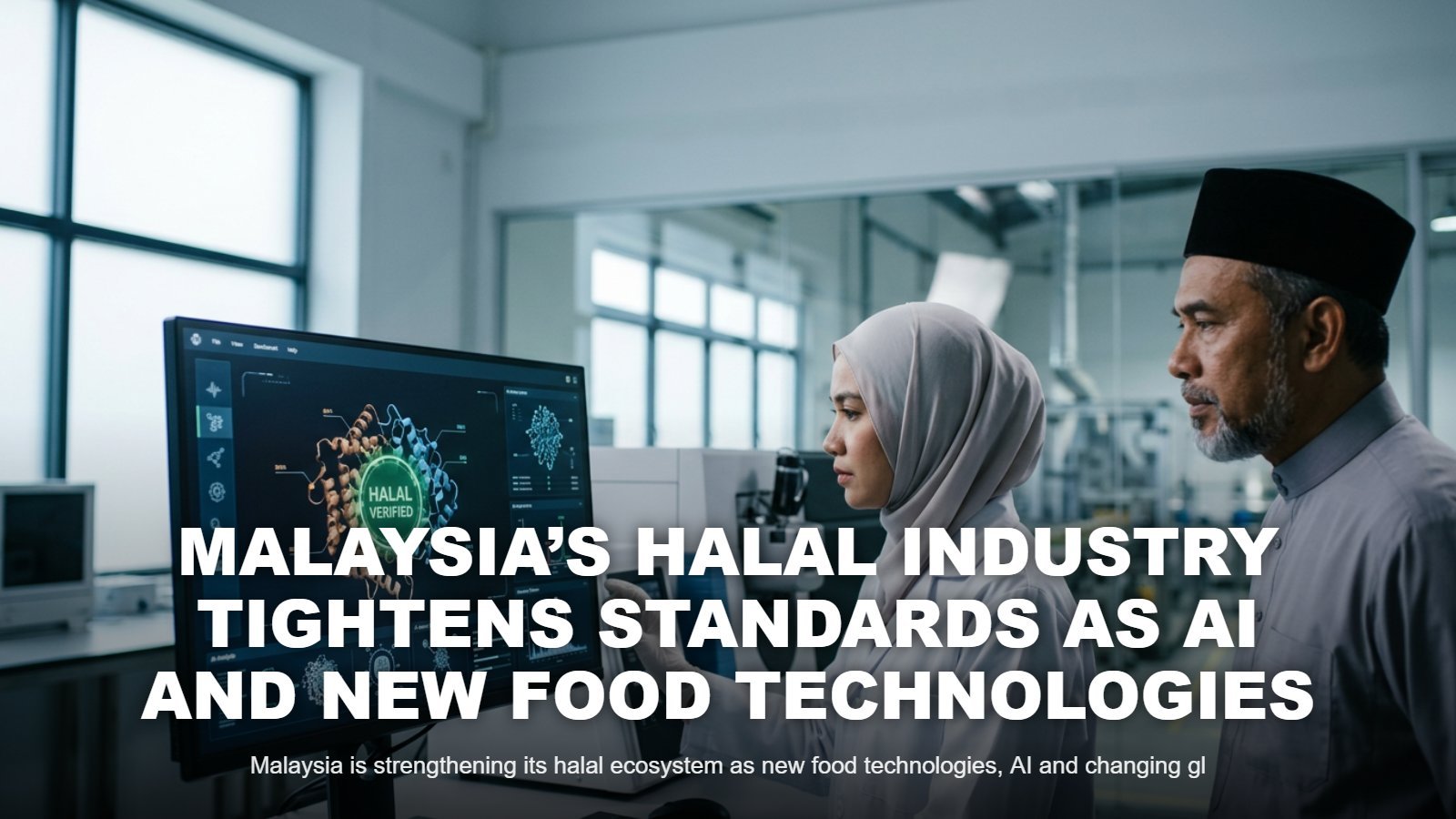
TL;DR — Malaysia is strengthening halal standards as AI, cultured meat and other new food technologies reshape certification, trade and the global halal industry.
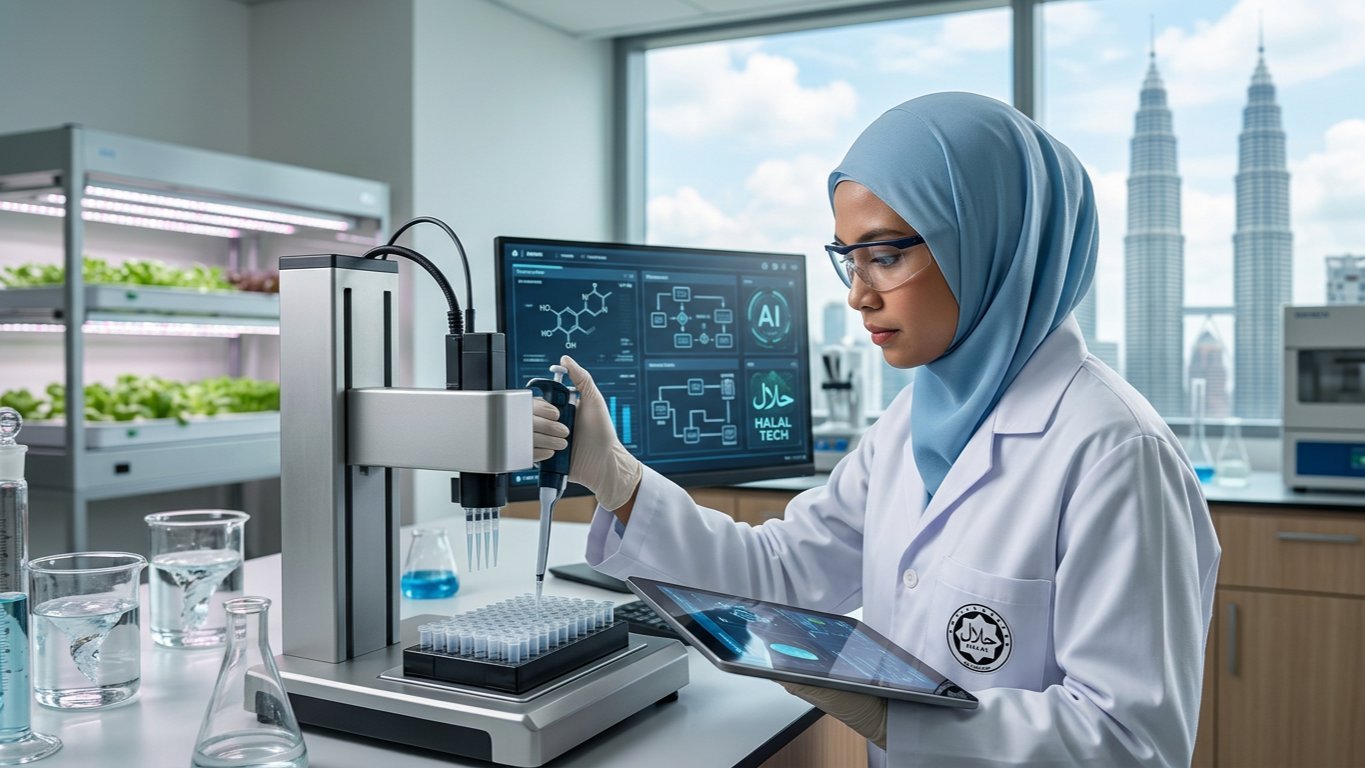
Malaysia’s Halal Industry Tightens Standards as AI and New Food Technologies Transform the Market
Malaysia’s halal industry is entering a new phase as emerging technologies and changing global regulations create new challenges for certification authorities, businesses and consumers. Issues including cultured meat, novel food technologies and artificial intelligence are expected to feature prominently in discussions at the Global Halal Summit 2026. The summit, led by the Department of Islamic Development Malaysia (JAKIM) and the Ministry of Investment, Trade and Industry (MITI), will bring halal authorities, certification bodies, academics and industry players together to address these developments.
New Food Technologies Create Fresh Halal Questions
Technological advances are changing how food and related products are developed. Cultured meat is one example that presents new questions about ingredients, production methods and halal compliance. Malaysia plans to use the Global Halal Summit as a platform to discuss contemporary Islamic jurisprudence, novel food technologies and international regulatory standardisation.
These discussions are becoming increasingly important as companies introduce products that may not fit easily into traditional certification frameworks.
AI Enters the Halal Ecosystem
AI is also becoming more visible across the halal economy, particularly in trade and business development. At MIHAS 2026, enhanced Agentic AI capabilities are expected to help visitors navigate the exhibition and connect Malaysian businesses with international partners. The wider halal industry is also exploring digital technologies to improve business processes and market access.
Malaysia Strengthens Halal Standardisation
Malaysia's National Standards Committee on Halal covers areas including halal food, management systems, cosmetics, pharmaceuticals, medical devices, consumer goods and conformity assessment. The committee includes agencies such as JAKIM, the Health Ministry, MITI, the Department of Veterinary Services and MATRADE, reflecting the broad regulatory requirements involved in the halal ecosystem.
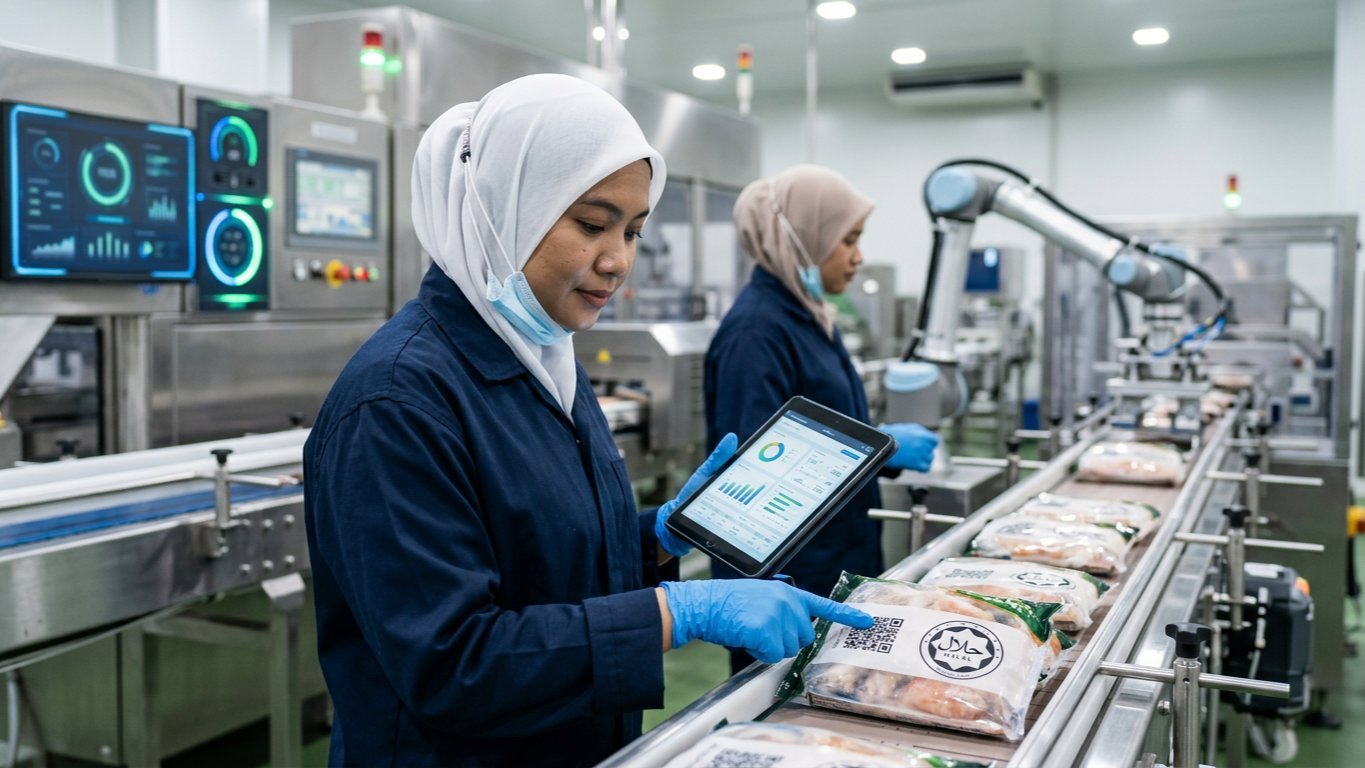
Digitalisation is also being used to improve certification processes. JAKIM's MyHALALINGREDIENTS system was introduced to collect and assess information on raw materials used by industry and integrate it with the existing MYeHALAL platform.
MIHAS 2026 Targets RM5 Billion in Sales
The push for stronger standards comes as Malaysia seeks to expand its position as a global halal trade hub.
MATRADE has increased its sales target for the 22nd Malaysia International Halal Showcase (MIHAS 2026) from RM4.5 billion to RM5 billion, citing strong interest from international buyers.
The showcase will form part of the wider Global Halal Summit programme, creating opportunities for Malaysian companies to reach international markets.
Malaysia Builds Talent for a Growing Halal Economy
Industry development is also focusing on people and professional expertise. Agrobank and Management and Science University recently signed an agreement aimed at developing halal industry talent and competency, with a target of reaching 5,000 knowledgeable and skilled industry players.
The combination of stronger standards, digitalisation and professional training is expected to help Malaysian businesses respond to increasingly complex global halal requirements.
Key Facts
Malaysia is addressing emerging halal issues including cultured meat and novel food technologies.
JAKIM and MITI are leading the Global Halal Summit 2026.
Malaysia's halal standards framework covers food, pharmaceuticals, cosmetics, consumer goods and conformity assessment.
MATRADE has raised the MIHAS 2026 sales target to RM5 billion.
AI and other digital technologies are increasingly being used across the halal trade ecosystem.
Agrobank and MSU are targeting 5,000 trained halal industry players through their latest collaboration.
What People Are Asking
Why is Malaysia reviewing halal standards?
New food technologies, evolving production methods and differences between international regulatory systems are creating new certification and standardisation challenges.
Can cultured meat be halal?
Its halal status depends on factors including the source of biological materials, production process and applicable Islamic rulings and certification requirements. The subject is among the emerging issues being discussed by Malaysia's halal authorities.
How is AI being used in Malaysia's halal industry?
AI is increasingly being applied to digital trade, business matching and other industry processes. MIHAS 2026, for example, is introducing enhanced Agentic AI capabilities to support exhibitors and buyers.
Why is Malaysia important to the global halal market?
Malaysia has developed a comprehensive halal certification and standards ecosystem and is using initiatives such as MIHAS and the Global Halal Summit to connect local businesses with international markets.