News
Malaysia Asthma Cases Surge 259% Amid Worsening Haze
By ExFunCity · 25 Aug 2026
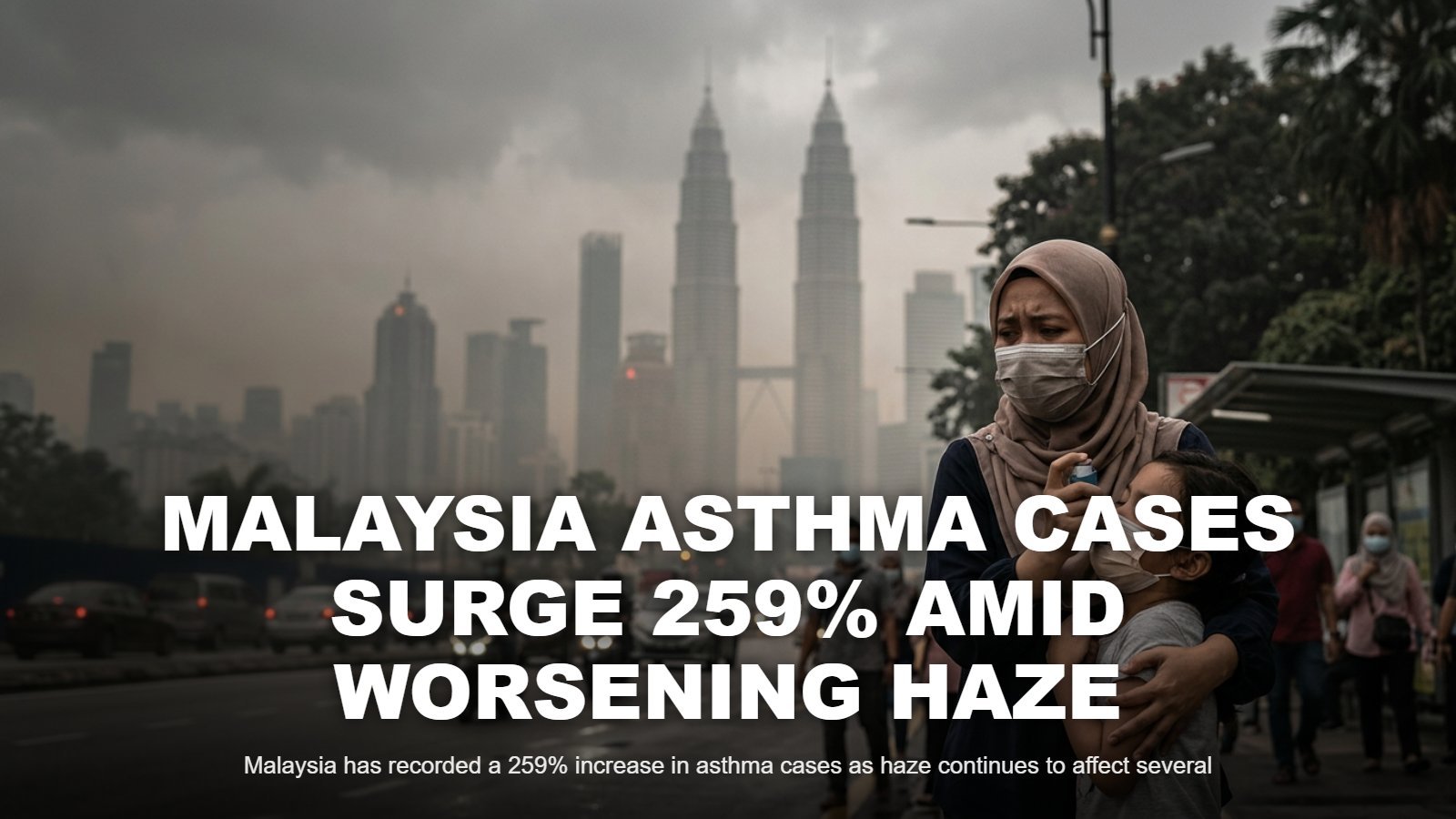
TL;DR — Asthma cases in Malaysia surged 259% between epidemiological weeks 32 and 33 as haze worsened. Here are the latest health and air-quality updates.
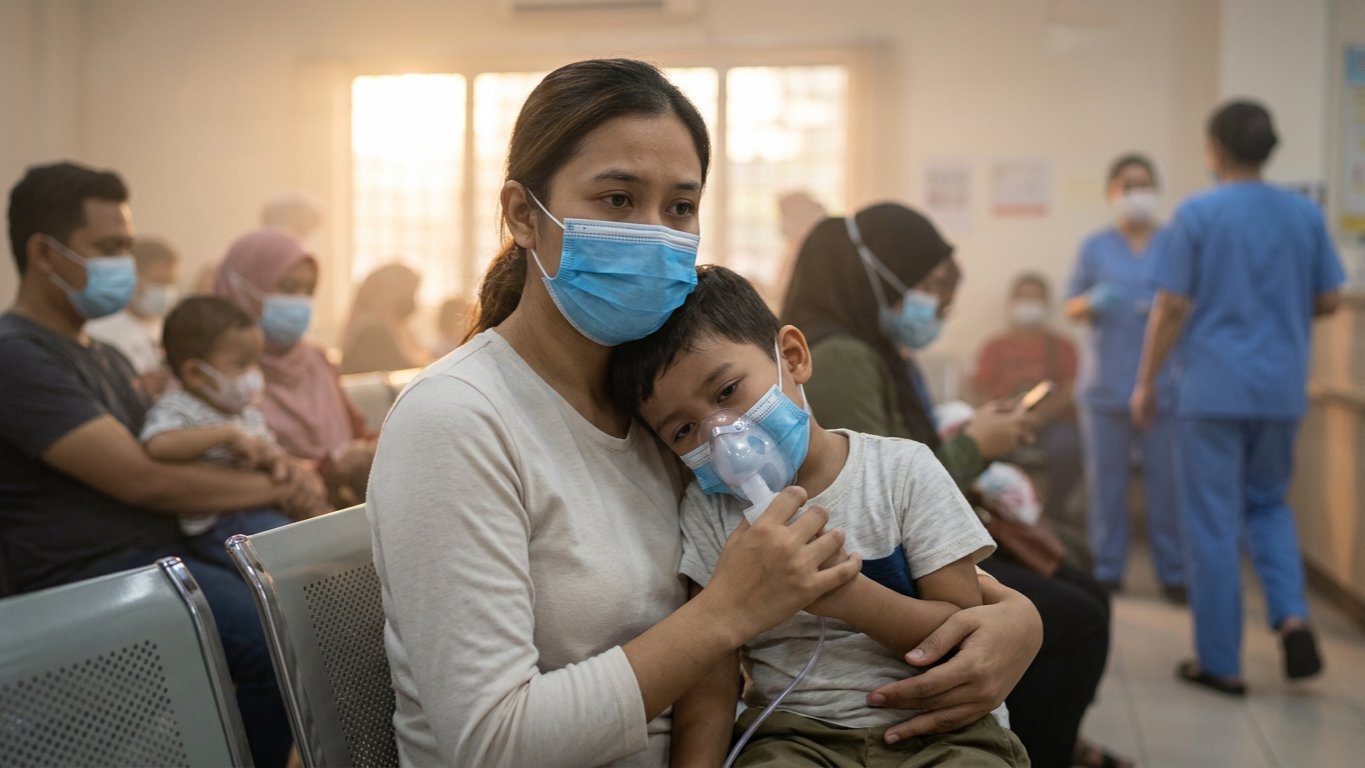 Malaysia Asthma Cases Surge 259% Amid Worsening Haze
Malaysia is facing growing health concerns as Malaysia asthma cases surged 259% during the latest epidemiological week amid worsening haze in several parts of the country. Health Minister Datuk Seri Dr Dzulkefly Ahmad said asthma cases increased from 61 to 219 between Epidemiological Weeks 32 and 33.
The rise comes as unhealthy air quality has been recorded across several Malaysian locations, particularly in Sarawak, Selangor, Kedah and Penang.
Asthma Cases Rise Alongside Respiratory Illnesses
Health Ministry data showed that asthma cases increased by 259% between EW32 and EW33.
Upper respiratory tract infection (URTI) cases also rose sharply, increasing by 124% from 1,637 to 3,674 cases. Conjunctivitis cases, however, decreased by 7%, from 157 to 146 cases.
The figures come as haze from regional forest and land fires continues to affect air quality in Malaysia.
Unhealthy Air Quality Recorded in Several Areas
On the morning of August 24, 10 Malaysian areas had recorded unhealthy Air Pollutant Index (API) readings.
Sarawak recorded some of the highest readings, with Serian at 194, Kuching at 176 and Samarahan at 172. Sri Aman recorded 158, while Bintulu recorded 125.
Other locations above the unhealthy threshold included Johan Setia and Kuala Selangor in Selangor, Sungai Petani and Alor Setar in Kedah, and Minden in Penang.
Under Malaysia's API classification, readings between 101 and 200 are considered unhealthy, while 201 to 300 are classified as very unhealthy.
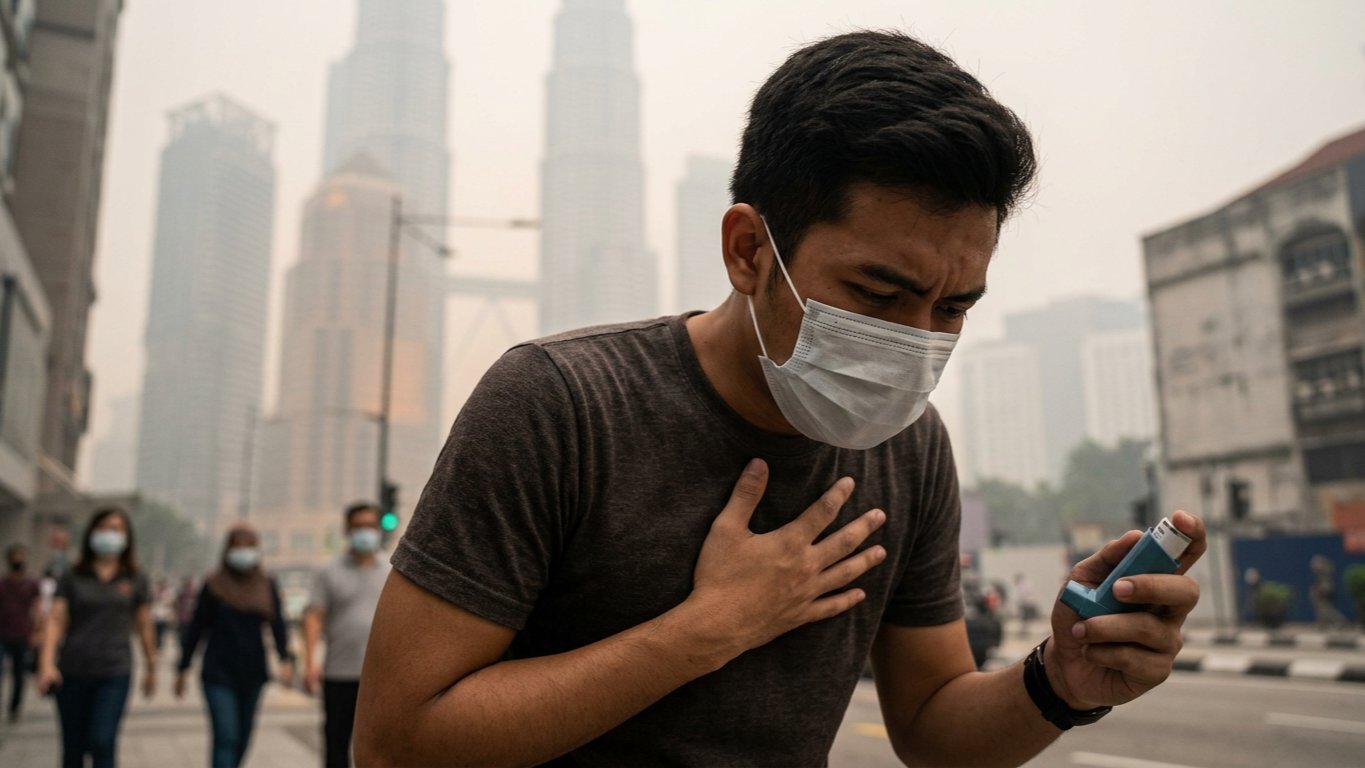 Why the Haze Is Affecting Malaysia
The current haze is linked to widespread forest and peatland fires in Indonesia. Smoke from affected areas in Sumatra and Borneo has crossed into neighbouring countries, including Malaysia and Brunei.
Indonesia has intensified ground and aerial firefighting operations, while Malaysia and Indonesia are also coordinating measures to reduce the impact of the transboundary haze.
Health Risks During Hazy Conditions
People with asthma and other respiratory conditions may be particularly vulnerable when air quality deteriorates.
Residents in affected areas should monitor official API readings and reduce unnecessary exposure to outdoor air when pollution levels are unhealthy. Anyone experiencing significant breathing difficulties or worsening respiratory symptoms should seek appropriate medical attention.
Malaysia Continues to Monitor the Situation
The latest health figures underline the wider impact of the haze beyond visibility and daily inconvenience.
With respiratory illnesses increasing and unhealthy API readings recorded across several states, authorities are continuing to monitor both air quality and related health conditions as regional firefighting efforts continue.
Key Facts
- Malaysia recorded a 259% increase in asthma cases between EW32 and EW33.
- Asia News
- Asthma cases increased from 61 to 219.
- URTI cases increased by 124%, reaching 3,674 cases.
- Ten areas recorded unhealthy API readings as of the morning of August 24.
- Serian recorded an API reading of 194, the highest among those 10 areas.
- Regional forest and land fires in Indonesia are contributing to the transboundary haze.
What People Are Asking
Why have Malaysia asthma cases increased?
The increase occurred during a period of worsening haze and unhealthy air quality in several parts of Malaysia.
Which Malaysian areas have unhealthy air quality?
Recent readings above the unhealthy threshold were recorded in parts of Sarawak, Selangor, Kedah and Penang.
What API level is considered unhealthy in Malaysia?
An API reading between 101 and 200 is classified as unhealthy. Readings from 201 to 300 are considered very unhealthy.
What should people do during the haze?
People should monitor official air-quality readings, limit unnecessary outdoor exposure when conditions are unhealthy and seek medical attention if respiratory symptoms become serious.