News
World Oceans Hit Record August Temperature as El Niño Raises Fresh Climate Concerns
By ExFunCity · 28 Aug 2026
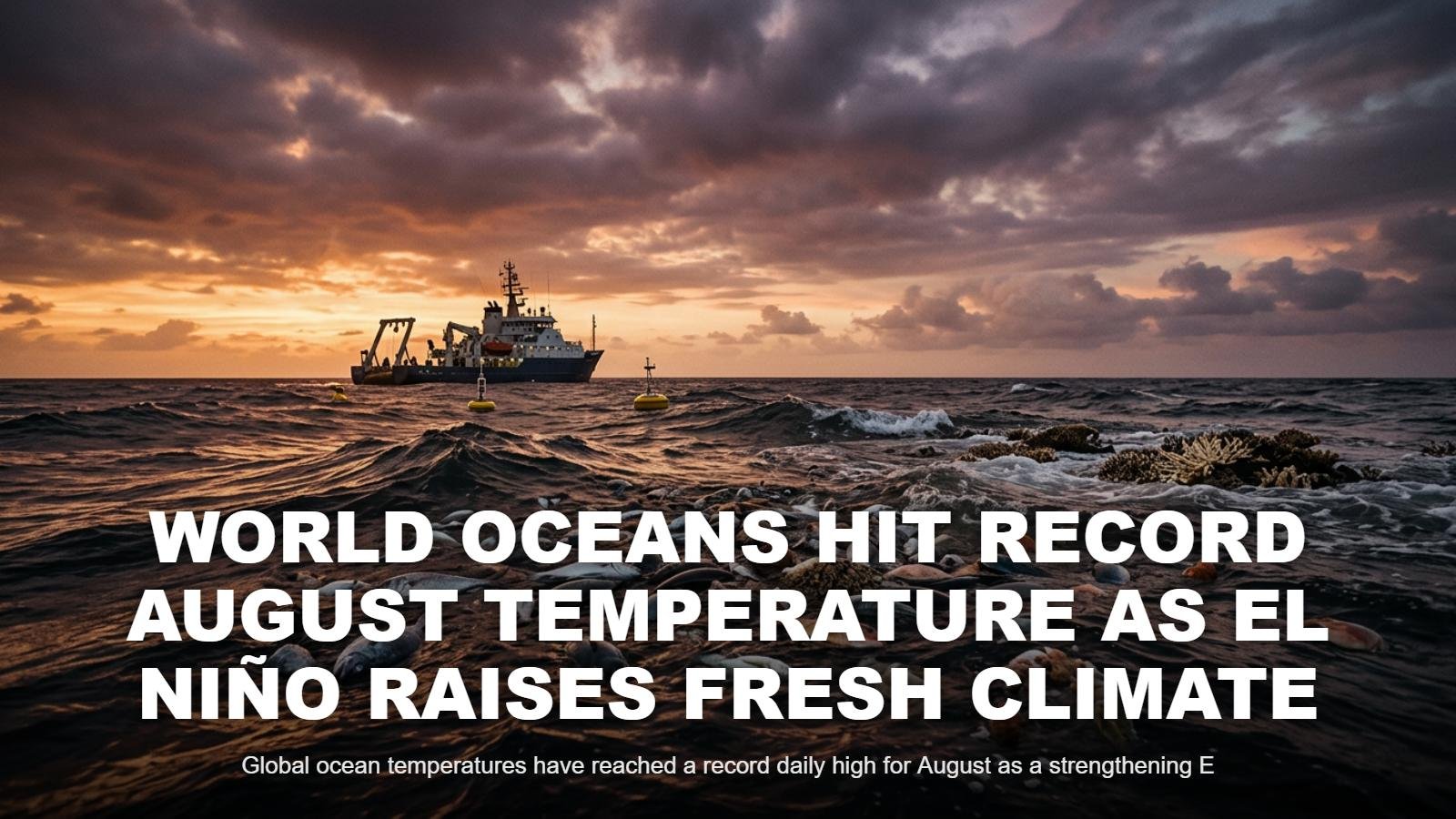
TL;DR — Global sea surface temperatures reached a record 21.1°C in August 2026 as a strengthening El Niño adds to unprecedented ocean heat and climate concerns.
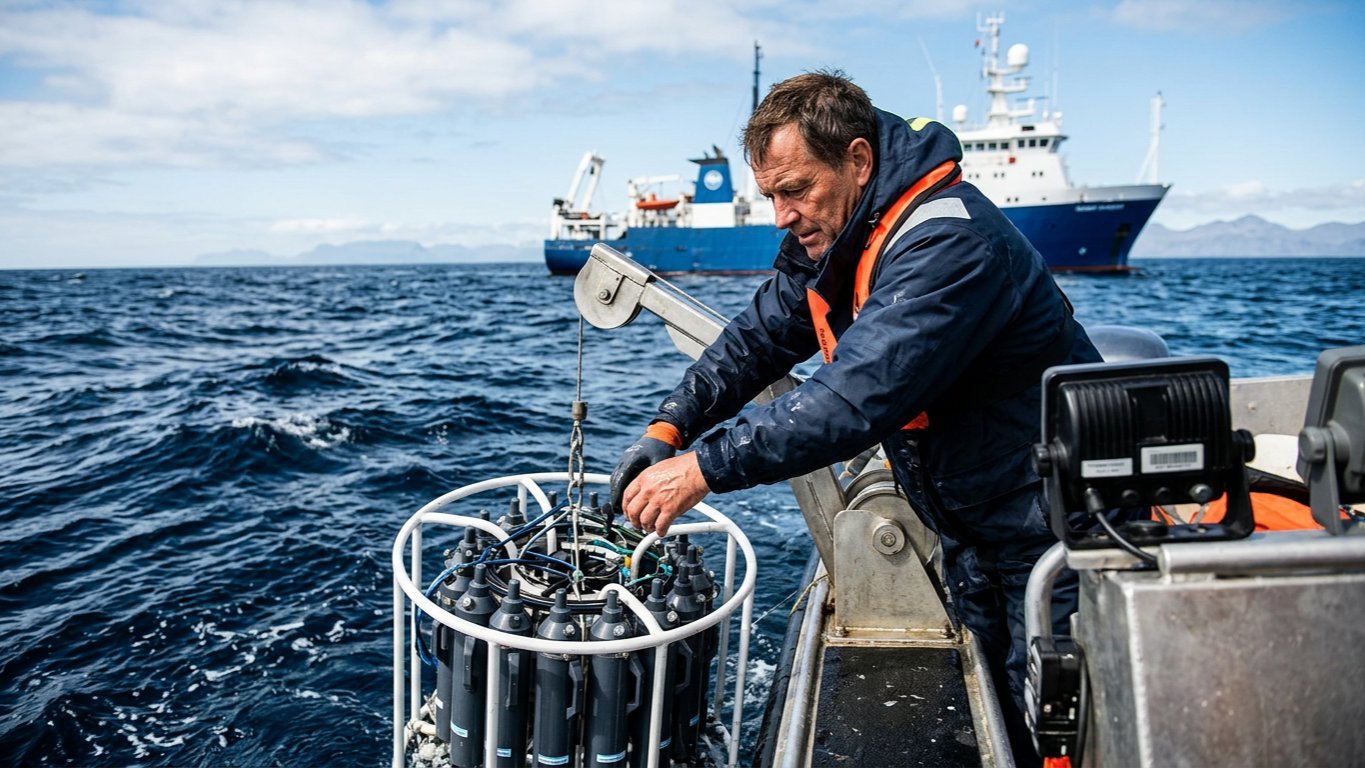
World Oceans Hit Record August Temperature as El Niño Raises Fresh Climate Concerns
The ocean temperature record 2026 has been broken again, with global sea surface temperatures reaching 21.1°C on August 22, according to the European Union's Copernicus Climate Change Service. The daily average, measured across the global ocean outside the polar regions, narrowly surpassed the previous record of 21.09°C set in March 2024.
The latest record is particularly significant because it occurred in August, when global ocean temperatures are normally below their annual peak.
Ocean Heat Reaches Unprecedented Level
Copernicus data shows that the August 22 reading was the highest daily global sea surface temperature recorded in its ERA5 dataset, which extends back to 1979. The previous August record was 20.98°C, recorded in 2023.
Scientists say the record reflects a combination of long-term human-driven warming and the additional influence of the developing El Niño.
Oceans absorb most of the excess heat generated by greenhouse gas emissions, making sea surface temperature an important indicator of changes in the global climate system.
El Niño Adds More Heat
The developing El Niño 2026 is expected to intensify during the coming months.
The World Meteorological Organization said in July that El Niño was expected to strengthen during August to October, with seasonal sea surface temperature anomalies in key Pacific monitoring regions potentially exceeding 2.9°C.
El Niño is a natural climate pattern involving unusually warm waters in the central and eastern tropical Pacific. However, its effects are occurring against a background of long-term global warming.
Why El Niño Matters
El Niño changes atmospheric circulation and can shift rainfall and temperature patterns around the world.
The WMO expects the current event to increase the likelihood of above-normal temperatures across much of the planet while raising the risk of drought in some regions and heavier rainfall in others.
Marine Heatwaves Put Ecosystems Under Pressure
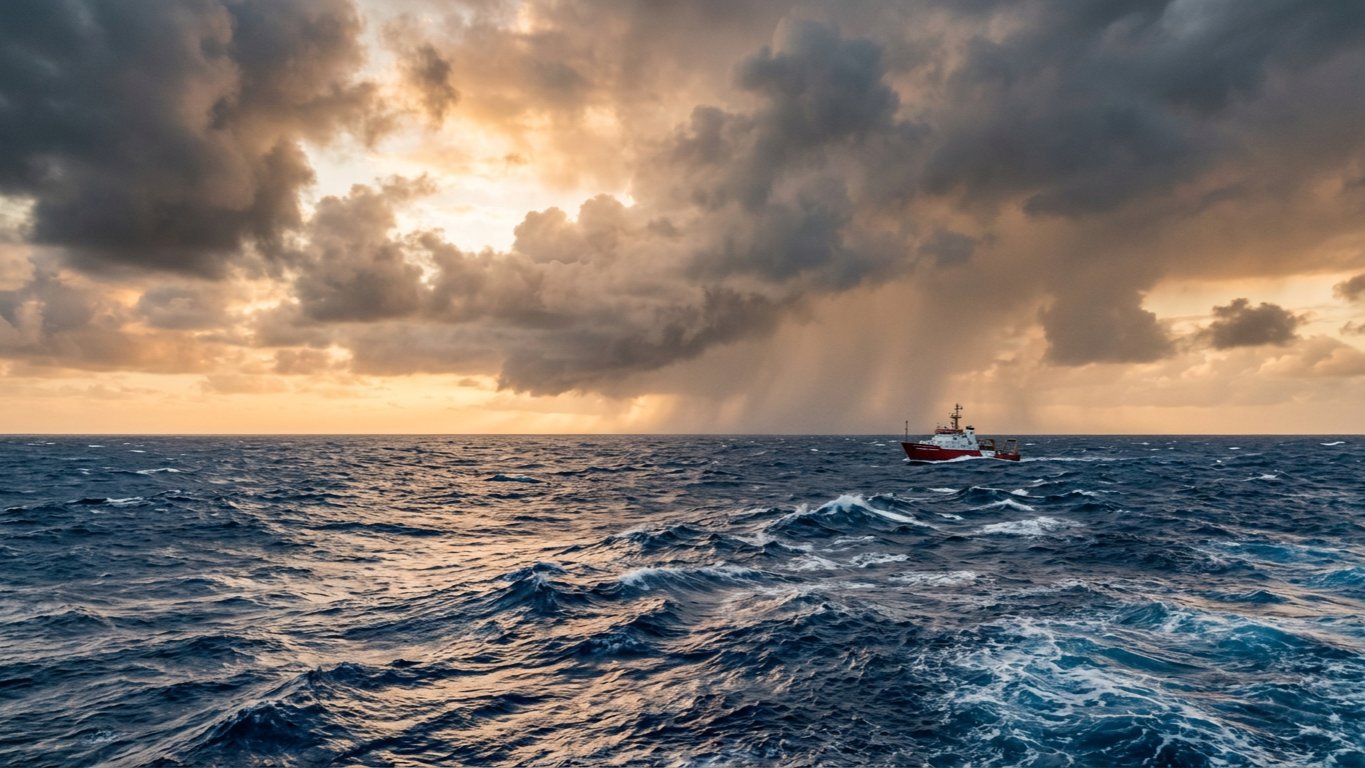
The record ocean temperature is also raising concerns for marine ecosystems.
Sustained marine heat can contribute to coral bleaching, disrupt fisheries and place additional stress on species that depend on specific temperature ranges. Recent reporting indicates that marine heatwaves currently cover a substantial portion of the world's oceans. Warmer oceans can also contribute to rising sea levels because seawater expands as it heats.
What It Could Mean for Southeast Asia
El Niño can have significant consequences for Southeast Asia, particularly through changes in rainfall.
The WMO's August-to-October outlook indicates a greater likelihood of drier-than-normal conditions in parts of the western Pacific region, while the broader El Niño pattern can increase drought and wildfire risks around the Indian Ocean basin.
For Malaysia and neighbouring countries, changes in rainfall can affect water resources, agriculture and fire conditions, although the exact local impact depends on other atmospheric and oceanic factors.
Climate Risks Could Increase Further
Forecasters are watching the current El Niño closely because some projections suggest it could become exceptionally strong. Reuters reported that international forecasters expect the event to intensify, with the UK Met Office warning of potentially unprecedented strength.
The ocean temperature record therefore represents more than a single unusually warm day. It is another indication that natural climate variability is now operating on top of a much warmer planet.
Key Facts
- Global sea surface temperatures reached 21.1°C on August 22, 2026.
- The previous daily record was 21.09°C, recorded in March 2024.
- Copernicus Climate Change Service
- The measurement covers the global ocean outside polar regions.
- A strong El Niño is expected to intensify during August–October 2026.
- Ocean warming can contribute to marine heatwaves, coral stress and rising sea levels.
- El Niño can alter rainfall and temperature patterns across Southeast Asia and other regions.
What People Are Asking
Why are ocean temperatures so high in 2026?
The record reflects long-term human-driven warming combined with the additional warming influence of the developing El Niño.
What is El Niño?
El Niño is a recurring climate pattern caused by unusually warm ocean conditions in the central and eastern tropical Pacific. It can influence weather patterns far beyond the Pacific.
Could El Niño affect Malaysia?
Yes. El Niño can influence rainfall patterns in Southeast Asia and may increase the risk of drier conditions and related wildfire or haze risks in parts of the region. However, local impacts vary depending on the strength and interaction of other climate patterns.
Why does ocean temperature matter?
The oceans store enormous amounts of heat and influence weather, sea levels and marine ecosystems. Persistent warming can increase stress on coral reefs and other marine environments while contributing to wider climate changes.