Sports
RM250 Million Annual Budget Needed: Expert Outlines Blueprint for Malaysian Football Overhaul
By ExFunCity News Desk · 22 Jul 2026
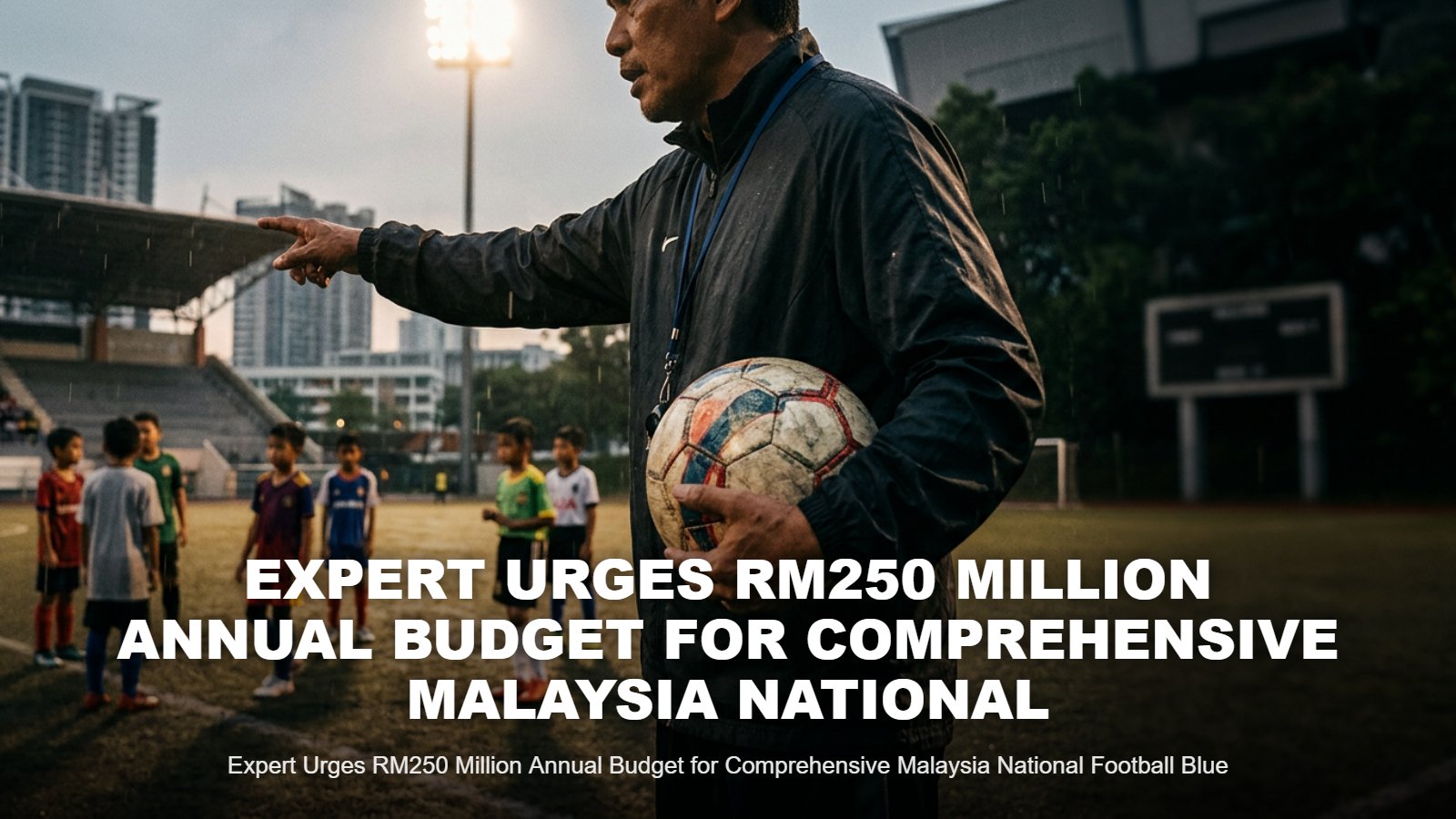
TL;DR — Experts urge a comprehensive national football blueprint with a RM250 million annual budget to resolve structural flaws in Malaysian football and domestic leagues.
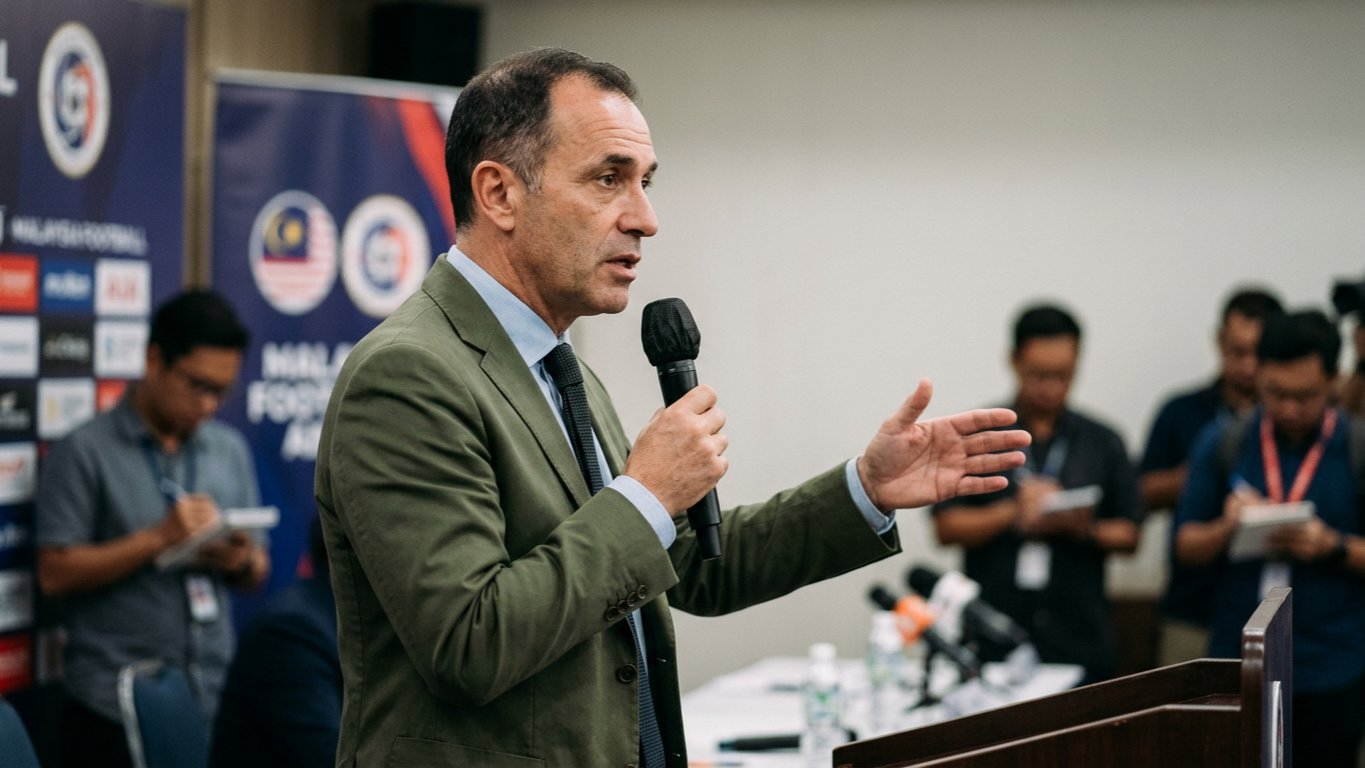 Expert Urges RM250 Million Annual Budget for Comprehensive Malaysia National Football Blueprint
Malaysia must resolve fundamental flaws in its grassroots and domestic sports structure before entertaining ambitions of qualifying for or hosting mega tournaments, according to senior sports science analyst Sadek Mustaffa. To achieve sustainable success, experts stress that a comprehensive Malaysia national football blueprint RM250m annual investment model is urgently needed to transform youth academies, state competitions, and professional league governance.
The call comes amid national discussions regarding long-term sports strategy and the nation's readiness to compete on the global stage.
Addressing Deep-Rooted Weaknesses in Grassroots Development
The immediate focus for Malaysian sports administrators must pivot away from short-term senior national team results and toward structural overhaul. Establishing an elite talent pathway requires continuous financial support at every competitive tier.
- Primary Education Level: Systematic talent scouting integrated into national primary and secondary school sports programmes.
- State Academies: Modernising training facilities and certified coaching staff across all 14 states.
- Age-Group National Squads: Ensuring consistent international exposure across Under-17, Under-19, and Under-23 age groups in Asian Football Confederation (AFC) tournaments.
"Building a credible football ecosystem requires consistent funding of at least RM250 million annually. Without fixing the grassroots foundation, ambitious targets remain out of reach," noted Sadek Mustaffa during a sports forum.
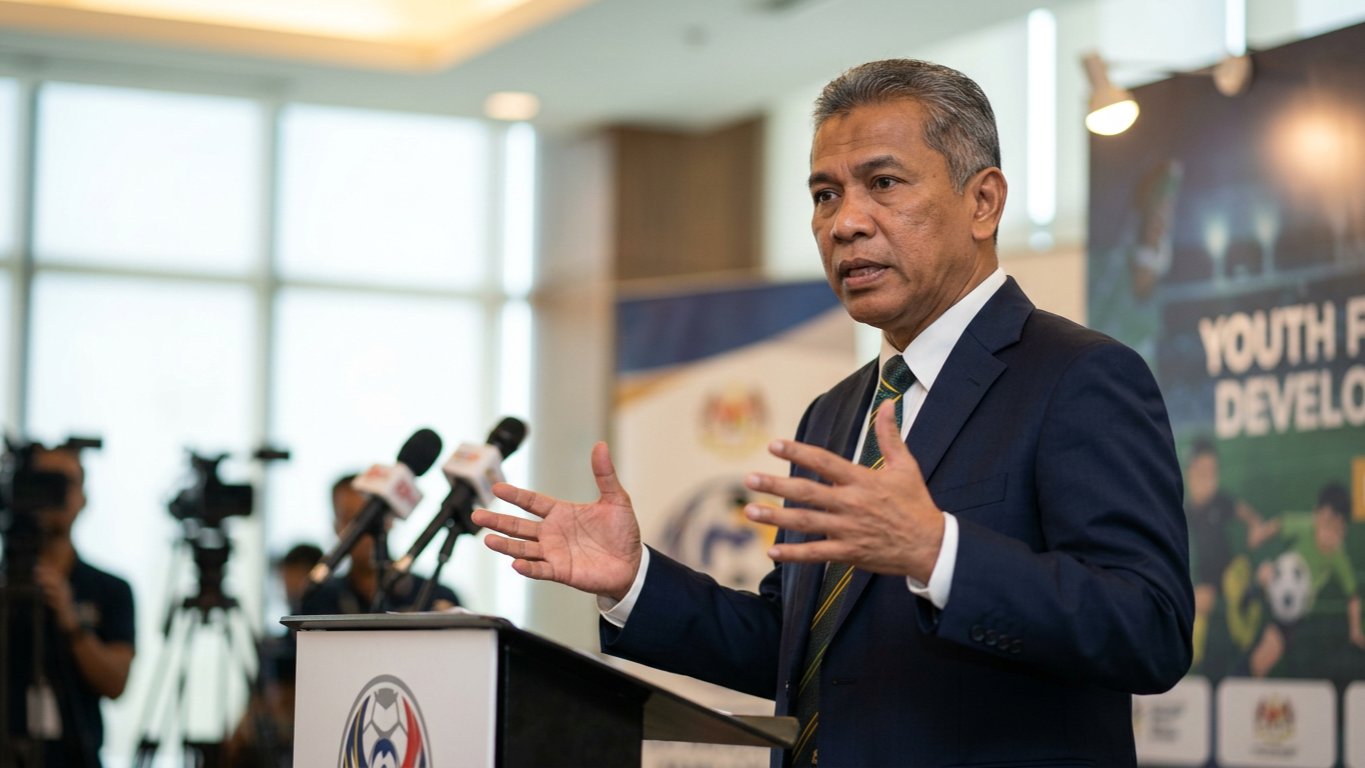 Resolving Governance and Domestic League Instability
Beyond talent development, Malaysia's domestic football environment faces ongoing operational hurdles. Unpaid player wages, financial insolvency among regional clubs, and a lack of competitive balance in the Malaysia Super League continue to undermine national progress.
Financial Integrity and Club Licensing
To build a sustainable industry, regulatory bodies must enforce strict financial fair play rules. Clubs need clear commercial revenue streams rather than sole reliance on state government subsidies or individual benefactors.
Further details on domestic football administration can be reviewed via official updates Football Association of Malaysia Financial Governance.
Long-Term Vision: Realistic Milestones for World Cup Ambitions
While hosting a FIFA World Cup requires world-class transport, medical, and stadium infrastructure, performance on the pitch remains the core benchmark. Experts outline a 15-year strategic timeline focused on regional dominance first.
- Phase 1 (Years 1–5): Establish top-tier ranking within Southeast Asia (ASEAN).
- Phase 2 (Years 6–10): Consistently qualify for AFC Asian Cup knockout rounds.
- Phase 3 (Years 11–15): Compete for final-round FIFA World Cup qualification spots.
Key Facts
- An estimated annual investment of RM250 million is required to sustain a complete national football development ecosystem.
- The proposed blueprint covers development across school programmes, youth academies, state competitions, and elite leagues.
- Analysts project a minimum 15-year timeline of continuous structural work before Malaysia can realistically target World Cup qualification.
- Domestic reforms must prioritize resolving player salary arrears and creating a balanced Malaysia Super League.
What People Are Asking
How much funding does Malaysian football need annually for complete reform?
Sports science experts estimate that at least RM250 million per year in sustained funding is necessary to overhaul grassroots academies, state competitions, and national youth teams.
Can Malaysia realistically qualify for or host the FIFA World Cup soon?
Analysts indicate that hosting or qualifying for the World Cup is unrealistic in the short term. Malaysia must first establish dominance in ASEAN, stabilize domestic league finances, and build top-tier infrastructure over a 15-to-25-year period.
What are the main issues facing domestic Malaysian football clubs?
The primary challenges include financial instability, delayed player wage payments, over-reliance on state funding, and lack of competitive balance within the top-flight league.