News
Malaysia PM Term Limit and AG-PP Separation Bills Could Return to Parliament
By ExFunCity · 9 Sep 2026

TL;DR — DAP wants Malaysia’s 10-year PM term limit and AG-Public Prosecutor separation Bills tabled again during the October–December Parliament sitting.
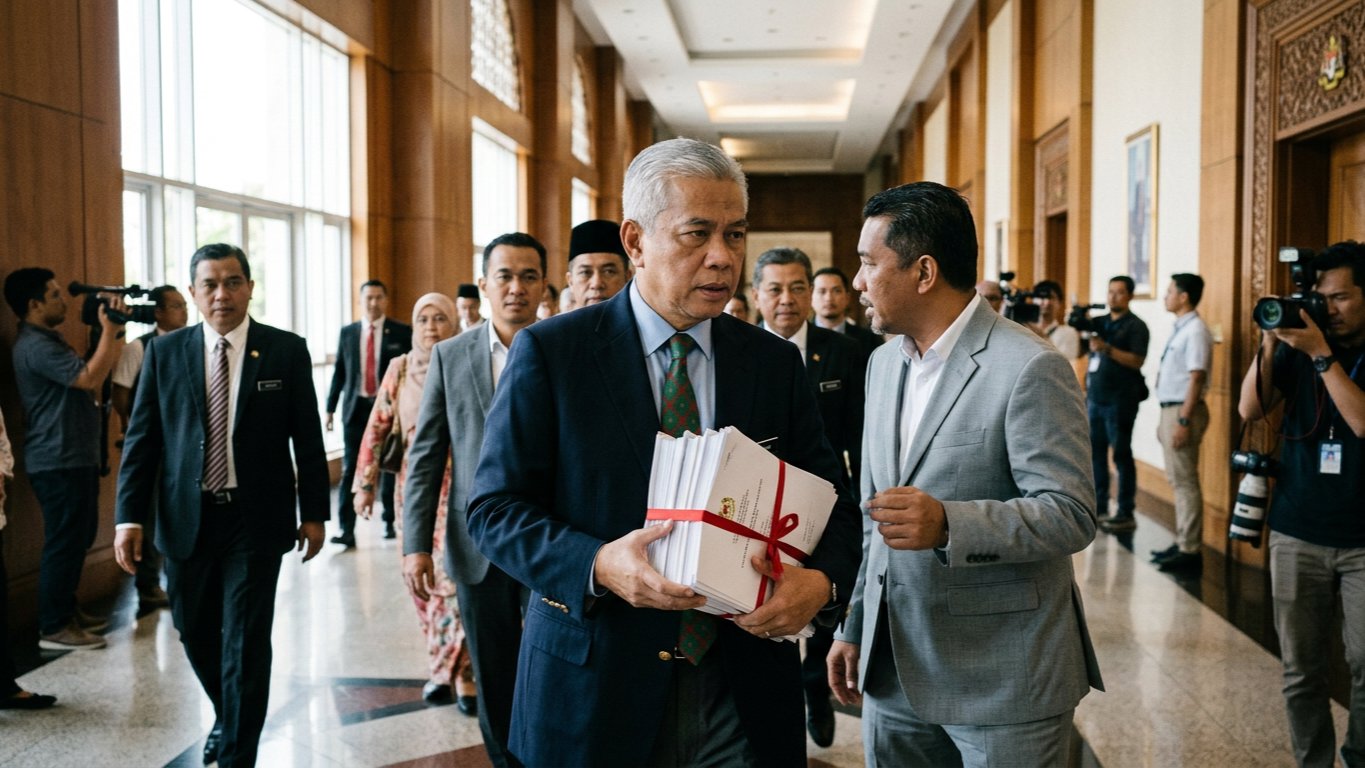 Malaysia Prime Minister Term Limit and AG-PP Separation Bills Could Return to Parliament
The proposed Malaysia prime minister term limit is back in focus after DAP called for two major constitutional reform Bills to be tabled during the next Dewan Rakyat sitting. The proposals involve limiting a prime minister’s tenure to 10 years and separating the roles of the Attorney General and Public Prosecutor.
DAP chairman Gobind Singh Deo said both draft Bills are ready and should be brought back when Parliament sits from 5 October to 8 December 2026.
10-Year Prime Minister Term Limit Proposed
The proposed constitutional amendment would prevent any individual from serving as Malaysia’s prime minister for more than 10 years.
The measure was previously put to a vote in the Dewan Rakyat but failed to secure the required two-thirds majority. It received 146 votes in favour, two short of the 148 votes needed.
Minister in the Prime Minister’s Department for Law and Institutional Reform Datuk Seri Azalina Othman Said has previously listed the PM term limit as one of the government’s key institutional reform priorities.
The proposal is intended to strengthen accountability by placing a clear constitutional limit on how long one person can hold the country’s highest executive office.
Attorney General and Public Prosecutor Roles May Be Split
The second major proposal would separate the Attorney General’s role as the government’s legal adviser from the Public Prosecutor’s responsibility for criminal prosecutions.
Currently, both functions are linked under the Attorney General’s office.
Supporters of the reform argue that separating the two roles could improve transparency, strengthen checks and balances, and create a more independent prosecution system.
Under proposals discussed earlier in 2026, the Public Prosecutor could be appointed by the Yang di-Pertuan Agong through a process involving the Judicial and Legal Service Commission, without direct involvement from the Prime Minister or Cabinet.
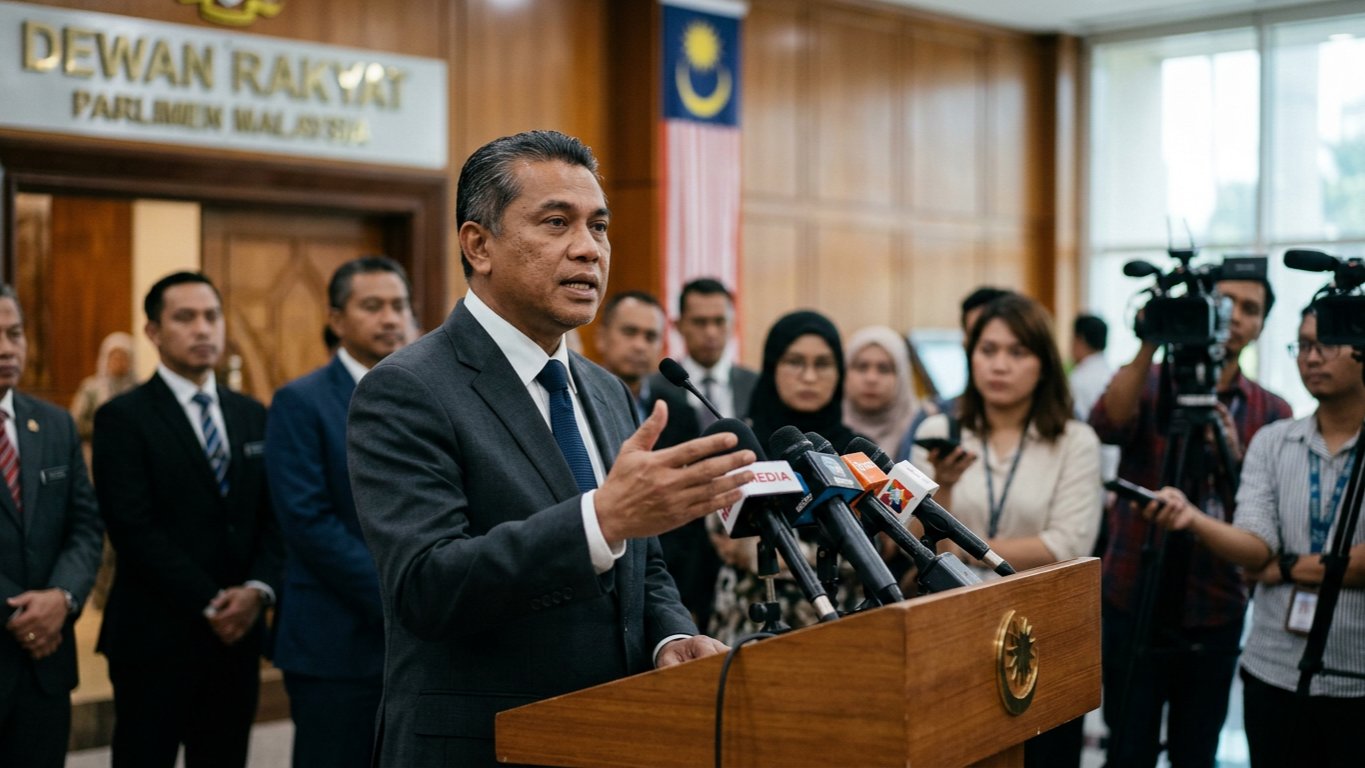 Why the Bills Need Strong Parliamentary Support
Both proposals involve changes to the Federal Constitution, which means they require a two-thirds majority in the Dewan Rakyat.
This threshold has already proved difficult for the prime minister term-limit Bill.
Gobind said the proposal should be refined before its second reading, while the revised AG-Public Prosecutor proposal has undergone further scrutiny through a parliamentary special select committee.
The government will therefore need sufficient support from MPs across its parliamentary bloc, and potentially beyond it, if the amendments are to pass.
Institutional Reform Remains a Government Priority
The proposed changes form part of a broader institutional reform agenda that also includes measures related to freedom of information, the Ombudsman framework and government accountability.
DAP secretary-general Anthony Loke has also said the unity government should use the remainder of its term to complete reforms that have already been agreed upon.
Key Facts
- DAP wants both constitutional reform Bills tabled between 5 October and 8 December 2026.
- The PM term-limit proposal would cap service at 10 years.
- The earlier vote received 146 votes, two short of the required threshold.
- Constitutional amendments require a two-thirds majority.
- The second Bill would separate the Attorney General and Public Prosecutor roles.
- Proposed reforms aim to reduce political influence and strengthen institutional accountability.
What People Are Asking
Will Malaysia introduce a 10-year prime minister term limit?
The proposal is not law yet. It must be passed as a constitutional amendment with a two-thirds majority in Parliament.
Why separate the Attorney General and Public Prosecutor?
Supporters argue that separating legal advice to the government from criminal prosecution could strengthen independence, transparency and accountability.
When could the Bills return to Parliament?
DAP is pushing for both Bills to be tabled during the Dewan Rakyat sitting running from 5 October to 8 December 2026.