News
Over 76,000 Wildlife Conflict Complaints Filed in Malaysia Since 2021 as Losses Hit RM58.7 Million
By ExFunCity · 14 Jun 2026
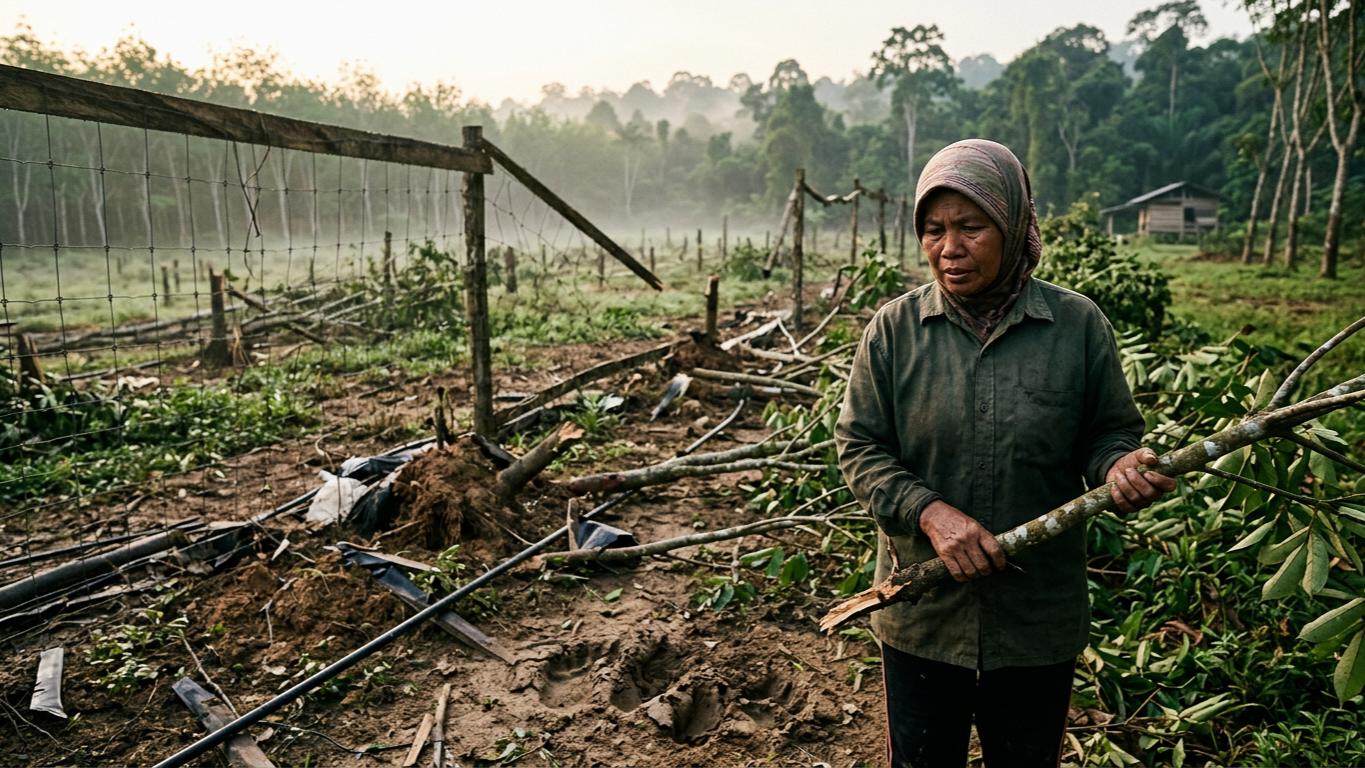
TL;DR — Wildlife conflict complaints in Malaysia have reached 76,361 since 2021, with total losses hitting RM58.7 million due to habitat loss and urban expansion.
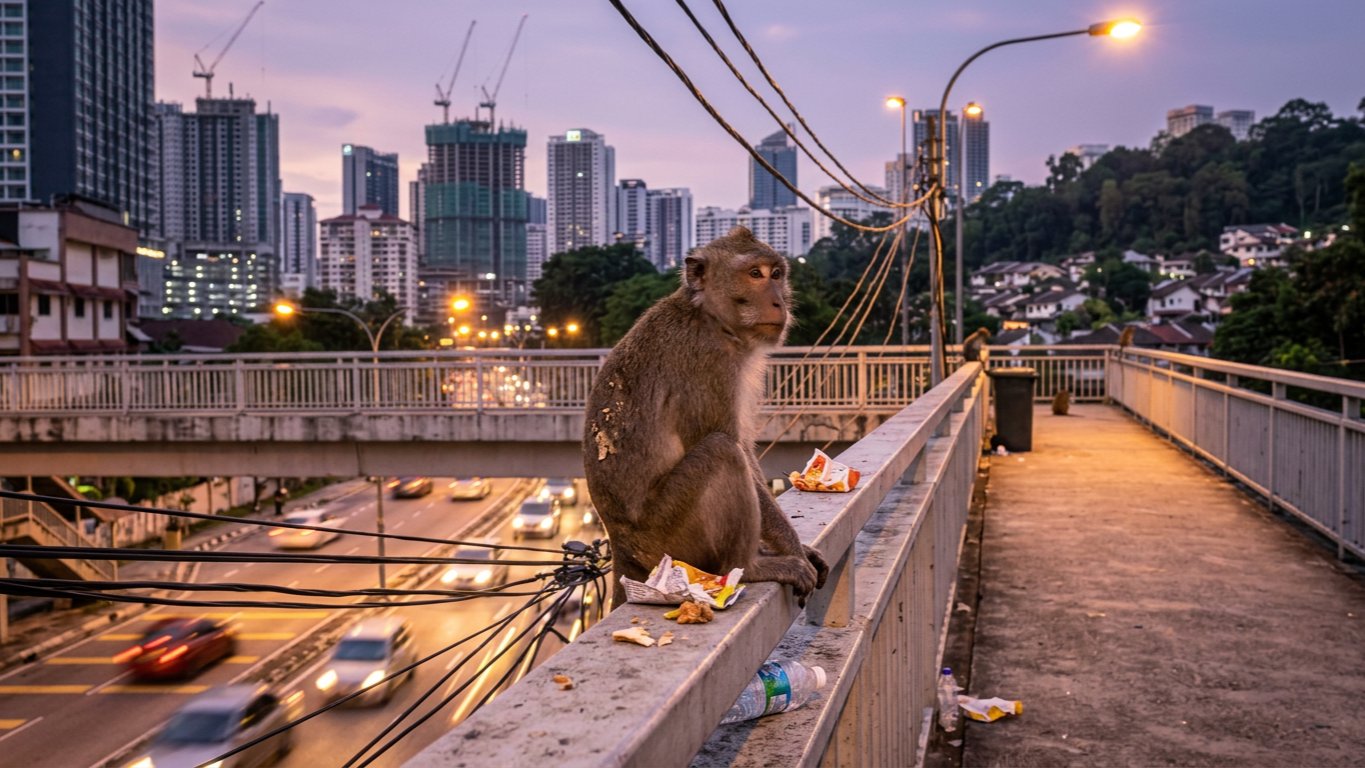 Over 76,000 Wildlife Conflict Complaints Filed in Malaysia Since 2021 as Losses Hit RM58.7 Million
The surge in wildlife conflict complaints Malaysia continues to be a growing national concern, reflecting the escalating tension between rapid urban development and wildlife habitats. Between 2021 and May 2026, the nation recorded an alarming total of 76,361 human-wildlife conflict incidents. These encounters have not only posed severe risks to public safety but have also resulted in estimated agricultural and property losses amounting to RM58.7 million nationwide.
According to the Natural Resources and Environmental Sustainability Ministry, this worrying trend requires urgent intervention to protect both human settlements and the country's biodiversity.
The Financial and Safety Impact of Wildlife Encroachment
The volume of wildlife conflict complaints highlights a widespread issue affecting multiple states. Johor emerged as one of the hardest-hit regions, reporting 9,063 complaints and suffering losses of RM7.5 million within the same period.
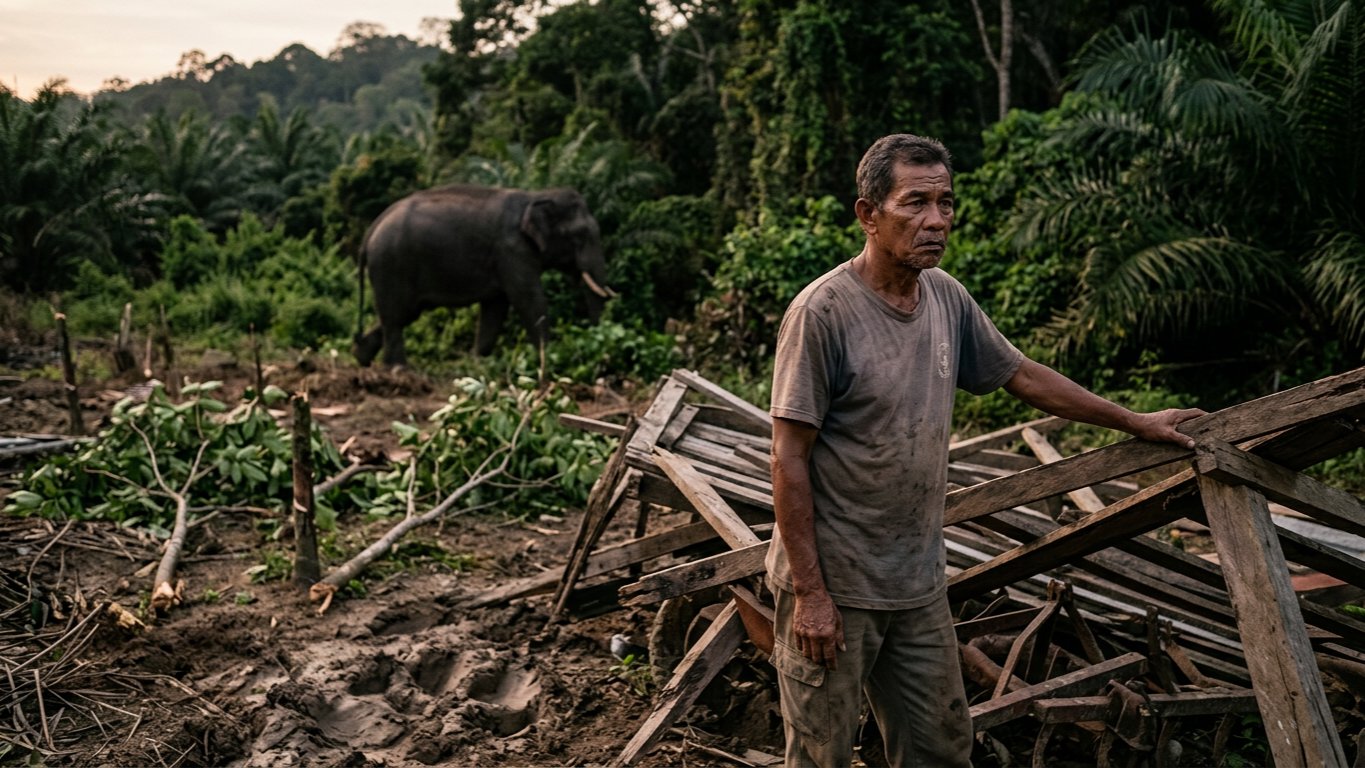
These incidents frequently involve macaques, wild boars, tapirs, Malayan tigers, and wild elephants venturing into plantations, farms, and residential areas. The damage is extensive, often leading to destroyed crops, damaged linear infrastructure, and in severe cases, injuries or loss of human life. Authorities have distributed Wildlife Attack Damage Assistance to affected residents to help alleviate the financial burden.
What is Driving Animals into Urban Areas?
The primary catalyst for the drastic increase in human-wildlife conflicts is severe habitat loss. Natural ecosystems are shrinking at an unprecedented rate, forcing wildlife to forage closer to human populations.
Key drivers of this habitat loss include:
- Land-use changes for large-scale agriculture and plantations.
- The construction of linear infrastructure such as highways, dams, and electrified double-track railways.
- Rapid expansion of human settlements and urban zones into traditional forest buffer areas.
- Poor food waste management in residential areas, which attracts opportunistic feeders like wild boars and macaques.
For instance, wild elephants require extensive roaming areas of up to 250 square kilometres. When these ancient migration routes are cut off by development, the animals inevitably cross paths with human activities.
 Government Initiatives and Mitigation Strategies
To combat the rising number of wildlife conflict complaints Malaysia faces, the government has implemented several large-scale mitigation efforts. Collaborative operations involving the Department of Wildlife and National Parks (PERHILITAN), state governments, and transport ministries are currently underway.
Elephant Conservation Efforts
The implementation of the National Elephant Conservation Action Plan (NECAP) remains a top priority. The establishment of the National Elephant Conservation Centre (NECC) in Lanchang, Pahang, and the development of new elephant sanctuaries are crucial steps in managing displaced herds. Furthermore, the installation of elephant electric fencing systems around traditional farming areas has proven effective in deterring herds from entering crop zones.
Railway Safety Collaborations
To prevent uncontrolled wildlife crossings and reduce fatal roadkill incidents, special committees are coordinating with the Railway Assets Corporation. Their focus is to secure hotspots along the Gemas-Johor Bahru Electrified Double-Track Railway, ensuring safe passage for animals without disrupting transport networks.
Key Facts
- A total of 76,361 human-wildlife conflict complaints were recorded in Malaysia from 2021 to May 2026.
- Total nationwide losses due to property and crop damage have reached RM58.7 million.
- Johor recorded 9,063 complaints with RM7.5 million in financial losses.
- Macaques account for the vast majority of urban wildlife complaints, largely driven by poor waste management and public feeding.
What People Are Asking
Why are wildlife attacks increasing in Malaysia?
Wildlife incidents are increasing primarily due to habitat loss and fragmentation caused by deforestation, agricultural expansion, and urban development. As natural food sources shrink, animals are forced to search for food in human settlements.
How to file a wildlife complaint to PERHILITAN?
The public can report wildlife disturbances by contacting the PERHILITAN hotline at 1-800-88-5151, calling the nearest state PERHILITAN office, or submitting a report through the e-Aduan system on the official PERHILITAN website.
Is it safe to feed wild monkeys in Malaysia?
No. Feeding monkeys alters their natural behaviour, making them reliant on humans for food. This reduces their fear of humans and often leads to aggressive behaviour when food is withheld, compounding the human-wildlife conflict issue.