News
War Overtakes Civil Unrest as the Number One Threat to Global Businesses
By ExFunCity · 19 May 2026
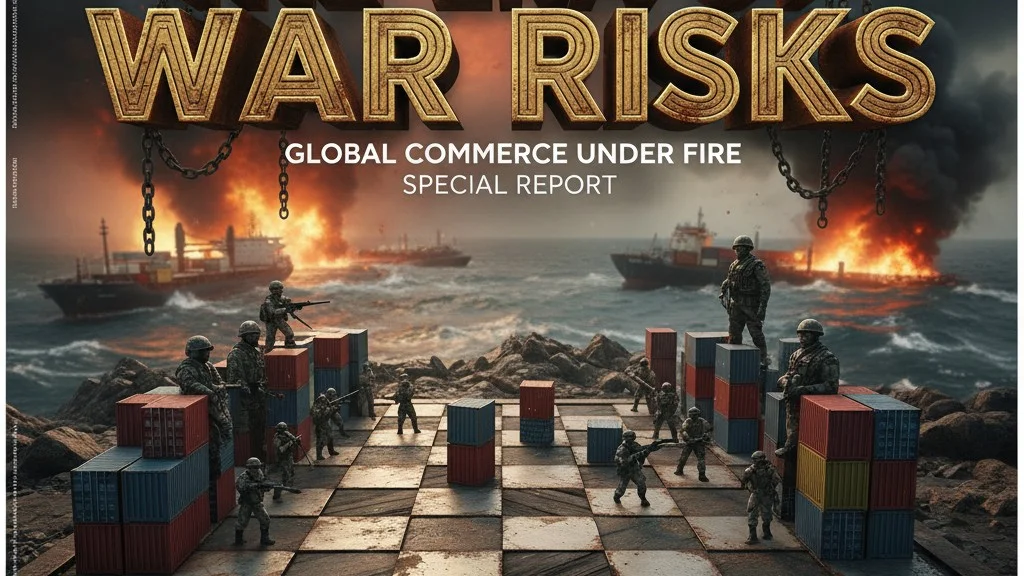
TL;DR — The annual Allianz Risk Barometer 2026 shows political violence hitting an all-time high at rank #7, with war as the most feared threat by global companies.
 War Overtakes Civil Unrest as the Number One Political Violence Threat for Global Businesses
The global business landscape has reached a dangerous turning point. For the first time in recent history, international corporations are more worried about full-scale war and armed conflict than local civil unrest or protests. A newly released global corporate risk report highlights how ongoing battles in Europe and the Middle East have completely redrawn boardroom calculations for the year ahead.
Political Violence Hits a Historic High on the Risk Playbook
According to the newly published Allianz Risk Barometer 2026, which surveyed over 3,300 risk management experts from 97 countries, "Political Risks and Violence" has climbed to the number 7 spot globally. This is the highest position the category has ever held since the annual survey began.
The main driver behind this sudden jump is the direct fear of war. In a companion trends report, a staggering 53% of all global respondents named armed conflict as the specific political violence exposure they fear the most, officially pushing civil unrest out of the top spot.
Breakdown of Top Political Corporate Fears:
- Armed Conflict / War: 53% of global respondents (Rank #1)
- Civil Unrest (Strikes, Riots, Commotions): 49% of global respondents (Rank #2)
- Terrorism and Sabotage: 46% of global respondents (Rank #3)
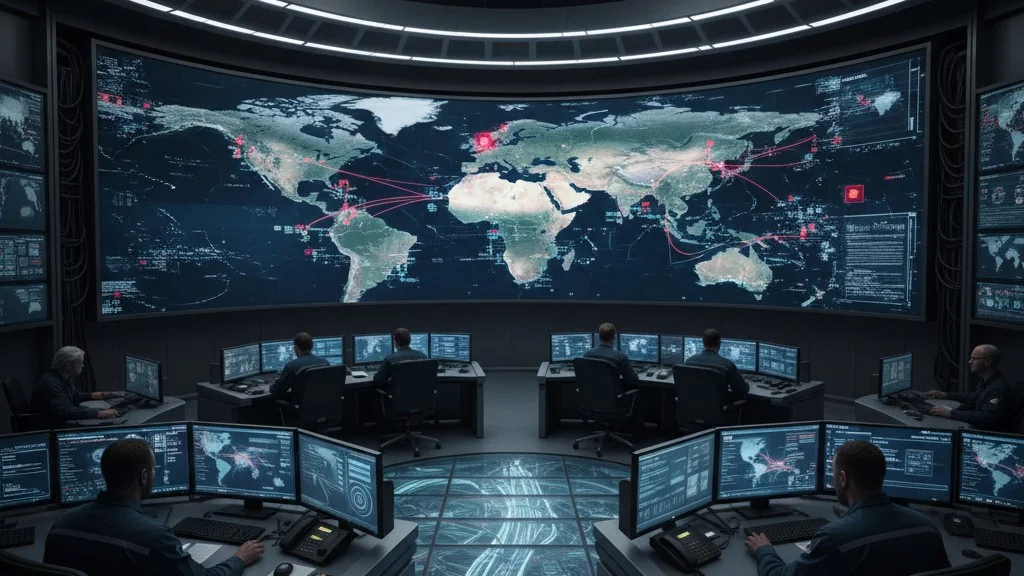 Supply Chains and Digital Infrastructure Face Critical Vulnerability
The shift in concern comes as modern conflicts cause severe damage to international commerce. Businesses impacted by ongoing armed conflicts are facing extreme challenges, including sudden loss of market access and severe physical supply chain paralysis.
Furthermore, corporate leaders are deeply worried about state-sponsored sabotage. Over the past 18 months, there has been a sharp increase in targeted, malicious attacks against critical infrastructure, such as undersea data cables, carried out by advanced digital threat actors. Experts warn that even before recent escalations, business asset exposure to conflicts had surged by over 20% in the last five years.
Regional Realities: Asia-Pacific and Europe on High Alert
The fear of war is even more intense when looking at specific geographic regions. In both Europe and the Asia-Pacific region, the percentage of business leaders flagging armed conflict as their primary concern jumps to around 60%.
While local domestic tensions predominate in Asian markets outside of the Middle East, the risk of localized unrest escalating into a broader conflict keeps corporate insurers on high alert. For example, recent severe unrest in regional markets like Indonesia resulted in more than USD 50 million in insured losses, proving that local disruptions still carry a heavy financial punch.
How International Corporations Are Reacting to Secure Survival
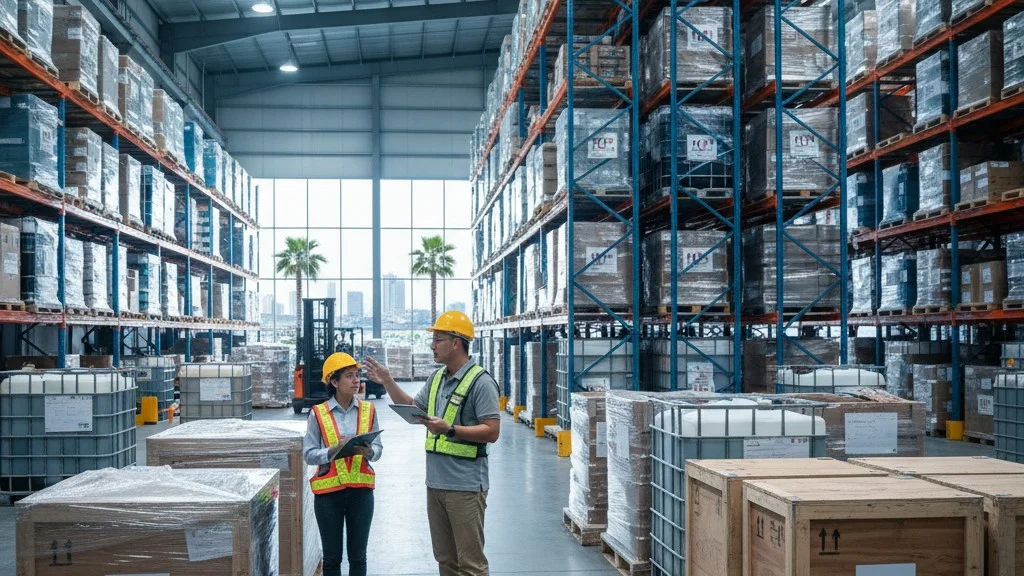
To protect themselves from geopolitical chaos, companies are rapidly changing how they operate. Boardrooms are no longer treating crisis response as an optional fallback plan, choosing instead to redesign their logistics entirely.
According to data from the Allianz Commercial Research Hub, nearly half of all surveyed companies are actively renegotiating and diversifying their suppliers. Additionally, 35% are exploring nearshoring options to bring manufacturing closer to home, while 32% are keeping larger safety inventories inside secure Free Trade Zones to survive sudden border closures.