News
Viral Hammer Attack: Dashcams Alone Won't End Road Rage in Malaysia, Say Experts
By ExFunCity · 4 Jul 2026
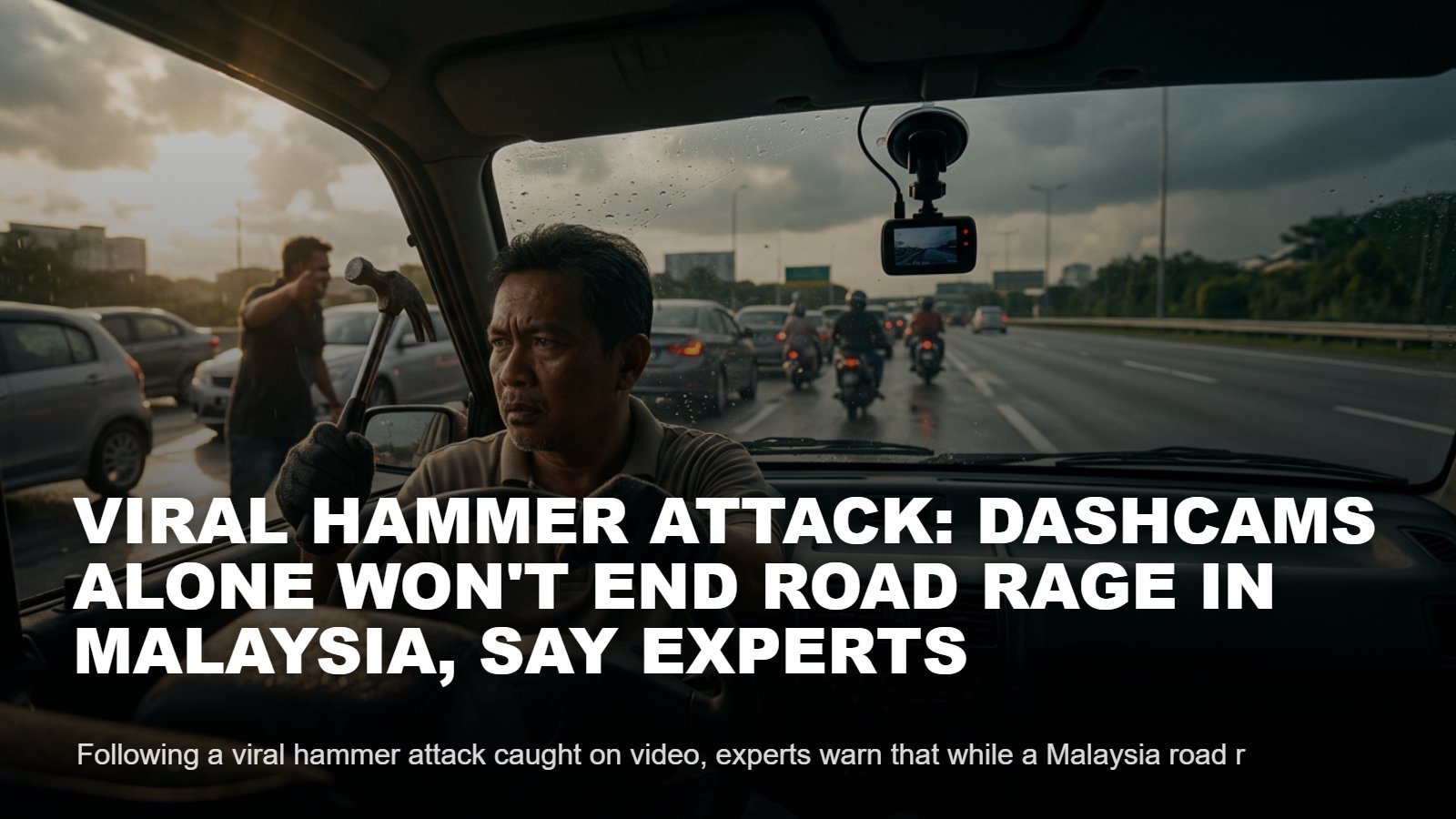
TL;DR — A viral hammer attack caught on a Malaysia road rage dashcam highlights the growing issue of aggressive driving. Learn what experts say and the penalties involved.
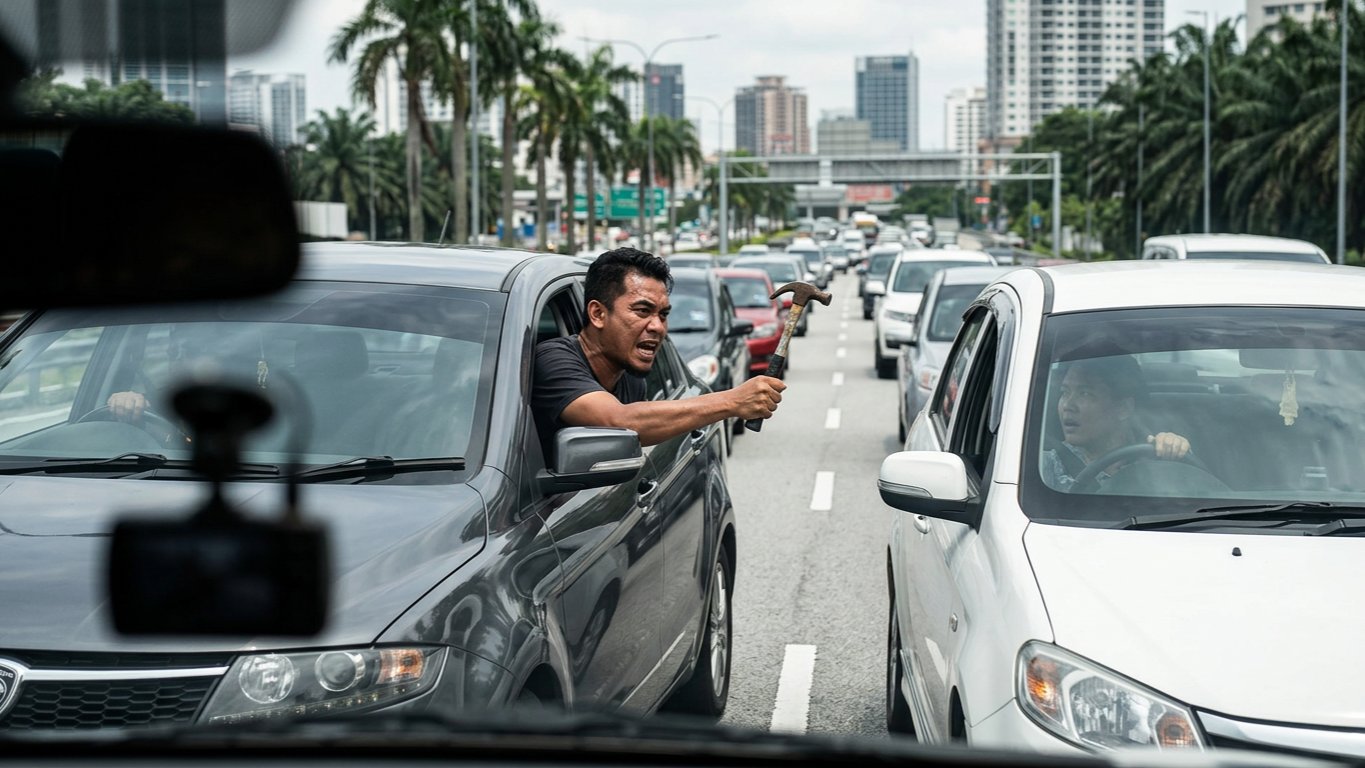 Viral Hammer Attack: Why a Malaysia Road Rage Dashcam Video Isn't Enough
A recent viral incident involving a motorcyclist hurling a hammer at a moving vehicle has sparked national concern. While the [Malaysia road rage dashcam] -> (Link to: growing trend of dashboard cameras in local vehicles) footage captured the shocking confrontation, road safety experts argue that recording devices alone will not end the culture of road bullying.
With reckless driving cases increasing by nearly 50 percent in the first half of 2026, authorities and safety advocates are calling for comprehensive solutions beyond digital surveillance.
The Rise of Aggressive Driving Incidents
The Bukit Aman Traffic Investigation and Enforcement Department recently reported a significant surge in reckless driving cases, with 1,278 investigation papers opened between January and June 2026. This is a sharp increase from the 852 cases recorded during the same period last year.
Johor, Kuala Lumpur, and Selangor recorded the highest number of dangerous driving incidents. The prevalent use of recording technology has made these confrontations more visible to the public. However, experts note that while video evidence is crucial for police investigations, the underlying causes of driver aggression remain unaddressed.
Common Triggers for Road Altercations
Authorities have identified several frequent triggers that escalate minor traffic disputes into violent confrontations:
- Failure to obey traffic signals and give way
- Dangerous overtaking and cutting into lanes without signaling
- Tailgating at high speeds
- Excessive horn use and verbal provocation
- Driver fatigue and unmanaged stress
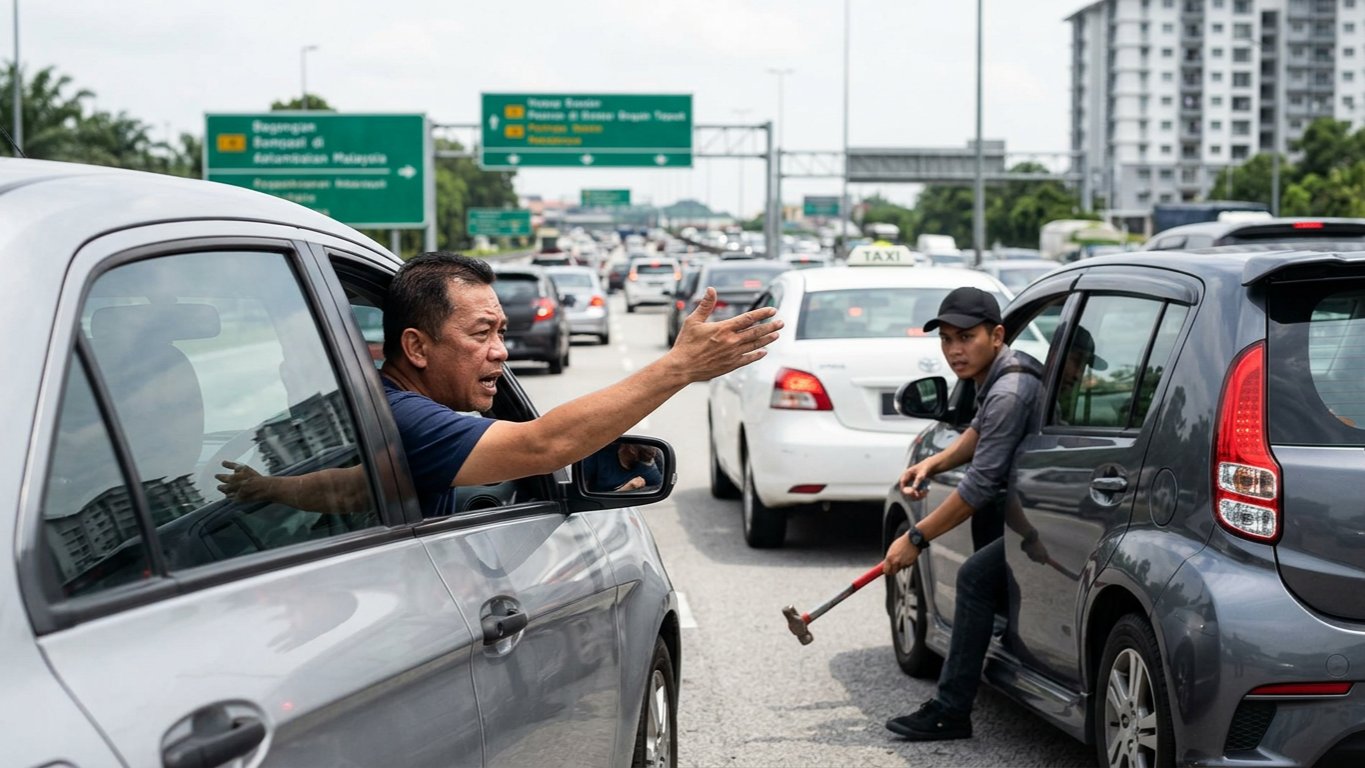 Why Technology Must Be Paired with Education
The Road Safety Council of Malaysia acknowledges the benefit of having visual evidence when victims file police reports. A clear recording can quickly identify suspects and vehicle registration numbers. Yet, simply installing a recording device does not prevent an angry driver from committing an assault.
Safety advocates are urging the Ministry of Transport and driving institutes to integrate emotional control and conflict management into driver training programs. There is also a push for mandatory anger management courses for repeat offenders who have been convicted of road bullying, emphasizing that technology must work hand-in-hand with behavioral rehabilitation.
Key Facts
- Cases of reckless and dangerous driving in Malaysia have increased by nearly 50 percent in the first six months of 2026 compared to 2025.
- The Bukit Aman Traffic Investigation and Enforcement Department opened 1,278 investigation papers for aggressive driving from January to June 2026.
- A recent viral video showcased a motorcyclist throwing a hammer at a car, leading to renewed discussions on public safety.
- While video footage assists the Royal Malaysia Police (PDRM) in investigations, experts emphasize the need for better driver education and stress management.
What People Are Asking
- What is the penalty for road rage and vehicle damage in Malaysia?
- Offenders involved in road rage can be charged under Section 42(1) of the Road Transport Act 1987 for reckless and dangerous driving, which carries a penalty of up to five years in prison and fines up to RM15,000. Additionally, the Penal Code applies for offenses such as criminal intimidation, causing injury, or committing mischief, which can result in further imprisonment and fines.
- Can dashcam footage be used as evidence in a Malaysian court?
- Yes, dashboard camera footage is highly valued by the police and can be admitted as digital evidence in court, provided the recording is authentic, unaltered, and clearly shows the incident and the identities or vehicle registration numbers of those involved.
- How should I report a road bullying incident?
- Victims or witnesses should avoid confronting the aggressive driver. Instead, they should proceed to the nearest police station to lodge a report. They can also submit their video footage directly to the traffic police to assist with the investigation.