News
UPM Experts Warn Malaysians to Cut Chicken Consumption Amid Global Feed Crisis
By ExFunCity · 11 Jun 2026
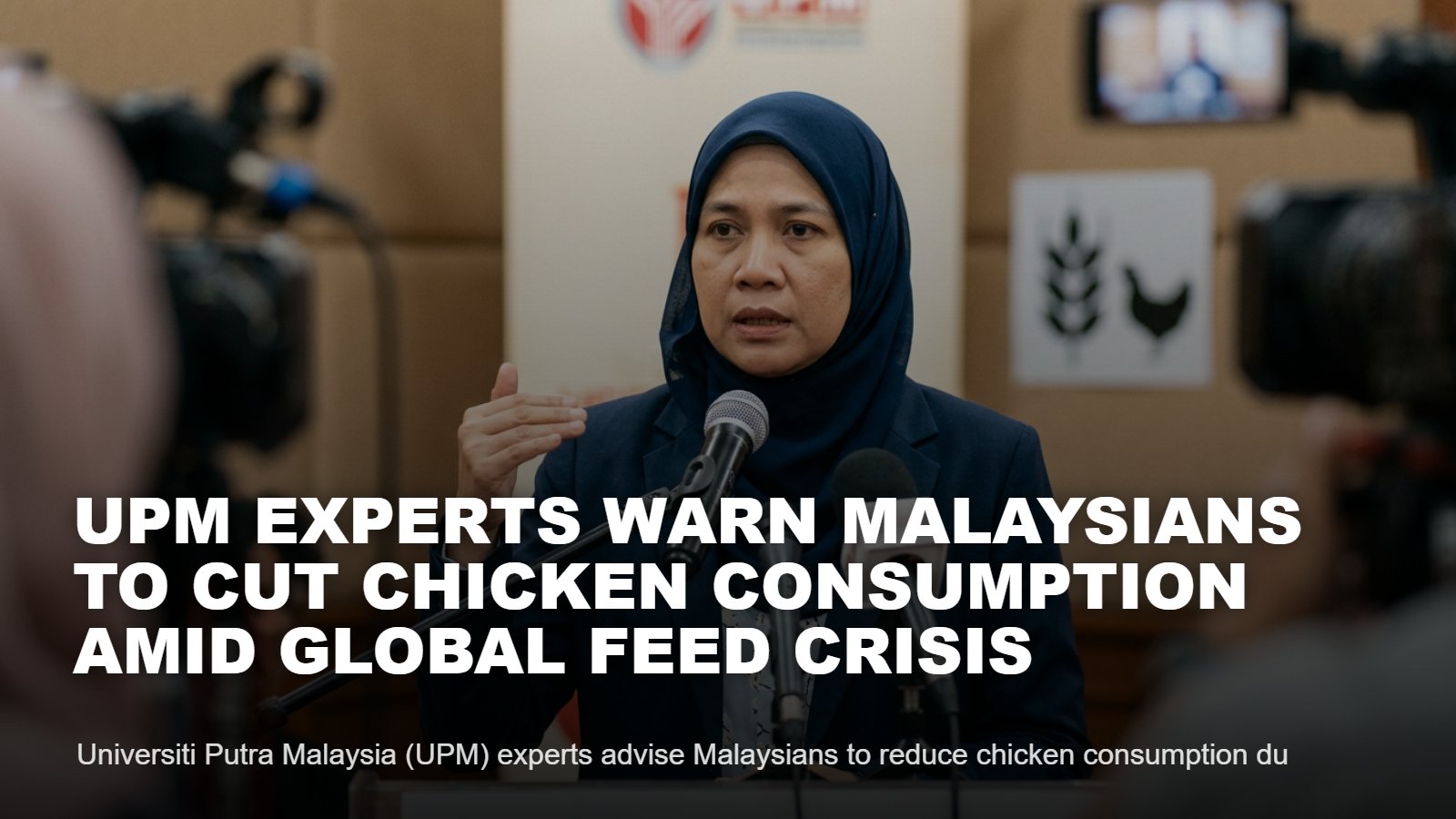
TL;DR — Read why UPM experts are urging Malaysians to reduce chicken consumption in 2026. Discover how the global feed crisis and grain corn dependency affect supplies.
 UPM Experts Warn Malaysians to Cut Chicken Consumption Amid Global Feed Crisis
As global supply chains face unprecedented pressure, experts from Universiti Putra Malaysia (UPM) are urging consumers to rethink their daily dietary habits. According to agricultural researchers, the stability of the Malaysia chicken supply 2026 is currently under severe threat due to the nation's heavy reliance on imported animal feed. To mitigate the impact of potential shortages and price hikes, experts suggest that Malaysians should temporarily reduce their high chicken consumption and diversify their protein intake.
The Dependency on Imported Grain Corn
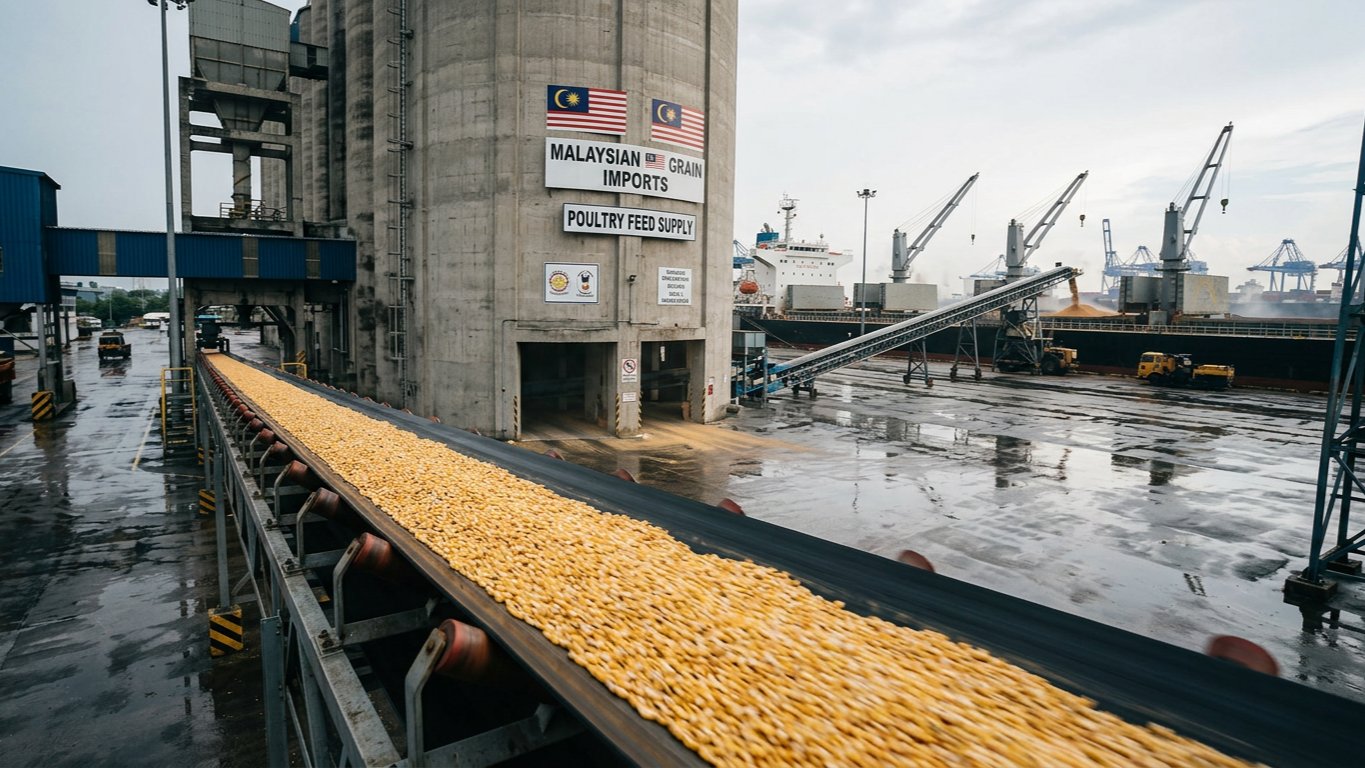
The core of the problem lies in how poultry is raised locally. While Malaysia has historically maintained a high self-sufficiency rate for producing chicken and eggs, the industry is heavily dependent on raw feed materials sourced from abroad.
UPM experts highlight that Malaysia imports at least 90 percent of its grain corn requirements, primarily from South American countries like Argentina and Brazil. This grain corn is the main component of poultry feed. When international supply chains are disrupted, local poultry farmers face skyrocketing operational costs, which eventually translates to more expensive chicken at the wet market and grocery store.
Impact of the Global Feed Crisis
Recent geopolitical tensions and logistical disruptions have worsened the situation. A series of extensive port strikes across major agricultural export hubs in South America has caused massive delays in shipping grain corn and soybean meals.
This delay forces local feed millers to source alternative, often lower-quality, feed at a premium price. Because feed constitutes over 60 percent of broiler production costs, farmers are forced to absorb the losses or reduce their flock sizes to survive. For more details on agricultural supply chains, you can read the Department of Statistics reports.
Shifting Away from a Chicken-Heavy Diet
Malaysia is currently among the highest consumers of chicken globally, with citizens eating an average of roughly 50kg of chicken per person annually. It is a staple protein found in everything from breakfast nasi lemak to late-night mamak meals.
UPM researchers clarify that the public does not need to eliminate chicken entirely from their diets. Instead, the proposal is to reduce consumption frequency—for example, shifting from eating chicken three times a day to just once. By doing so, consumers can alleviate domestic demand pressures and help stabilize the market during this supply shock.
 Exploring Alternative Protein Sources
To maintain a balanced diet during this period, experts encourage Malaysians to explore other affordable protein options. Plant-based proteins such as tempeh and tofu offer highly nutritious and budget-friendly alternatives that are less vulnerable to international feed crises. The government is also pushing for greater local cultivation of alternative feed crops, like the drought-resistant sorghum, to eventually replace imported grain corn and secure the nation's long-term food security.
Key Facts
- Malaysia imports at least 90 percent of the grain corn used for poultry feed.
- Feed costs account for more than 60 percent of local broiler production expenses.
- South American port strikes have severely delayed international grain shipments in 2026.
- Malaysians consume approximately 50kg of chicken per capita annually, making the country one of the highest consumers in the world.
- UPM experts recommend substituting some chicken meals with plant-based proteins like tempeh.
What People Are Asking
- Question: Why is the chicken supply in Malaysia facing issues in 2026?
- Answer: The local poultry sector is facing issues because Malaysia relies on importing 90 percent of its grain corn for animal feed, and global supply chains have been disrupted by port strikes and rising costs.
- Question: What are UPM experts advising consumers to do?
- Answer: Experts advise consumers to temporarily reduce how often they eat chicken and to diversify their diets with alternative proteins like tofu and tempeh to ease market demand.
- Question: Why is chicken feed so expensive right now?
- Answer: The cost has risen due to global logistical delays, international geopolitical issues, and the high currency exchange rates involved in importing raw materials like corn and soybean meals.