News
UNESCO Launches New Family Guide to Navigate AI and the Digital Age
By ExFunCity · 24 Jun 2026
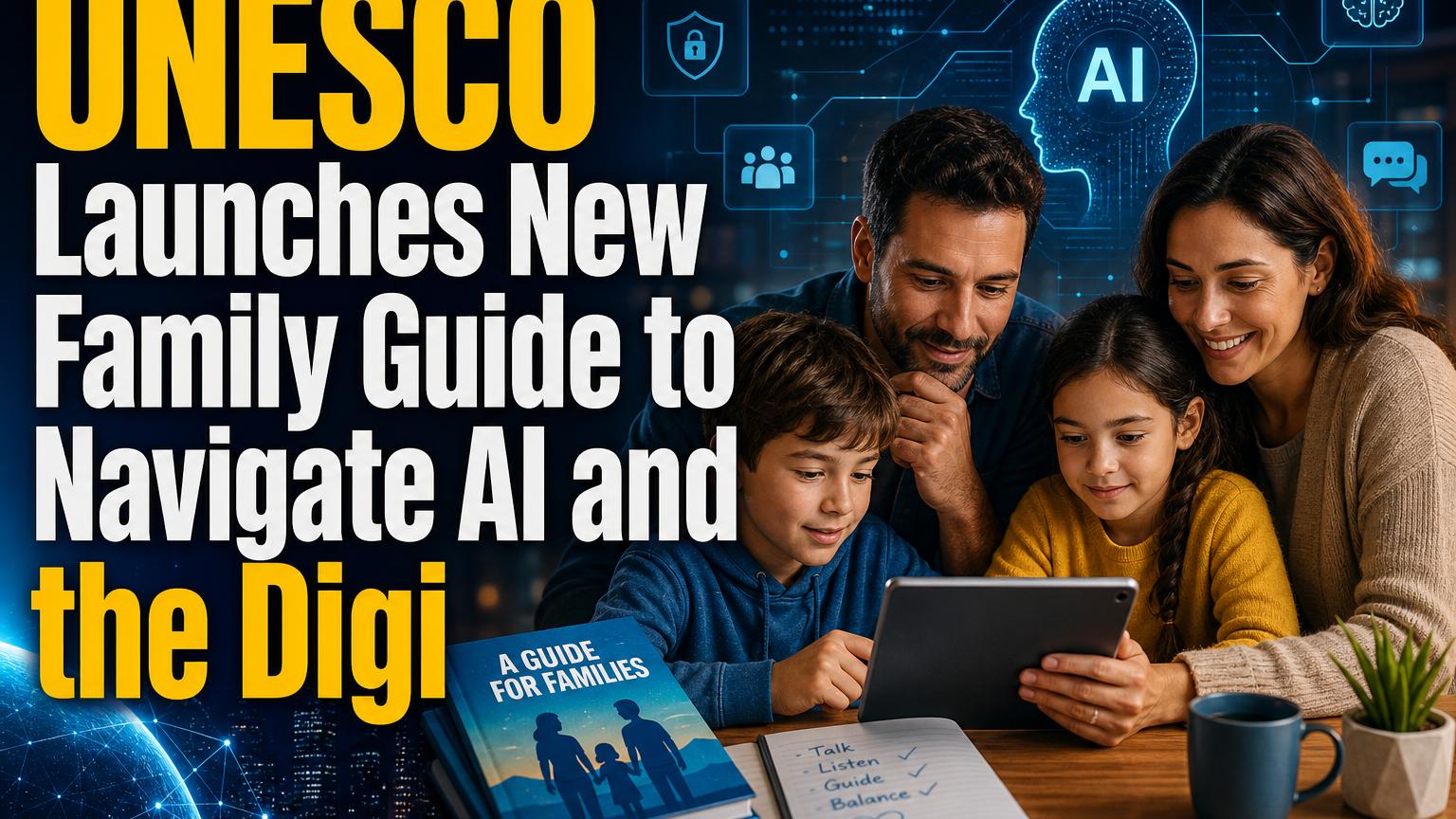
TL;DR — Discover UNESCO's newly launched global resource, "Growing Up in a Connected World," aimed at empowering parents to help children safely navigate AI and online
 UNESCO Launches New Family Guide to Navigate AI and the Digital Age
Raising children in today's digital world can feel overwhelming for many parents. From endless scrolling on social media to the sudden rise of artificial intelligence (AI) tools, keeping track of online risks is a major challenge. Recognising this struggle, the United Nations Educational, Scientific and Cultural Organization here recently launched a global resource to help families build healthier digital habits.
The new publication, titled Growing Up in a Connected World: A Family Guide for the Digital Age, was officially launched in June 2026. Rather than just focusing on strict screen-time limits, the guide empowers parents to teach their children how to think critically and navigate online spaces safely.
Shifting Focus from Screen-Time to Digital Literacy
For years, the standard advice for parents was simply to limit how much time children spent looking at screens. However, as digital platforms become deeply embedded in education and social lives, strict bans are no longer enough.
UNESCO's new approach highlights that children need active guidance to understand the content they consume. The key focus areas of the guide include:
- Developing strong critical thinking skills to evaluate online information.
- Understanding how social media algorithms influence what users see.
- Building resilience against cyberbullying and harmful content.
- Fostering open family discussions about digital experiences instead of relying purely on restrictions.
Addressing the Rise of AI in Everyday Life
One of the most significant updates in this modern guide is its focus on artificial intelligence. AI is quickly changing how young people learn, search for information, and interact online.
According to research highlighted during the launch, a growing number of youths use AI weekly to access news and information. This rapid shift brings new challenges for parents. The UNESCO digital safety guide provides practical advice on how families can approach AI tools together. It encourages parents to help their children identify AI-generated content, spot potential misinformation, and use these powerful tools responsibly for learning rather than relying on them blindly.
 Why Parents Are the First Line of Defence
While many countries, including Malaysia, are discussing tighter regulations and potential bans on social media for younger users, laws alone cannot solve everything. The reality is that many schools still do not have comprehensive media literacy programmes in their curriculum.
Because of this gap, parents often serve as the primary guides for their children's digital journeys. The new guide is designed to support parents who might feel they lack the technical expertise to keep up. It reassures caregivers that they do not need to be tech experts to have meaningful conversations with their children about online safety, privacy, and digital well-being.
Moving Forward: How Families Can Take Action
The launch of this guide marks an important step in viewing digital safety as a shared responsibility. While governments and tech platforms must improve online regulations, families can start making positive changes at home immediately.
Practical steps recommended by experts include:
- Establishing balanced screen-time routines that apply to the whole family, including adults.
- Asking children open-ended questions about their daily online experiences to encourage dialogue.
- Learning together to verify the sources of news and information encountered on social platforms.
- Addressing the concept of "technoference," where digital devices interrupt meaningful family interactions.
Ultimately, the goal is not to isolate children from the digital world, but to equip them with the skills they need to thrive in it.