Sports
UEFA Champions League Final 2026: The Tactical Masterclass That Will Decide the Trophy
By ExFunCity · 14 May 2026

TL;DR — Explore the projected tactics for the UEFA Champions League final 2026 and how the midfield battle will crown the champions of Europe.
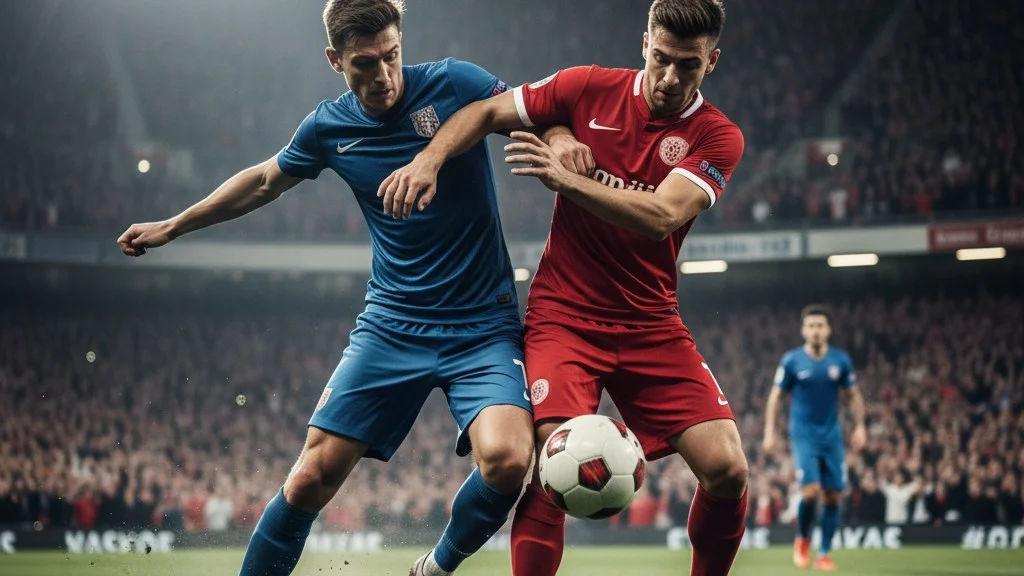 UEFA Champions League Final 2026: Tactical Breakdown and Midfield Mastery
The world of football is shifting its gaze towards the most anticipated club match of the season with the UEFA Champions League final 2026 promising to be a chess match of the highest order. For Malaysian football fans, understanding the intricate tactical layers behind the game is just as exciting as the goals themselves. This final represents the pinnacle of modern football coaching where every movement is calculated. As teams prepare for this grand stage, the focus isn't just on the star strikers but on the structural integrity of the defensive lines and the fluid transitions that have characterized this year's tournament. The evolution of the modern false nine role and high-pressing systems will undoubtedly play a massive role in how the pressure is managed throughout the 90 minutes or beyond.
The Midfield Engine Room and Control of the Tempo
History has shown that European club finals are rarely won by individual brilliance alone but rather by the team that dominates the central third of the pitch. In the UEFA Champions League final 2026, the battle between the deep-lying playmakers and the aggressive ball-winners will dictate the flow of the match. One team will likely look to implement a 'double pivot' to provide defensive stability, while the other might rely on an inverted fullback to create a numerical advantage in the middle. Strategic instructions provided by the top European football coaches suggest that winning the second ball in midfield is the primary objective to prevent counter-attacks and maintain sustained pressure. If one side can isolate the opponent's primary distributor, the entire offensive structure of the rival can crumble rapidly.
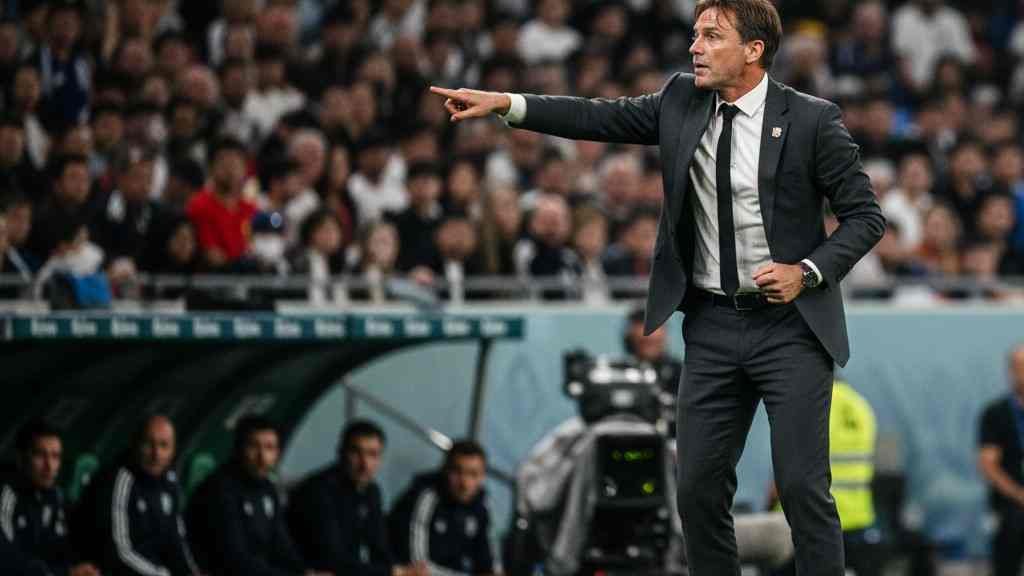 Tactical Flexibility and the Impact of In-Game Adjustments
Modern football requires managers to be adaptable, and this upcoming final will be a testament to that necessity. We expect to see shifts in formation depending on which side has possession of the ball. For instance, a traditional 4-3-3 might transform into a 3-2-5 during the attacking phase to stretch the opposition's defensive block. This tactical fluidity is a hallmark of elite [Champions League performances](https://www.theguardian.com/football/champions-league). Substitutions will also be more than just fresh legs; they will be strategic pivots intended to exploit specific fatigue points in the opponent's defensive line. The manager who can read the game's momentum and react first with a tactical change will likely hold the trophy aloft by the end of the night.
High Pressing versus Low Block Strategies
The contrast in styles often makes for the most compelling finals. One finalist often employs a high-intensity press designed to force turnovers high up the pitch, a tactic famously refined in European football systems. Conversely, an opponent might opt for a compact low block, inviting pressure and looking to exploit the space left behind by the pressing team. Key tactical takeaways for this matchup include:
* The effectiveness of the counter-press within the first six seconds of losing possession.
* Utilization of wide areas to bypass a congested central midfield.
* The importance of a 'sweeper-keeper' to act as an extra passing option against high pressure.
* Direct transitions involving long vertical passes to target men.
Set Piece Excellence as the Ultimate Tiebreaker
When two tactically disciplined teams meet, the deadlock is often broken by a dead-ball situation. Set pieces have become a specialized department in modern coaching, with dedicated staff analyzing every angle. In the UEFA Champions League final 2026, do not be surprised if a corner routine or a strategically placed free kick decides the outcome. The positioning of runners and the delivery into the 'corridor of uncertainty' are meticulously practiced. For the Malaysian viewing audience, observing how teams organize their zonal marking versus man-to-man marking during these crucial moments will reveal the level of preparation involved in reaching the summit of European football.