News
Transport Ministry Fast-Tracks Solar Rail Projects to Counter Fuel Hikes
By ExFunCity · 14 Apr 2026
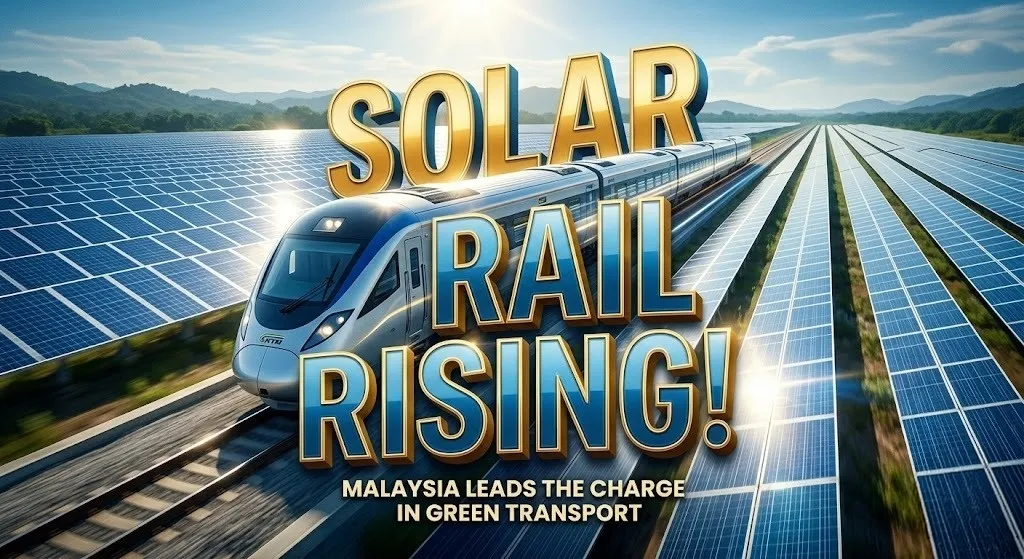
TL;DR — MOT accelerates solar rail projects as global oil prices soar. Learn how Malaysia is using renewable energy to keep train fares affordable in 2026.
Transport Ministry Fast-Tracks Solar Rail Projects to Counter Fuel Hikes
As global oil prices continue to surge past the US$110 mark, the Malaysian Ministry of Transport (MOT) has announced a bold plan to accelerate renewable energy projects within the national rail sector. Transport Minister Anthony Loke revealed today that the government is fast-tracking the "Solar Rail Initiative," a project designed to power the country's train networks using massive solar installations. By reducing the rail system's reliance on the traditional power grid—which is still partly affected by volatile fuel costs—the ministry aims to keep public transport fares stable for millions of Malaysians. This move is a direct response to the economic pressures caused by the ongoing maritime standoff in the Middle East.
Powering the Track with Renewable Energy
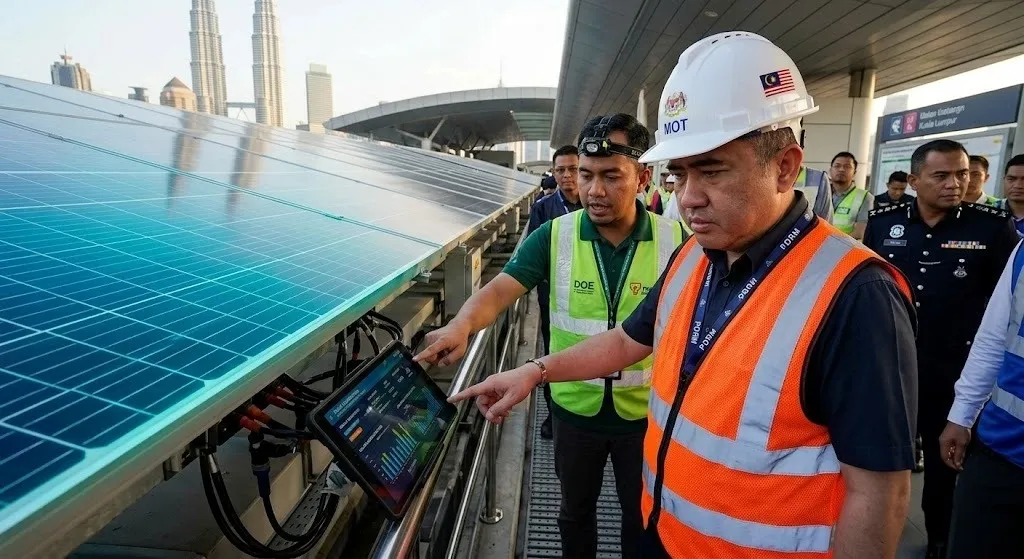
The solar rail project involves installing thousands of high-efficiency solar panels along the vast stretches of land adjacent to the national railway tracks. Additionally, the roofs of major stations like KL Sentral and the various LRT and MRT depots will be covered with solar photovoltaic (PV) systems. This clean energy will be used to power station facilities, lighting, and eventually, the traction power that moves the trains themselves.
Key components of the fast-tracked plan include:
- Trackside Solar Farms: Utilizing unused land along the Keretapi Tanah Melayu (KTM) lines.
- Station Retrofitting: Installing solar glass and roof panels on over 100 existing stations.
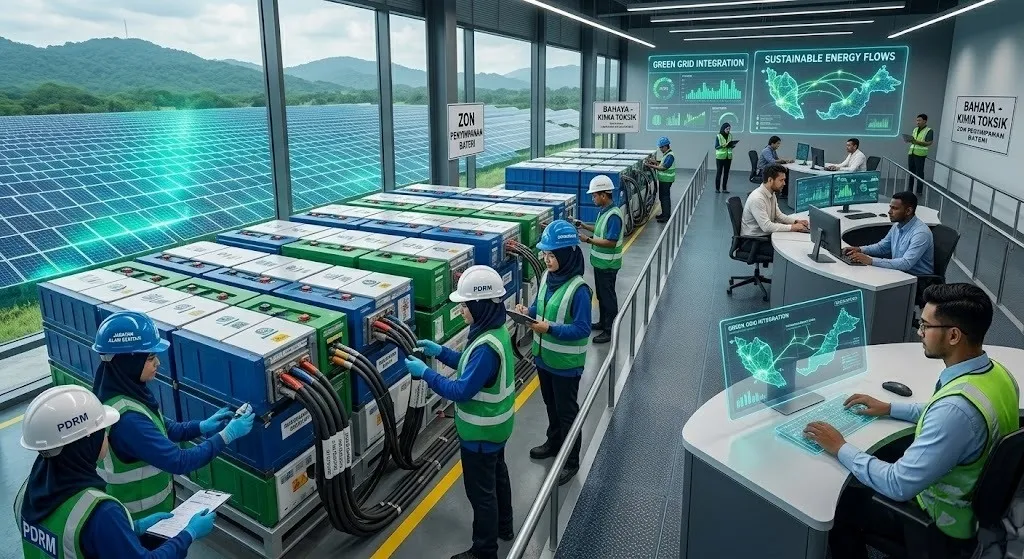
- Energy Storage Systems: Using large-scale batteries to store solar power for use during night-time operations.
- Grid Integration: Selling excess power back to the national grid during peak sunlight hours to generate additional revenue.
Shifting Away from Fossil Fuel Dependency
Currently, a significant portion of the cost of running electric trains comes from the electricity bill paid to Tenaga Nasional Berhad (TNB). Since a portion of Malaysia’s electricity is still generated from imported coal and gas, global fuel hikes usually lead to higher operational costs for rail operators like Prasarana and KTMB. By generating its own "green" electricity, the Transport Ministry can "lock in" lower energy costs for decades, ensuring that the public does not have to pay higher ticket prices when global oil markets are in chaos.
Protecting the People from Rising Fares
Minister Anthony Loke emphasized that the main goal of this acceleration is "fare protection." In a time when the B40 and M40 groups are struggling with the rising cost of groceries and fuel for cars, the government wants to ensure that taking the train remains the most affordable way to travel. The fast-track order means that projects originally planned for 2028 will now be completed by early 2027.
This initiative also aligns with Malaysia’s net-zero carbon goals. By switching to solar, the rail network will significantly reduce its carbon footprint. The ministry estimates that once fully operational, the solar rail system could reduce greenhouse gas emissions by up to 150,000 tonnes per year, making Malaysia a leader in green transport within the ASEAN region.
Strategic Partnerships and Investment
To fund this rapid expansion, the MOT is looking into Public-Private Partnerships (PPP). Private energy companies will be invited to install and maintain the solar panels, selling the power back to the rail operators at a fixed, discounted rate. This model allows the government to upgrade the infrastructure without a massive immediate hit to the national budget.
Technological Challenges and Innovations
Implementing solar power on such a large scale for a high-speed rail network is not without its challenges. Engineers must ensure that solar panels do not interfere with the sensitive signaling and communication systems used by trains. Furthermore, the "Intermittent" nature of solar power—meaning it only generates electricity when the sun is out—requires advanced battery storage solutions.
The government is collaborating with local universities and tech firms to develop:
- Smart Power Management: AI systems that automatically switch between solar and grid power.
- Self-Cleaning Panels: Using nanotech coatings to keep panels efficient in Malaysia’s humid and dusty climate.
- Lightweight Composites: New ways to install solar cells directly into the structure of train station roofs.
A Greener, More Stable Future for Malaysian Commuters
The fast-tracking of the Solar Rail Initiative is a clear signal that Malaysia is preparing for a future where fossil fuels are increasingly expensive and unpredictable. By investing in the sun, the country is securing a more stable and affordable transport system for its citizens. Commuters can look forward to not only greener rides but also the peace of mind that their daily travel costs will remain protected from the storms of global politics. As the first panels begin to glow under the Malaysian sun, the nation takes a giant leap toward total energy independence in the transport sector.