Food
Guide to Tokyo's Newest Stand-and-Eat Sushi Bars: Michelin Quality on a Budget
By ExFunCity · 17 May 2026
TL;DR — Explore Tokyo's best standing sushi bars for 2026. Learn how these fast-paced, high-quality shops deliver premium seasonal nigiri without the luxury price tag.
 Guide to Tokyo's Newest Stand-and-Eat Sushi Bars
The traditional Tokyo omakase experience is famous for its luxury, quiet atmosphere, and incredibly high price tag. For many travelers, securing a seat at a top-tier counter requires booking months in advance and spending thousands of ringgit. However, a major dining shift has taken over the Japanese capital.
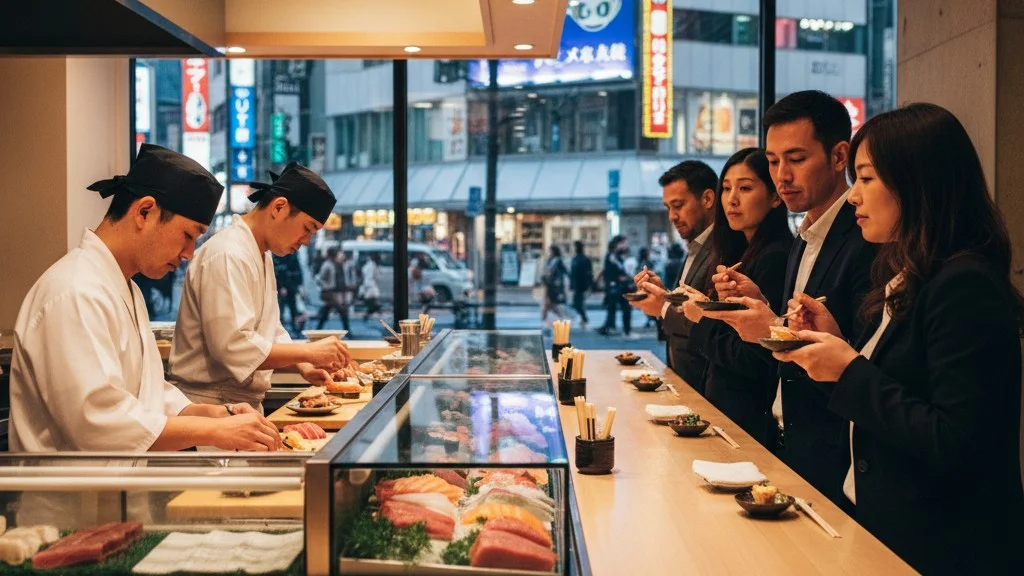
A new wave of tachigui (standing style) sushi bars is redefining urban dining by removing the chairs, the long waiting lists, and the formal pretense. These high-turnover shops allow you to walk in, stand at a clean wooden counter, and enjoy premium, masterfully crafted nigiri at an incredibly affordable price point.
The Tachigui Concept: Why No Seats Equals Better Value
Standing while eating is deeply rooted in Japanese culinary history, originating as a fast-food style for busy workers during the Edo period. Modern restaurateurs have revived this format to tackle rising ingredient costs. By maximizing space and increasing customer turnover, these bars pass the savings directly to the diner.
- High turnover efficiency: Without chairs, diners naturally eat and leave within twenty to thirty minutes, allowing the shop to serve vastly more customers daily.
- Lower overhead costs: Standing bars require minimal real estate, often squeezing into tiny alleyways or train station basements where rent is low.
- Direct ingredient funding: Because they save money on space and lengthy service, these shops pour their entire budget into sourcing top-tier fish from the Toyosu Market.
Michelin-Quality Seafood Delivered Piece by Piece
Do not mistake standing sushi bars for cheap conveyor belt chains. Many of Tokyo's newest tachigui spots are opened by experienced chefs who trained for decades in high-end, Michelin-starred kitchens.
- Hand-formed precision: Every single piece of nigiri is shaped by hand right in front of you, served at the perfect temperature on warm, seasoned akazu (red vinegar) rice.
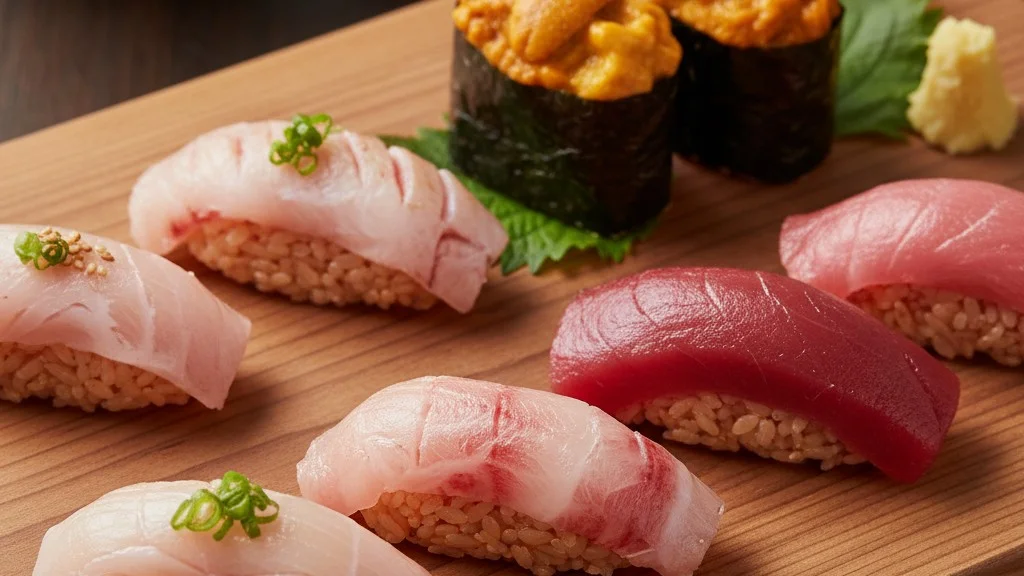
- Premium seasonal cuts: The menus rotate daily depending on the morning's best catch, featuring delicacies like fatty tuna (otoro), sea urchin (uni), and torched sea eel (anago).
- The a la carte freedom: Instead of committing to a fixed twenty-course menu, you can order your favorite cuts piece by piece using a simple pencil checklist or an digital tablet.
 How to Navigate a Standing Sushi Bar Like a Pro
For tourists visiting a Tokyo standing sushi bar for the very first time, the fast-paced environment can feel slightly intimidating. Following basic counter etiquette ensures a smooth and welcoming meal.
- Order efficiently: It is customary to order three to four pieces at a time rather than asking for one single piece at a interval, keeping the chef’s workflow steady.
- Eat with your hands: While chopsticks are provided, eating nigiri with clean fingers is highly encouraged to keep the delicate, loosely packed rice from breaking apart.
- Be mindful of the queue: Because space is highly limited, it is considered impolite to linger, chat, or check your phone long after finishing your final piece of sushi.
Top Modern Standing Bars to Visit in Tokyo Right Now
If you are planning an itinerary to Japan, specific standing bars have become absolute must-visit destinations for food lovers tracking this trend.
- Sushi Akira (Tsukiji & Shinbashi): Widely credited with triggering the modern standing sushi boom, serving pristine cuts of wild bluefin tuna on perfectly seasoned rice.
- Tachigui Sushi Hinatomaru (Asakusa): A popular spot specializing in various cuts of tuna, ranging from lean marinated akami to melt-in-your-mouth kamatoro (tuna collar).
- Sushi Nemoto (Shibuya): A sleek, modern standing bar that caters to younger crowds with an English-friendly ordering system and creative seasonal toppings.