Food
Tokyo New Wave Soba: The Rise of Modern Japanese Soba Restaurants
By ExFunCity · 12 May 2026
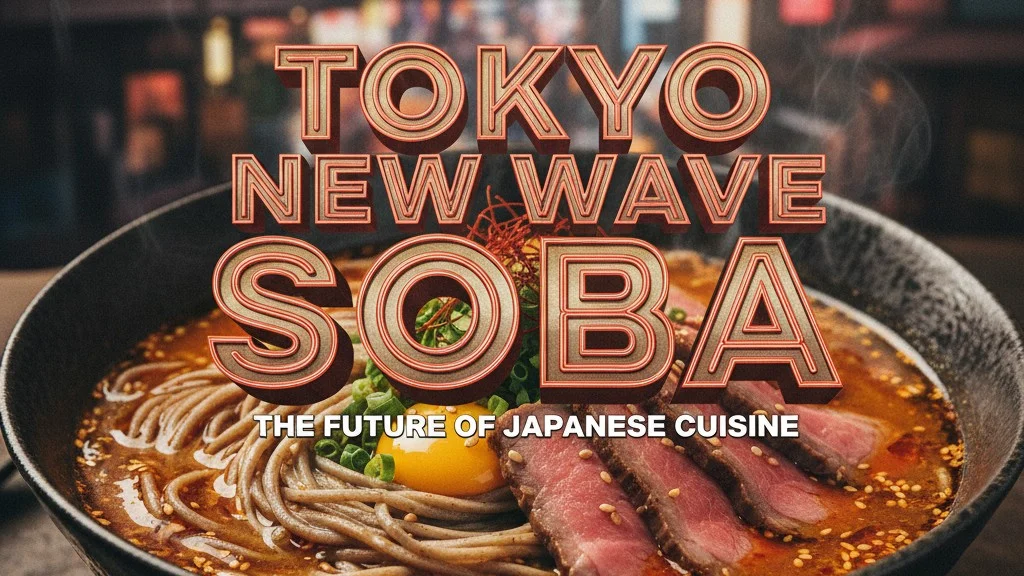
TL;DR — Explore the shift in Tokyo's food scene toward innovative cold dipping soba and fusion toppings at modern Japanese soba restaurants.
 Tokyo New Wave Soba: The Rise of Modern Japanese Soba Restaurants
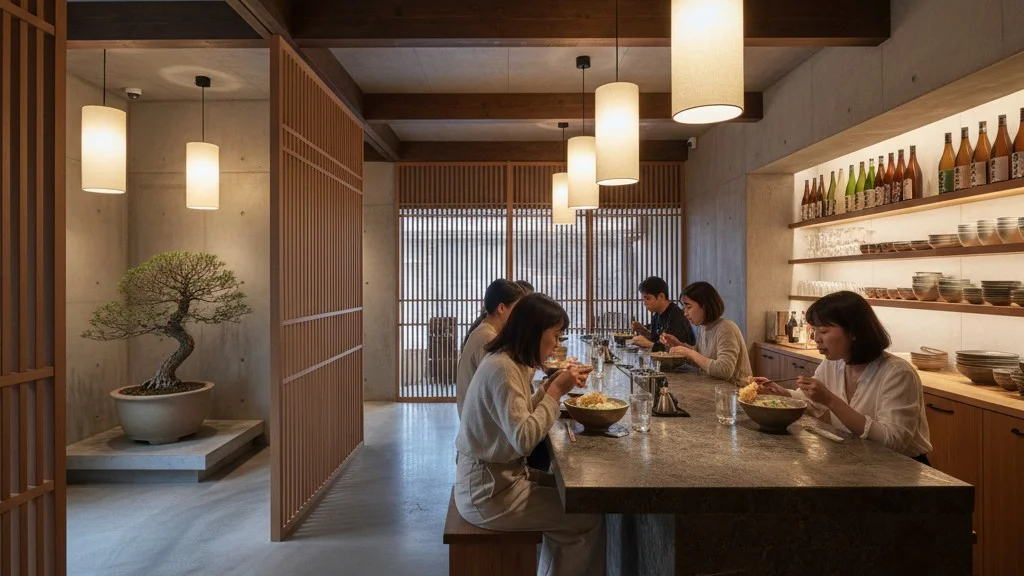
For many Malaysian travelers, a bowl of soba in Japan usually means a simple hot broth or a plain cold bamboo mat of noodles. However, a new revolution is hitting the streets of Tokyo. Traditional buckwheat culture is being reinvented by a generation of chefs who are turning humble noodles into a high-fashion culinary experience. These modern Japanese soba restaurants are moving away from the quiet, woody interiors of the past and into sleek, industrial spaces that feel more like craft cocktail bars than noodle shops.
From Traditional Broth to Innovative Dipping Styles
The biggest shift in the soba scene is the transition from 'Kake Soba' (hot soup) to complex 'Tsukemen' (dipping) styles. Inspired by the heavy, rich trends often found in Ramen culture across Japan, modern soba shops are crafting thick, flavorful dipping sauces. Instead of the standard soy-based dashi, you might find bowls filled with spicy chili oil, creamy walnut pastes, or even truffle-infused duck fats. This evolution allows the buckwheat noodle to maintain its firm texture and nutty aroma without getting soggy in a hot soup.
Fusion Toppings That Topping the Food Charts
Modern Japanese soba restaurants are no longer sticking to the basic tempura or spring onion garnishes. Today, the toppings look more like something out of a Michelin-starred kitchen. It is common to see soba paired with:
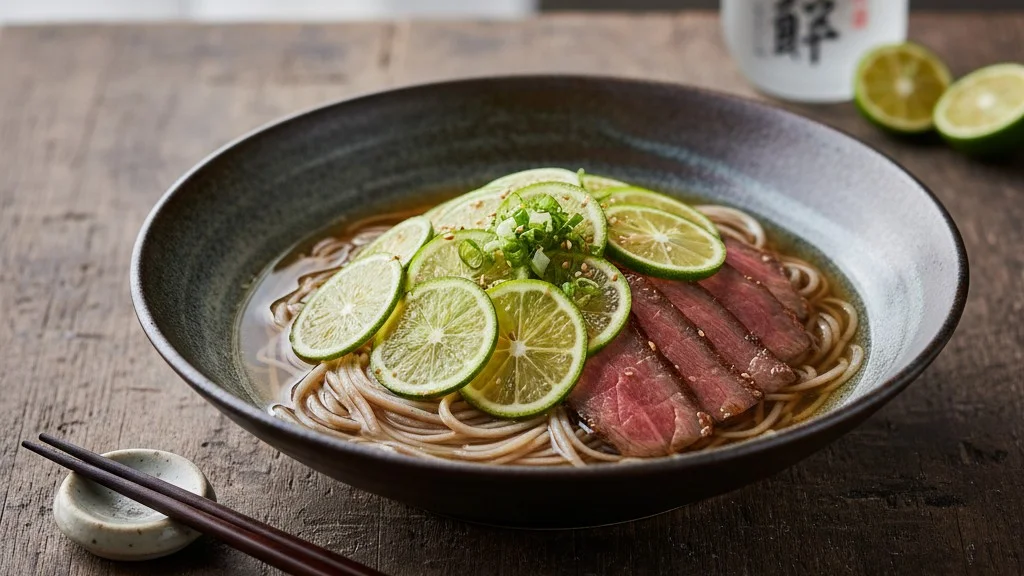
* Roasted wagyu beef slices with sea salt
* Sudachi lime slices covering the entire bowl surface
* Soft-poached eggs with parmesan cheese and black pepper
* Fresh herbs like coriander and spicy minced pork (Minced meat style)
According to recent culinary reviews in the Michelin Guide Tokyo, these fusion elements are attracting a younger demographic that previously found traditional soba too 'old-fashioned.'
 The Rise of Standing Soba Bars and Stylish Interiors
The environment where people eat soba has also changed. In neighborhoods like Shibuya and Roppongi, standing bars have become a hub for the 'New Wave' movement. These outlets often play jazz or lo-fi hip-hop, creating an accessible atmosphere for office workers and tourists alike. Notable spots like Minatoya have influenced a decade of successors by offering massive portions topped with piles of nori, sesame, and spicy pork. Many of these locations are now featured in [Lonely Planet Tokyo travel guides](https://www.lonelyplanet.com/japan/tokyo/restaurants) as must-visit spots for foodies.
Why This Trend Matters for Global Food Lovers
This shift represents a broader movement in Japanese gastronomy: the desire to modernize heritage foods while respecting the core ingredient. Since buckwheat is naturally gluten-free and packed with nutrients, it fits perfectly into the global wellness trend. By adding bold flavors and Instagram-worthy presentations, Tokyo chefs are ensuring that soba remains relevant. If you are planning a trip soon, check the Japan National Tourism Organization restaurant listings to find the latest modern soba openings in the Harajuku and Azabu-Juban areas.