Food
Somalia Hunger Crisis 2026: 6 Million People Face Acute Food Insecurity
By ExFunCity · 15 May 2026

TL;DR — A humanitarian emergency unfolds in Somalia as 6 million people face acute hunger.
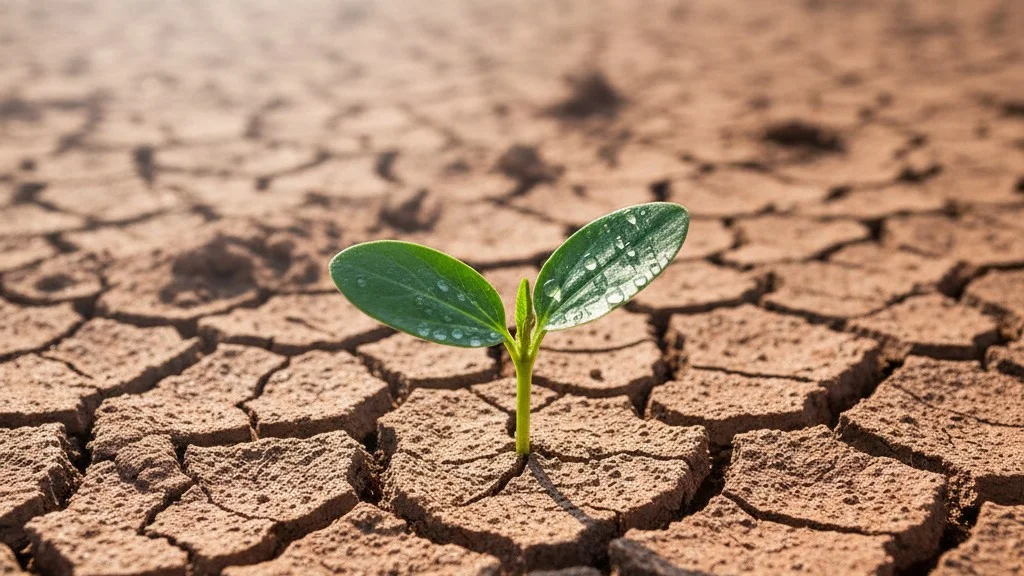 Somalia Facing Catastrophic Hunger Crisis: 6 Million People in Urgent Need of Aid
International humanitarian agencies have issued a dire warning regarding a rapidly escalating food crisis in Somalia. New data released this week suggests that nearly 6 million people—roughly one-third of the population—are now facing emergency levels of acute food insecurity.
The crisis is the result of a "perfect storm" of environmental and economic factors. While the region has seen some rainfall, it has been erratic and insufficient to support the necessary crop cycles. Combined with the rising costs of fuel and imported staples, the ability of local families to afford even basic nutrition has been severely compromised.
The Impact of Erratic Rainfall on Agriculture
For a nation heavily dependent on subsistence farming and livestock, the failure of predictable weather patterns is devastating. The recent "Gu" rainy season provided some relief, but experts note that the distribution was uneven.
In many southern regions, flash floods destroyed existing crops, while northern pastoral communities continue to suffer from prolonged dry spells. This instability has led to a massive loss of livestock, which serves as the primary source of wealth and protein for millions of Somalis.
Rising Global Costs Hit the Most Vulnerable
The crisis in East Africa is being worsened by global economic pressures. Somalia relies heavily on imported food, and the current high price of global shipping and fuel has caused local market prices to skyrocket.
- Fuel Prices: Increased transport costs have doubled the price of water trucking in arid regions.
- Staple Foods: The price of imported flour and oil has risen by 40% in urban centers.
- Aid Funding: Humanitarian organizations are struggling to keep up as the cost of delivering a single meal has increased significantly since 2025.
Key Statistics of the 2026 Crisis:
- Population at Risk: 5.9 million people in Integrated Food Security Phase Classification (IPC) Phase 3 or higher.
- Children Affected: 1.7 million children facing acute malnutrition.
- Internally Displaced: Over 1 million people have moved to urban camps in search of food and water.
- Funding Gap: The UN's Humanitarian Response Plan is currently only 25% funded.
 A Call for Immediate International Intervention
The United Nations and its partners are calling for an immediate injection of $2 billion in aid to prevent the crisis from turning into a full-scale famine. Unlike previous years, the window for intervention is closing faster due to the speed at which food prices are rising.
Specialized agencies like the World Food Programme (WFP) are prioritizing life-saving nutrition for mothers and young children. However, without a significant increase in international contributions, they warn that they may have to reduce the size of food rations by June.
Long-Term Solutions and Climate Resilience
While immediate food aid is the priority, experts emphasize the need for long-term climate resilience. This includes investing in drought-resistant seeds and better irrigation infrastructure.
The Food and Agriculture Organization (FAO) is currently working with local Somali farmers to implement solar-powered water pumps and soil conservation techniques. These measures aim to break the cycle of dependency on unpredictable rains, though such projects require years of stability to yield results.
How the Global Community Can Help
Global citizens are encouraged to support reputable international organizations that have a direct presence on the ground. Beyond financial aid, increasing awareness of the link between climate change and global food security is vital.
- Direct Donations: Contribute to organizations providing therapeutic milk and grain to high-risk zones.
- Advocacy: Support policies that address global warming and its disproportionate impact on developing nations.
- Awareness: Share factual data from the [Global Report on Food Crises] -> (Link to: annual reports on world hunger trends) to keep the issue on the international agenda.