News
New solar incentives for Malaysian households: Solar Terrace program 2026
By ExFunCity · 12 May 2026
TL;DR — Learn about the Solar Terrace program 2026. Revised NEM policies offer higher rebates for Malaysian families to install rooftop solar panels and save money.
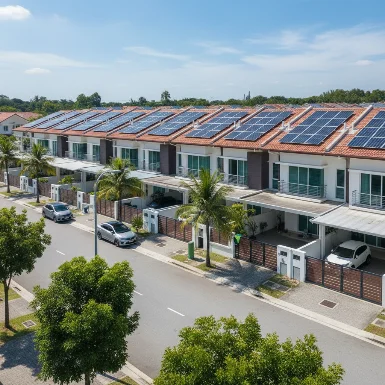 New solar incentives for Malaysian households: Solar Terrace program 2026
Malaysian homeowners are looking at a brighter, greener future as the government introduces the Solar Terrace program 2026. This initiative is designed specifically to help middle-income families offset the rising costs of living by reducing monthly electricity bills. With the global shift toward sustainability, according to [The Star](https://www.thestar.com.my), Malaysia is accelerating its efforts to reach net-zero emissions. The new program focuses on making renewable energy accessible to the average terrace house owner, moving beyond luxury installations to everyday household solutions.
Understanding the Solar Terrace program 2026
The Solar Terrace program 2026 is a specialized framework aimed at urban and suburban residential areas. Unlike previous schemes that favored large-scale industrial projects, this program provides direct financial support to households. Under this initiative, the government aims to increase the total number of residential rooftop installations by over 40% in the next two years. Reports from The New Straits Times highlight that the program will streamline the approval process, making it easier for families to get solar setups approved by local councils.
Key benefits of the program include:
- Direct cash rebates for initial hardware costs.
- Low-interest financing options through local banks.
- Priority grid connection for residential areas.
- Extended warranties on solar inverters and panels.
Revised Net Energy Metering (NEM) policies
A critical component of the Solar Terrace program 2026 is the revision of the Net Energy Metering (NEM) scheme. Under the new NEM 4.0 guidelines, the offset ratio has been improved, allowing homeowners to export excess energy back to the national grid at a more competitive rate. This means that if your panels produce more electricity than you use during the day, you receive credit that significantly lowers your nighttime bill. Detailed data on energy standards can be found via Wikipedia, which explains how these systems help balance the national power load.
Higher rebates for middle income families
The government has recognized that the initial cost of solar remains a barrier for many. To address this, the Solar Terrace program 2026 introduces tiered rebates specifically for the M40 income group. By providing up to RM10,000 in direct subsidies for eligible households, the payback period for a standard 4kWp system has been reduced from ten years to approximately five. This financial shift is part of a broader national strategy often discussed in Berita Harian regarding economic resilience and green technology adoption.
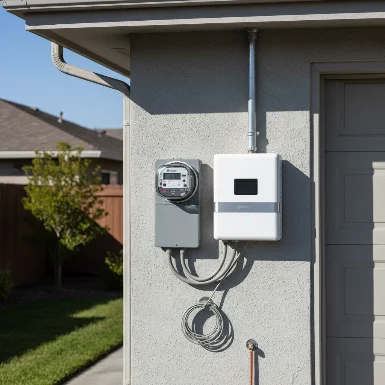 How to apply and start saving
Starting your solar journey requires a few simple steps. Homeowners must first ensure their roof condition is suitable for panel installation. Many residents look for guidance from official sources like [Tourism Malaysia](https://www.malaysia.travel) when considering the environmental impact on the nation's natural beauty. Once ready, you can contact a registered solar service provider to conduct a site assessment and handle the application for the Solar Terrace program 2026.
Important steps for applicants:
1. Check your latest 12 months of electricity bills for average usage.
2. Consult with a SEDA-certified solar installer.
3. Submit your application through the integrated online portal.
4. Monitor your energy production via mobile apps provided by installers.
Future-proofing your Malaysian home
Installing solar is more than just a way to save money; it is an investment in your property's value. As green buildings become the norm, houses equipped with the Solar Terrace program 2026 infrastructure will likely see higher resale values. This move aligns with international trends seen in major hubs, as documented by [Reuters](https://www.reuters.com) in their coverage of global energy transitions. By joining the movement today, Malaysian families are protecting themselves from future electricity tariff hikes while contributing to a cleaner, healthier environment for the next generation.