News
PAC Exposes RM28.79 Million Waste Over Delayed Spanco Government Vehicle Contract Deliveries
By ExFunCity · 10 Jul 2026
TL;DR — Read about the PAC inquiry into the Spanco government vehicle contract. Learn how delivery backlogs forced RM28.79 million in losses due to over-aged fleet extensions.
 Public Accounts Committee Reveals RM28.79 Million Loss Linked to Spanco Government Vehicle Contract Backlogs
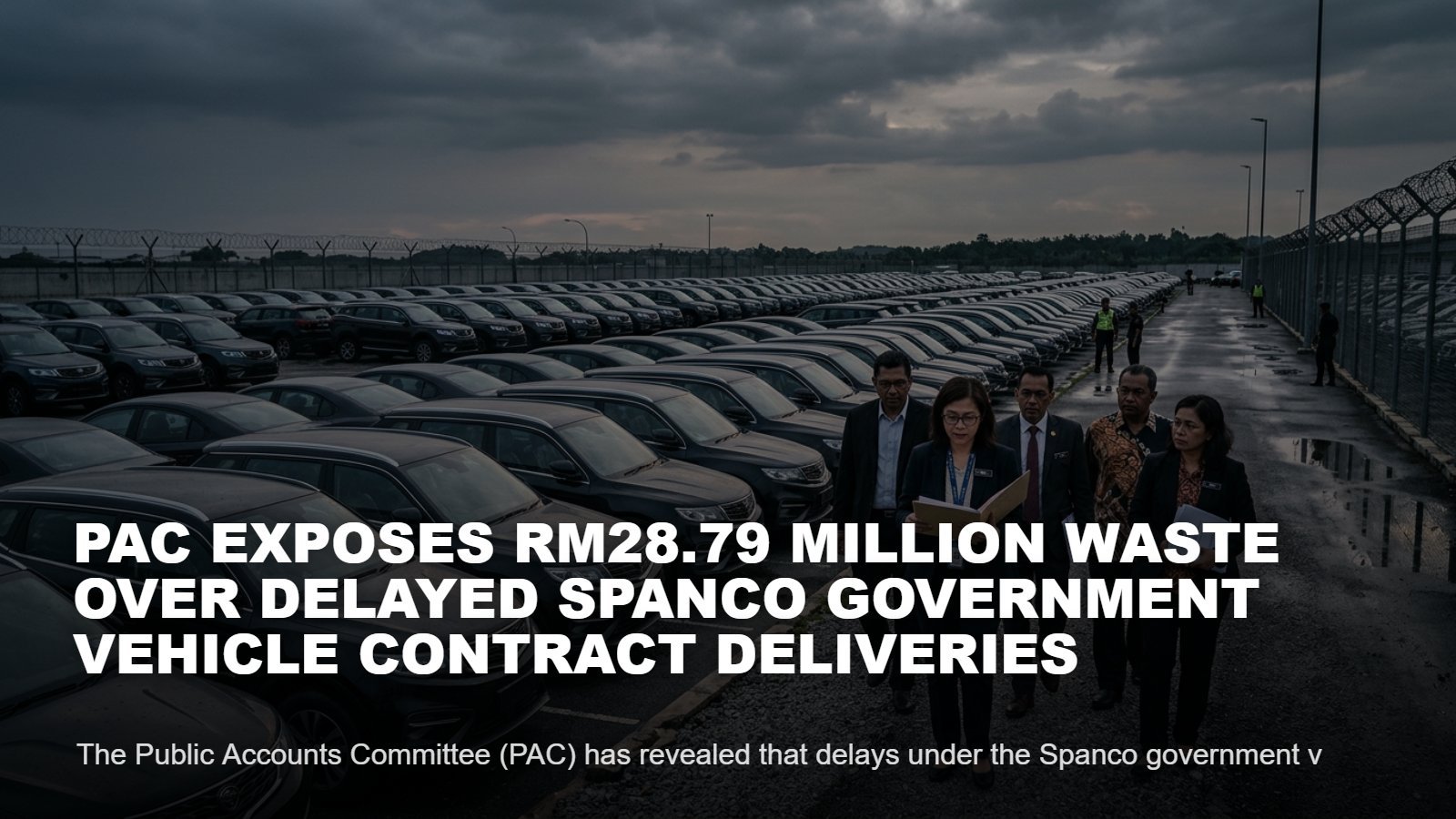
The Public Accounts Committee (PAC) has directed the Ministry of Finance (MOF) to urgently tighten oversight regarding the long-term Spanco government vehicle contract. In a parliamentary press conference, the committee disclosed that critical delays in supplying replacement cars forced ministries to incur an estimated RM28.79 million in unnecessary expenditures. The administrative backlog meant government departments continued paying full monthly lease fees and inflated maintenance bills for thousands of ageing vehicles whose operational lifespans had already expired.
Delayed Fleet Replacements Drive Up Maintenance Costs
The financial losses stem from systemic execution bottlenecks that disrupted the scheduled retirement of 5,323 leased vehicles across multiple ministries. Under the standard guidelines of the concession, fleet models are supposed to undergo routine replacement after a designated 48 to 60-month operational cycle. However, extensive delivery delays by the concessionaire meant user agencies were forced to extend outdated leases to prevent disruption to daily civil service operations.
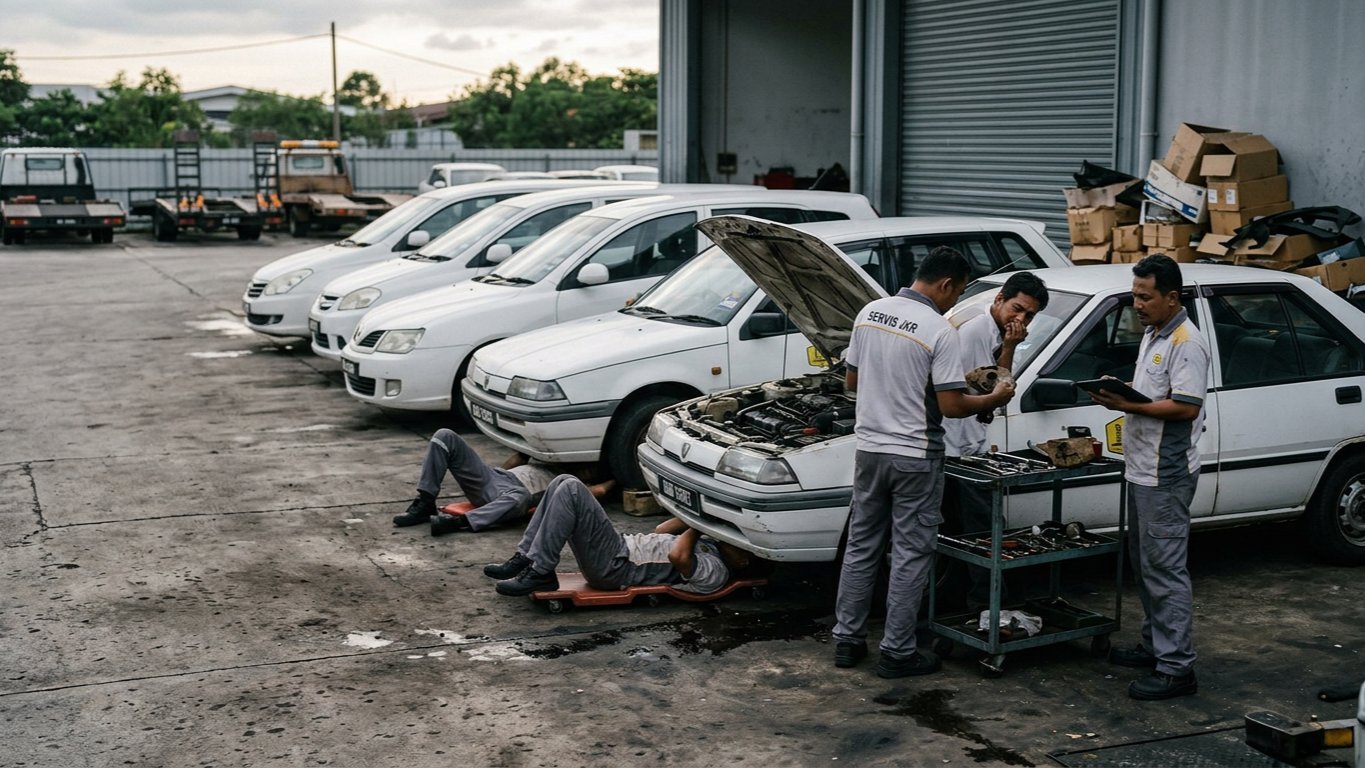
According to PAC findings, keeping older cars on public roads severely dented the federal budget. The government had to absorb heavy, non-warranted repair costs common to high-mileage vehicles. These recurring mechanical expenses significantly exceeded the predictable, lower upkeep rates associated with deploying first-year factory-fresh units. The audit concluded that the current single-concession arrangement, which binds the government until July 2037, presents clear financial risks if left unamended.
Contractual Weaknesses and Communication Breakdowns Identified
The parliamentary inquiry uncovered several critical gaps in how the MOF initially managed the early implementation phases of the concession agreement. The committee noted a severe lack of communication between central treasury administrators and the specific user agencies on the ground.
Furthermore, a failure to properly distribute core contract documents left individual ministries confused over the exact timelines dictating late-delivery penalty clauses. This administrative oversight significantly slowed down the state's efforts to officially claim millions of ringgit in late-delivery penalties from Spanco.
 PAC Recommendations for Structural Procurement Reform
- Draft a supplementary agreement ensuring the government is never billed lease rates for over-aged vehicles kept in service due to supplier delivery backlogs.
- Update the standard 60-working-day delivery timeline to better reflect modern manufacturing capacities, customs clearance times, and logistical hurdles in Sabah and Sarawak.
- Implement a mandatory, unified digital fleet monitoring system across all public sectors to provide automated early warnings before any vehicle lease expires.
- Conduct a comprehensive feasibility study exploring alternative multi-supplier management models to break the reliance on a single concessionaire.
Key Facts
- Total Financial Waste: Delays in replacing 5,323 leased fleet vehicles resulted in RM28.79 million in unnecessary government spending.
- Contract Expiry: The current exclusive single-concession vehicle contract runs for a duration of 15 years, starting from July 31, 2022, and lasting until July 30, 2037.
- Audit Triggers: The parliamentary proceedings were initiated following critical performance assessments published in the Auditor-General's Report.
- Penalty Discrepancy: While initial audit estimates flagged up to RM54.51 million in uncollected late penalties, subsequent ministerial verifications revised the target down to RM18.7 million across 27 ministries.
What People Are Asking
- What is the Spanco issue regarding government vehicles and why is the PAC investigating it?
- The issue involves major delays by Spanco in delivering new replacement vehicles for the government's official transport fleet. The PAC investigated the matter because the delivery delays forced the government to waste nearly RM29 million on maintaining over-aged rental cars while weak contract management delayed the collection of late-delivery penalties.
- Is the government planning to change its vehicle supplier after these findings?
- The PAC has officially recommended that the Finance Ministry and the Public-Private Partnership Unit (Ukas) study alternative fleet management models, specifically looking into a multi-supplier system. For the latest developments, the public can access the Parliament of Malaysia Official Portal to view the complete tabled report.