News
OPEC+ Keeps Oil Output Unchanged as Iran Conflict Disrupts Global Supply
By ExFunCity · 12 Sep 2026
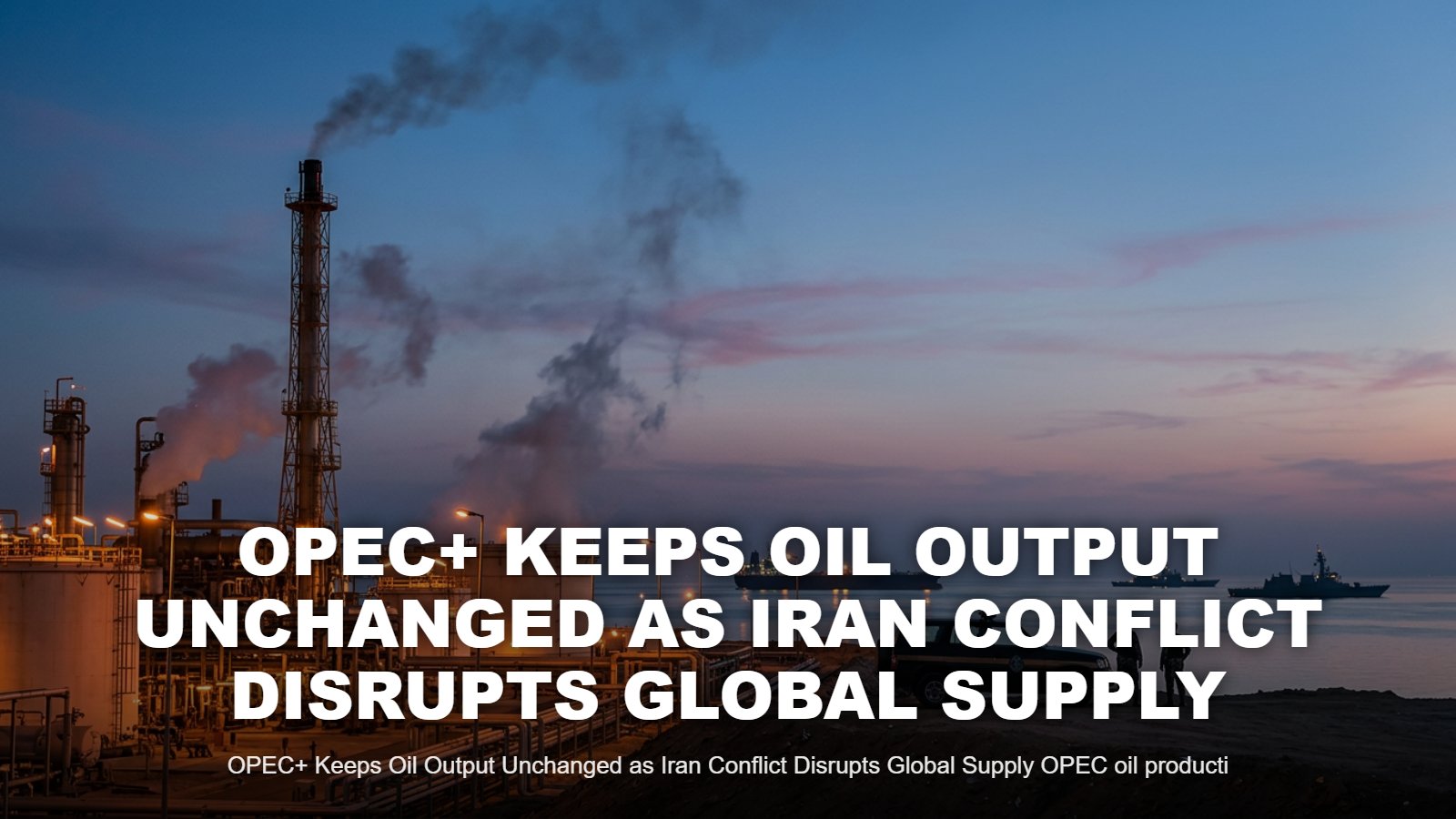
TL;DR — OPEC+ keeps October oil output policy unchanged as Iran tensions and Strait of Hormuz disruptions continue affecting global supply and crude prices.
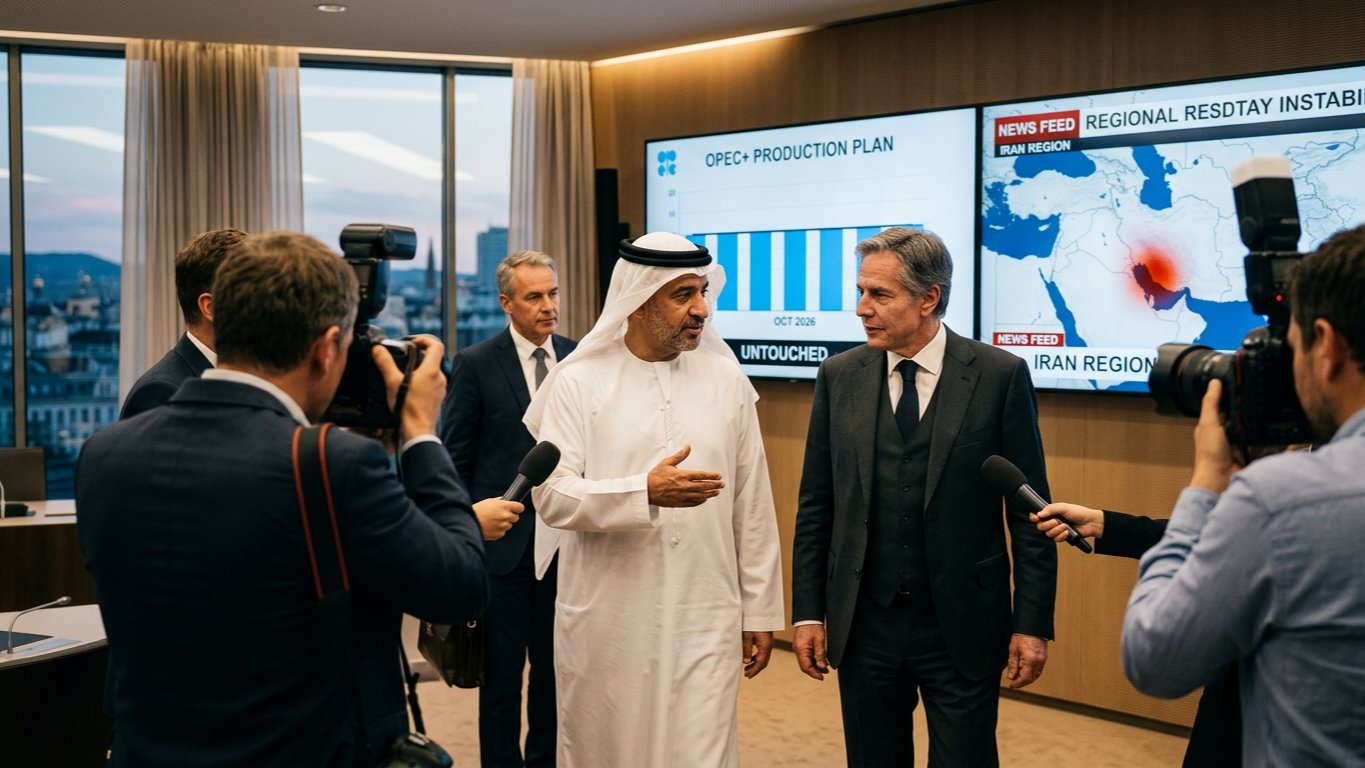 OPEC+ Keeps Oil Output Unchanged as Iran Conflict Disrupts Global Supply
OPEC oil production September 2026 is back in focus after OPEC+ agreed on Sunday, 6 September 2026, to keep its production policy unchanged for October as conflict involving Iran continues to disrupt global oil flows.
The decision means the participating producers will not introduce another production increase for October after gradually bringing some previously withheld supply back to the market earlier this year.
The move comes at a particularly uncertain time for energy markets, with reduced shipping activity through the Strait of Hormuz and continued military tension affecting expectations for global crude supply.
Why OPEC+ Kept Production Unchanged
OPEC+ includes some of the world's largest oil producers, including Saudi Arabia, Russia and Iraq.
The group has spent much of 2026 gradually unwinding part of the voluntary production cuts introduced in previous years. In August, seven participating countries agreed to restore another 188,000 barrels per day of production for September.
For October, however, the group decided not to make another adjustment.
Factors influencing the decision include:
- Continued instability involving Iran
- Disrupted oil transportation through the Strait of Hormuz
- Production constraints among some OPEC+ members
- Uncertainty over global demand
- The need to reassess production capacity for 2027
OPEC+ will now place greater attention on reviewing members' maximum sustainable production capacity, which is expected to help determine future production baselines.
Strait of Hormuz Disruption Remains Critical
The Strait of Hormuz is one of the world's most important energy shipping routes.
Recent vessel traffic has remained below normal levels as tensions involving Iran continue. Reuters reported that only four commodity vessels passed through the waterway on one recent day, compared with a 10-day average of 13.
The disruption matters because a significant share of global oil and liquefied natural gas exports normally travels through the strait.
OPEC's monitoring committee has previously warned that attacks on energy infrastructure and disruptions to international maritime routes can increase volatility and threaten energy supply security.
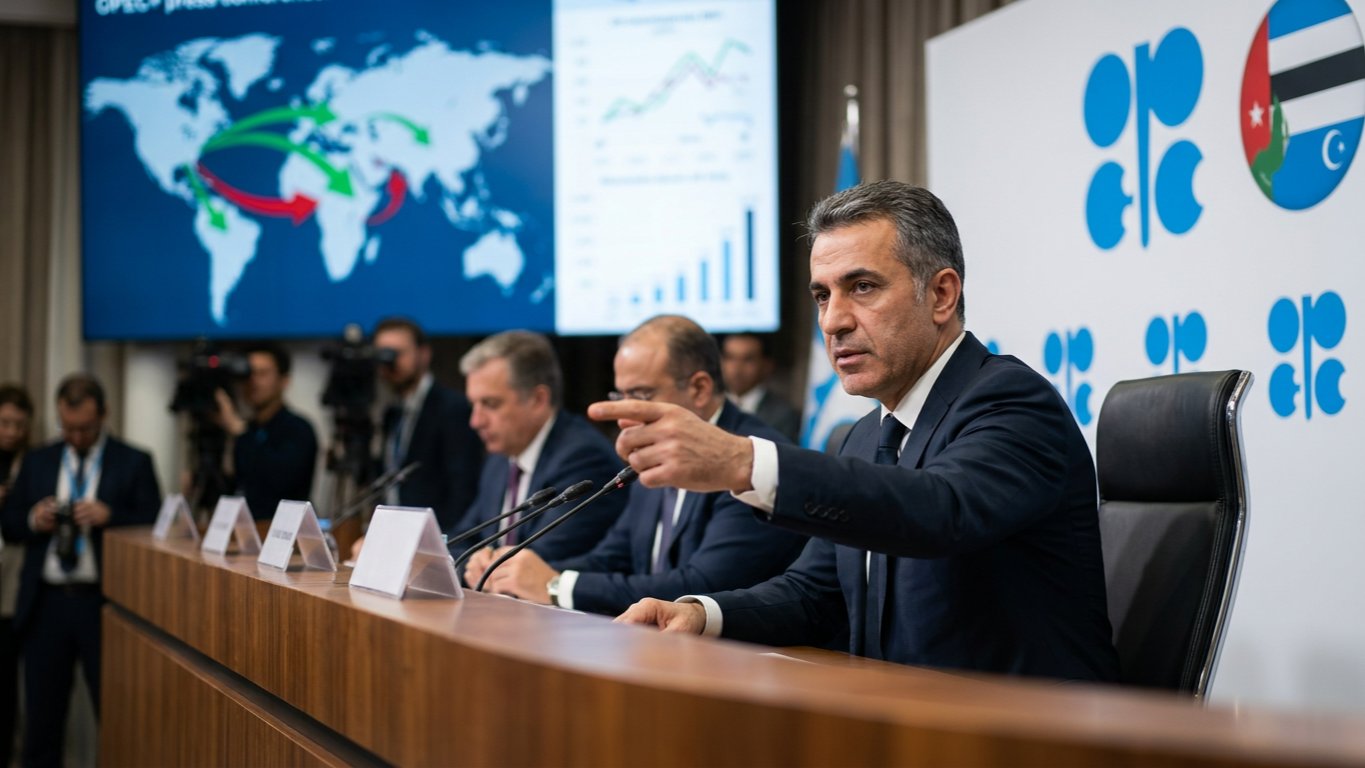 Oil Prices Remain Sensitive to Iran Tensions
Crude prices have remained volatile as traders react to developments involving Iran and the United States.
On 2 September, Brent crude settled at $95.63 per barrel, while US West Texas Intermediate reached $91.01, as renewed military exchanges increased fears of further supply disruption.
Analysts surveyed by Reuters expect oil prices to remain elevated during 2026 because Middle East supply risks continue despite weaker demand in some major markets.
What Happens Next for OPEC+?
The next major monitoring meeting is scheduled for 4 October 2026.
OPEC+ is also working on assessments that will help establish production reference levels for 2027. These discussions could become increasingly important as the group balances market stability against competition from producers outside OPEC+.
Key Facts
- OPEC+ kept its October 2026 oil output policy unchanged.
- The decision was made on 6 September 2026.
- Seven producers previously increased September output by 188,000 barrels per day.
- Iran-related tensions continue disrupting Strait of Hormuz shipping.
- Brent crude recently traded above $95 per barrel.
- The next OPEC+ monitoring meeting is scheduled for 4 October 2026.
What People Are Asking
Did OPEC+ increase oil production for October 2026?
No. The group decided to keep its existing production policy unchanged for October.
Why are oil prices high?
Supply concerns linked to the Iran conflict and reduced shipping through the Strait of Hormuz are among the major factors supporting prices.
Will petrol prices rise because of OPEC+?
Fuel prices depend on several factors, including crude oil prices, exchange rates, taxes and domestic pricing policies. Continued disruption to global oil supply could place upward pressure on crude prices.