Food
The Rise of Nordic Fusion in Southeast Asia: Preserving the Future
By ExFunCity · 14 May 2026

TL;DR — Explore the rise of New Nordic cuisine trends in Southeast Asia. Learn how fermentation and foraging link Viking traditions with Asian cooking.
 The Rise of Nordic Fusion in Southeast Asia: Preserving the Future
In recent years, a quiet revolution has been simmering in the kitchens of Kuala Lumpur, Singapore, and Bangkok. While Southeast Asia is famous for its bold spices and street food, a new influence is making waves: New Nordic cuisine trends. This movement, originating from Denmark and Sweden, focuses on minimalism, seasonality, and deep preservation methods. At first glance, the cold, forest-heavy landscapes of Scandinavia seem worlds apart from the humid tropics of Malaysia. However, food enthusiasts are discovering that the two regions share a deep-rooted obsession with the science of flavor through time.
The Shared Language of Fermentation
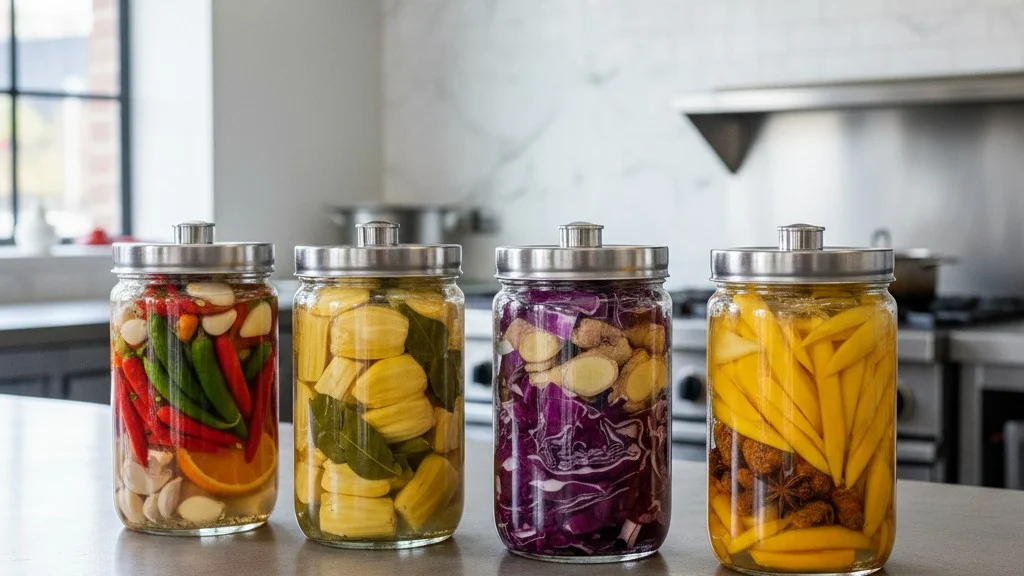
One of the strongest pillars of New Nordic cuisine trends is the use of fermentation. In the Viking age, preserving food was a matter of survival through long winters. In Southeast Asia, fermentation served a similar purpose, helping food last in the intense heat. While Scandinavians use lacto-fermentation to create tangy pickles and sourdough, Malaysians have long enjoyed tempoyak and cincalok as fermented staples. This shared heritage makes the funk of Nordic ferments feel surprisingly familiar to local palates. Modern chefs are now using these ancient Viking methods to transform tropical ingredients like mango or local chilies into complex, umami-rich sauces.
Foraging for Tropical Wilds
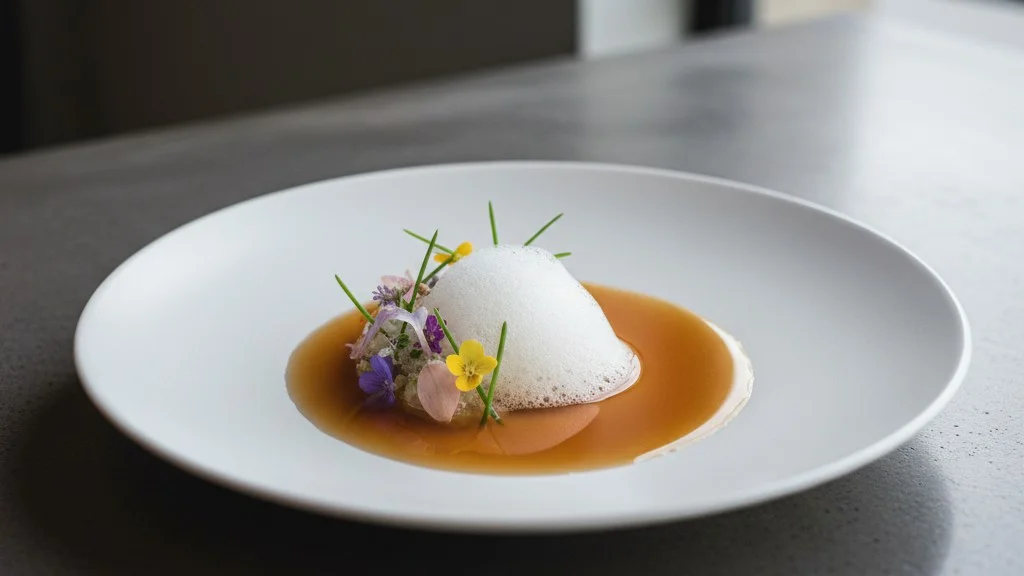
Foraging—the act of gathering food from the wild—is a core tenet of the Michelin Guide Nordic countries philosophy. This trend has encouraged Southeast Asian chefs to look beyond commercial suppliers and rediscover local flora. In Malaysia, this means a renewed interest in ulam-ulaman and wild forest herbs that were once part of traditional village diets. By applying the disciplined Nordic eye to tropical jungles, restaurants are creating dishes that are hyper-local and environmentally friendly. This shift helps reduce the carbon footprint of dining while celebrating the unique biodiversity found in the Taman Negara rainforest.
 Creating a Sustainable Dining Culture
The popularity of New Nordic cuisine trends is also driving a shift toward sustainability. The Scandinavian model emphasizes zero-waste and utilizing every part of an ingredient, from root to leaf. This philosophy resonates with the growing goals adopted by many Southeast Asian hospitality groups. Diners in cities like KL are increasingly looking for more than just a meal; they want a story about where their food comes from and how it was treated. Nordic-inspired menus often feature fewer imported meats and more locally sourced, seasonal produce, which supports small-scale farmers and reduces waste.
Key Takeaways for the Modern Foodie
As this fusion continues to grow, here is what you should look for in a New Nordic-inspired dining experience:
* Heavy use of preserved, pickled, or salted elements rather than fresh cream or butter.
* Menus that change frequently based on the exact week or month of the harvest.
* A focus on high-acidity and clean plating that avoids heavy sauces.
* The inclusion of wild-caught or foraged ingredients that aren't usually found in supermarkets.
* This culinary bridge between the North and the East is more than just a passing fad; it is a movement toward a more mindful and flavor-driven way of eating that honors both the history of the Vikings and the richness of Asian soil.