News
NATO Ankara Summit 2026 Declaration Pledges €70 Billion Ukraine Aid and €27 Billion Fuel Pipeline Upgrade
By ExFunCity · 11 Jul 2026
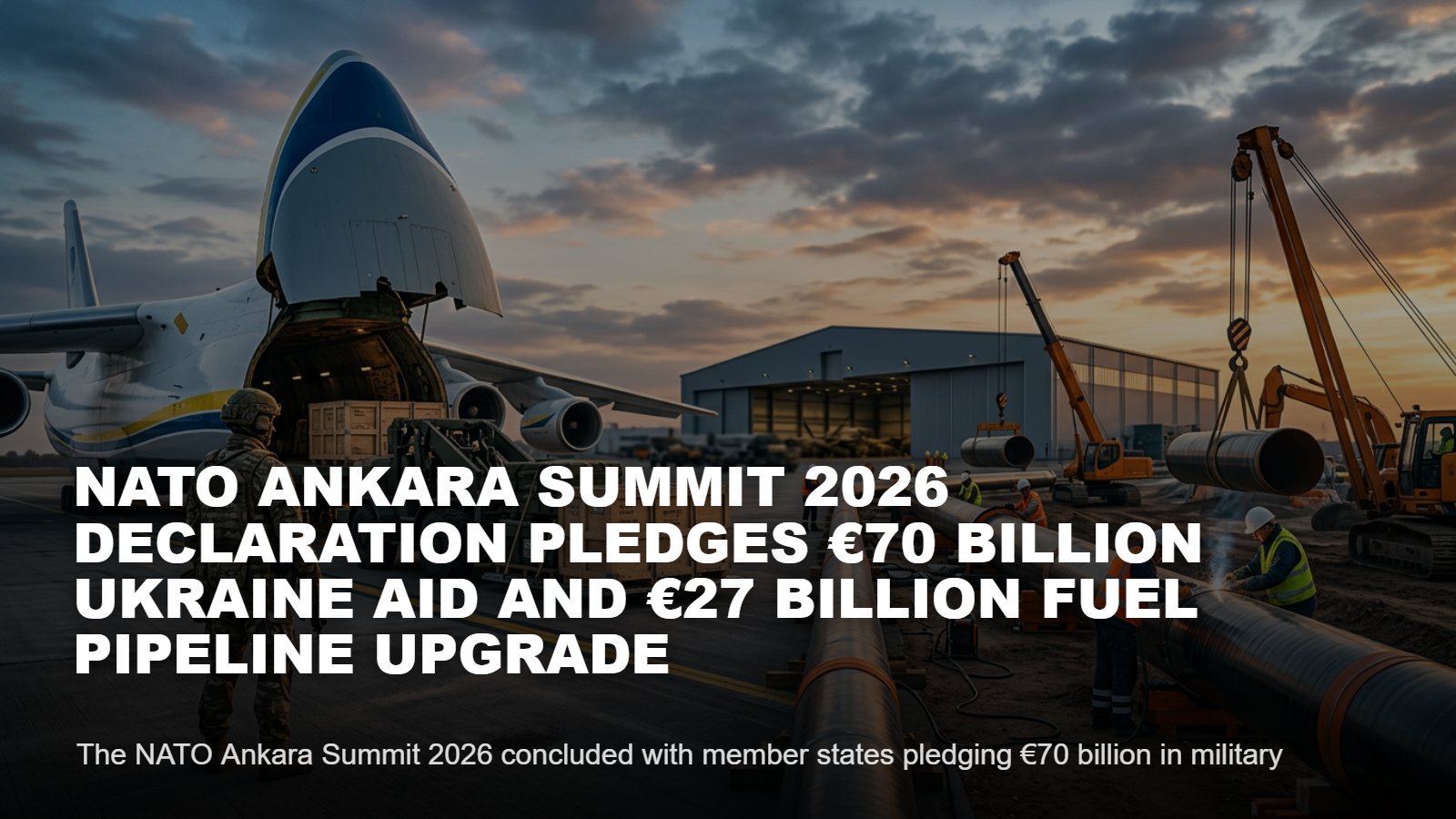
TL;DR — Read about the core outcomes of the NATO Ankara Summit 2026. NATO leaders approved €70 billion for Ukraine and launched a €27 billion logistics fuel network expansion.
 NATO Ankara Summit 2026 Outcomes: Leaders Unveil Historic Military Aid Packages and Eastern Flank Logistics Upgrades
The historic NATO Ankara Summit 2026 concluded on July 8, 2026, with allied heads of state formalizing major structural changes to the alliance's defensive framework. Spearheaded by Secretary General Mark Rutte, the member states approved a massive €70 billion military assistance package dedicated to supporting Ukraine through 2026, with a matching commitment for 2027. The summit also delivered a series of landmark defense procurement frameworks designed to permanently reshape the industrial and logistical capabilities of the transatlantic partnership.
Strategic Logistical Expansion and the €27 Billion Fuel Pipeline Upgrade
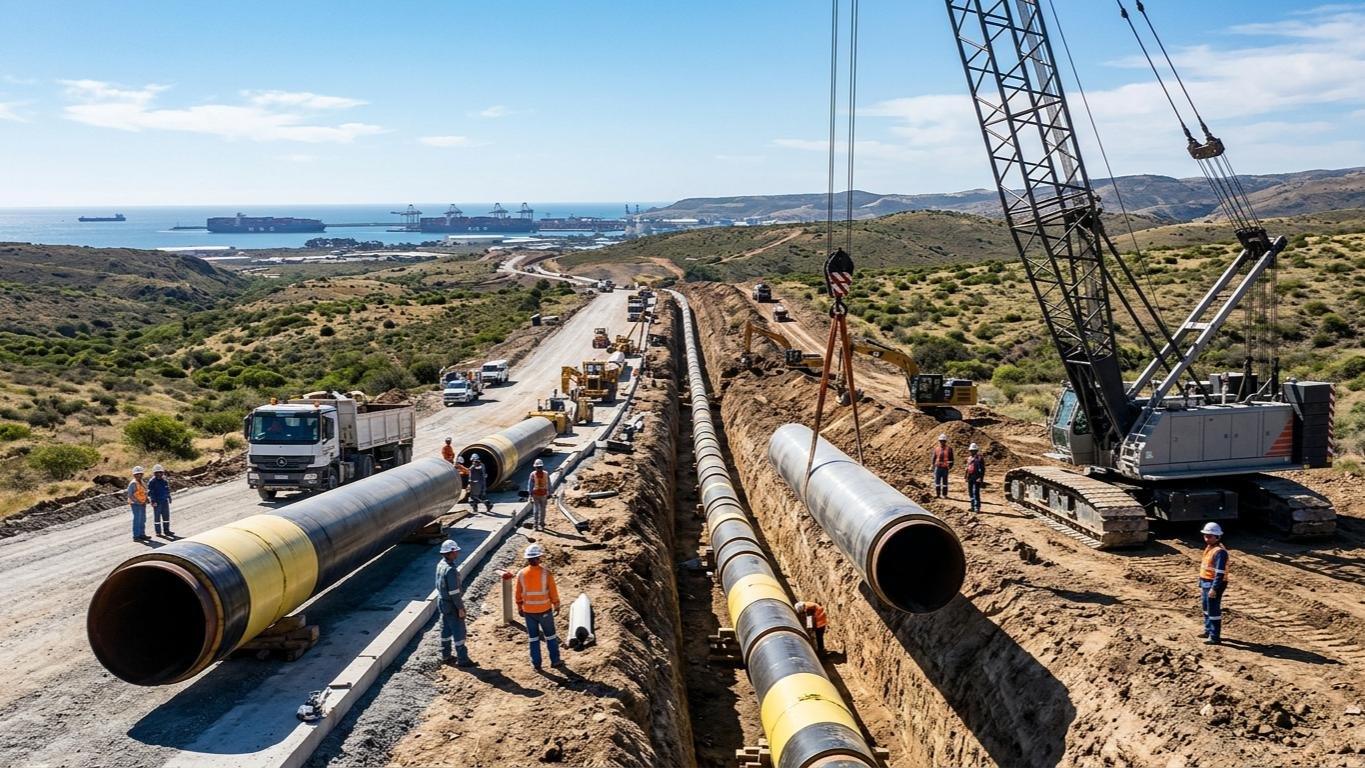
A core priority among the definitive NATO Ankara Summit 2026 outcomes is a historic initiative to dramatically modernise the alliance's long-term warfighting readiness and supply chains. Leaders officially approved a €27 billion infrastructure investment package specifically intended to overhaul existing fuel storage networks and distribution nodes.
The extensive project focuses heavily on constructing new, highly secure fuel pipelines stretching directly into the eastern part of the alliance. By linking central European reserves to frontline deployment sectors, NATO aims to guarantee that allied forces maintain uninterrupted access to energy supplies during active crises. This grid upgrade effectively removes deep-seated reliance on vulnerable civilian rail and commercial road tankers, which defense experts have long flagged as high-risk failure points in conventional military transport logistics.
Launching the $40 Billion Drone Edge Initiative
Recognizing that unmanned systems have fundamentally altered the character of modern tactical warfare, allied nations used the Ankara forum to launch the multi-billion-dollar Drone Edge Initiative. The project commands a dedicated investment of over $40 billion over the next five years, focusing equally on drone acquisition, counter-unmanned aircraft systems (C-UAS), and advanced technical training.
To bypass slow national bureaucracy, NATO will establish a centralized counter-drone marketplace. This platform allows member states to rapidly purchase defensive gear that has already undergone strict interoperability testing. Concurrently, the alliance aims to expand its drone operator training pipeline fivefold by the end of 2027, leveraging the unified structures of the NATO Flight Training Europe (NFTE) framework across its sixteen established flight centers.
 Additional Defense Industry Forum Deliverables
- Over $50 billion in freshly signed multinational procurement deals covering deep precision strike capabilities and integrated air defense shields.
- The activation of the "NATO Front Door for Industry," providing private commercial tech firms with a single point of entry to bid on sensitive defense contracts.
- The launch of the "NATO Engine" framework, a program designed to dynamically pool and accelerate manufacturing capacities across Europe, Canada, and the United States.
Key Facts
- Ukraine Military Aid: A guaranteed €70 billion package has been secured for military equipment, training, and logistical support in 2026, with an ironclad promise to sustain an equal funding baseline for 2027.
- Infrastructure Budget: The alliance committed €27 billion toward modernizing fuel infrastructure and building strategic pipelines to reinforce the Eastern Flank.
- Drone Investment: The Drone Edge framework dedicates $40 billion over five years to scale up counter-UAS capabilities and drone tech.
- Long-Term Spending Goals: Progress was reviewed regarding the landmark target set in The Hague to push allied defense expenditures toward 5% of national GDP by 2035.
What People Are Asking
- What did NATO decide regarding military investments at the July 2026 summit in Turkey?
- NATO leaders decided to allocate €70 billion in military assistance for Ukraine, invest €27 billion to upgrade fuel pipeline infrastructure toward the Eastern Flank, and launch a $40 billion Drone Edge Initiative to rapidly procure counter-drone technology and expand operator training.
- What is the NATO Drone Edge Initiative and how does it work?
- The Drone Edge Initiative is a $40 billion defense program designed to create a unified counter-drone marketplace. Rather than running separate national competitions, member countries can instantly buy pre-tested, compatible anti-drone systems. Complete texts can be read on the [NATO Official Updates Page] -> (Link to: Full text of the 2026 Ankara Summit Declaration and ministerial press briefings) for official documentation.