Sports
How Major League Soccer Prepared North America for the 2026 FIFA World Cup USA
By ExFunCity · 12 May 2026

TL;DR — Analyzing how MLS prepared host cities for the 2026 FIFA World Cup USA through stadium development and professional sports infrastructure.
 How Major League Soccer Prepared North America for the 2026 FIFA World Cup USA
With only weeks left before the opening whistle of the biggest tournament in sports history, all eyes are on North America. The 2026 FIFA World Cup USA, co-hosted with Canada and Mexico, will feature an expanded format of 48 teams. While many fans are excited about the matches, experts are looking at the massive role Major League Soccer (MLS) has played in ensuring the host cities are ready for the global stage. Over the last three decades, MLS has built the foundation that allows the United States to host such a massive event with ease.
World Class Stadiums and Training Facilities
One of the biggest advantages for the 2026 FIFA World Cup USA is the existing infrastructure provided by MLS clubs. Unlike previous hosts that had to build stadiums from scratch, the US already has a network of soccer-specific stadiums and high-tech NFL arenas. Cities like Atlanta, Seattle, and Los Angeles have spent years perfecting the match-day experience. These venues are already equipped with modern drainage systems, broadcast technology, and hospitality suites that meet strict FIFA stadium requirements.
The Messi Effect and Fan Engagement
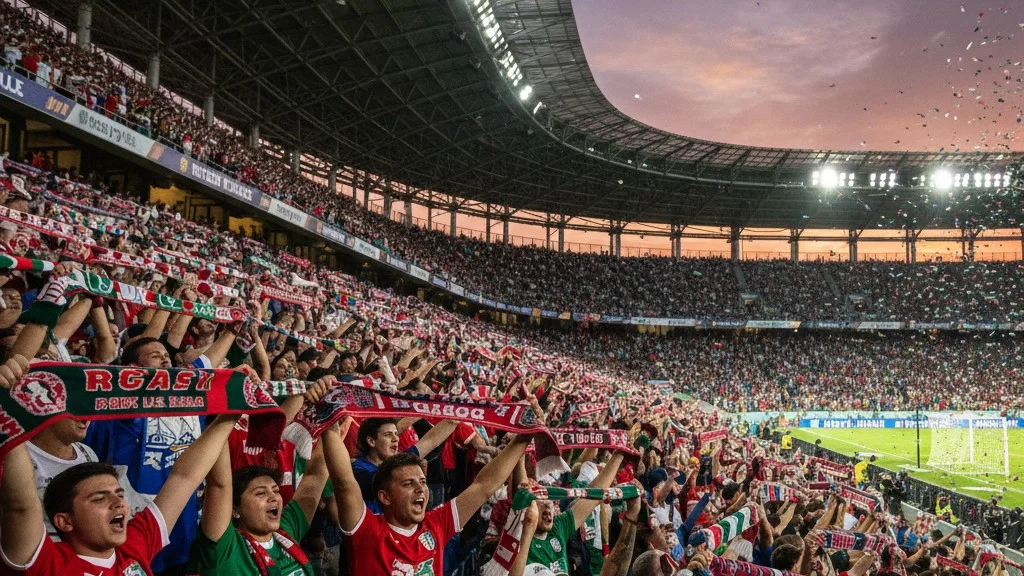
The arrival of [Lionel Messi at Inter Miami CF](https://www.espn.com/soccer/story/_/id/37815353/lionel-messi-join-inter-miami-everything-need-know) has acted as a massive marketing boost for the upcoming tournament. Soccer has moved from a secondary sport to a mainstream phenomenon in North America. This surge in popularity ensures that the 2026 FIFA World Cup USA will not show empty seats. The massive fanbases cultivated by MLS teams in host cities like Philadelphia and Miami provide a ready-made volunteer workforce and a passionate atmosphere that will welcome international visitors from Malaysia and beyond.
 Logistics and Transportation Hubs in Host Cities
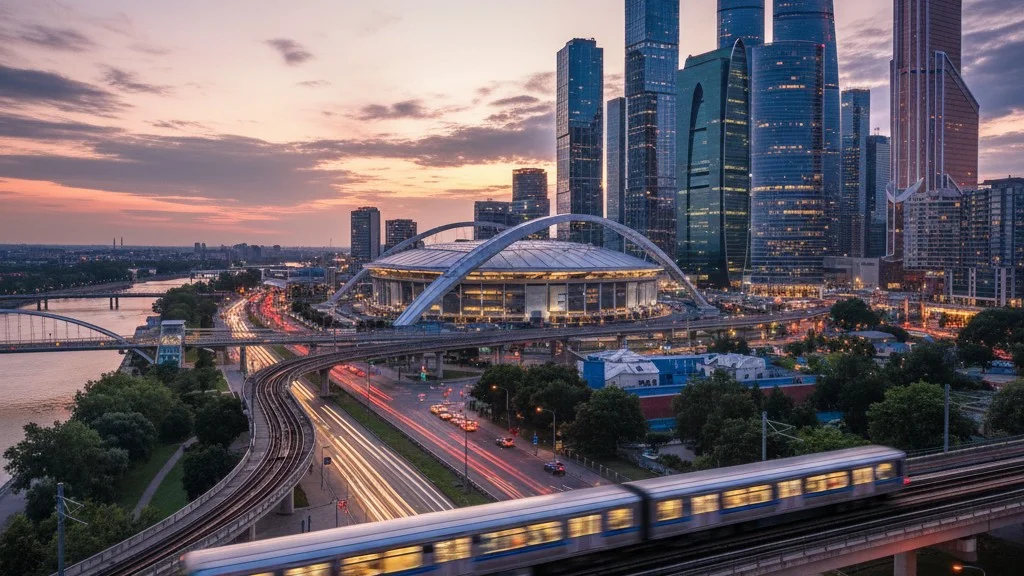
Hosting a 48-team tournament requires incredible logistical planning. MLS has helped 11 US host cities test their transportation and security protocols through high-stakes matches like the [MLS Cup Playoffs](https://www.mlssoccer.com/news/mls-cup-playoffs-format-details). These cities have upgraded their light rail systems and airport capacities to handle the influx of millions of fans. Key highlights of the infrastructure preparation include:
- State-of-the-art training centers used by MLS teams now serving as base camps for national teams.
- Advanced security intelligence and crowd management systems tested during league matches.
- Upgraded public transit links between city centers and suburban stadiums.
- Expanded hotel capacity and tourism services in major hubs like New York and Dallas.
Economic Impact and Local Preparedness
The economic preparation for the 2026 FIFA World Cup USA is expected to generate billions in revenue. According to a report by the Boston Consulting Group, the tournament could create over 40,000 jobs. For Malaysian travelers planning to attend, this means a more organized and professional experience. The host cities are not just sports centers; they are prepared to handle international tourism, offering diverse food, culture, and ease of travel across the three host nations.
A Legacy Beyond the Final Match
The 2026 FIFA World Cup USA is more than just a month of football; it is the culmination of years of growth driven by Major League Soccer. The league has provided the blueprint for how to sustain professional soccer in a massive market. When the final whistle blows at MetLife Stadium for the final, the legacy will be a permanent shift in how North America views the world's game. For fans globally, this means the US is no longer a newcomer to soccer, but a global powerhouse ready to host the world.