News
Malaysian Consumers Raise Alarm Over Sneaky Shrinkflation in Daily Grocery Staples
By ExFunCity · 8 Jul 2026

TL;DR — Shrinkflation hits Malaysian supermarket shelves hard in 2026. Consumers report hidden price hikes on local food staples as KPDN intensifies monitoring.
 Malaysian Consumers Raise Alarm Over Sneaky Shrinkflation in Daily Grocery Staples
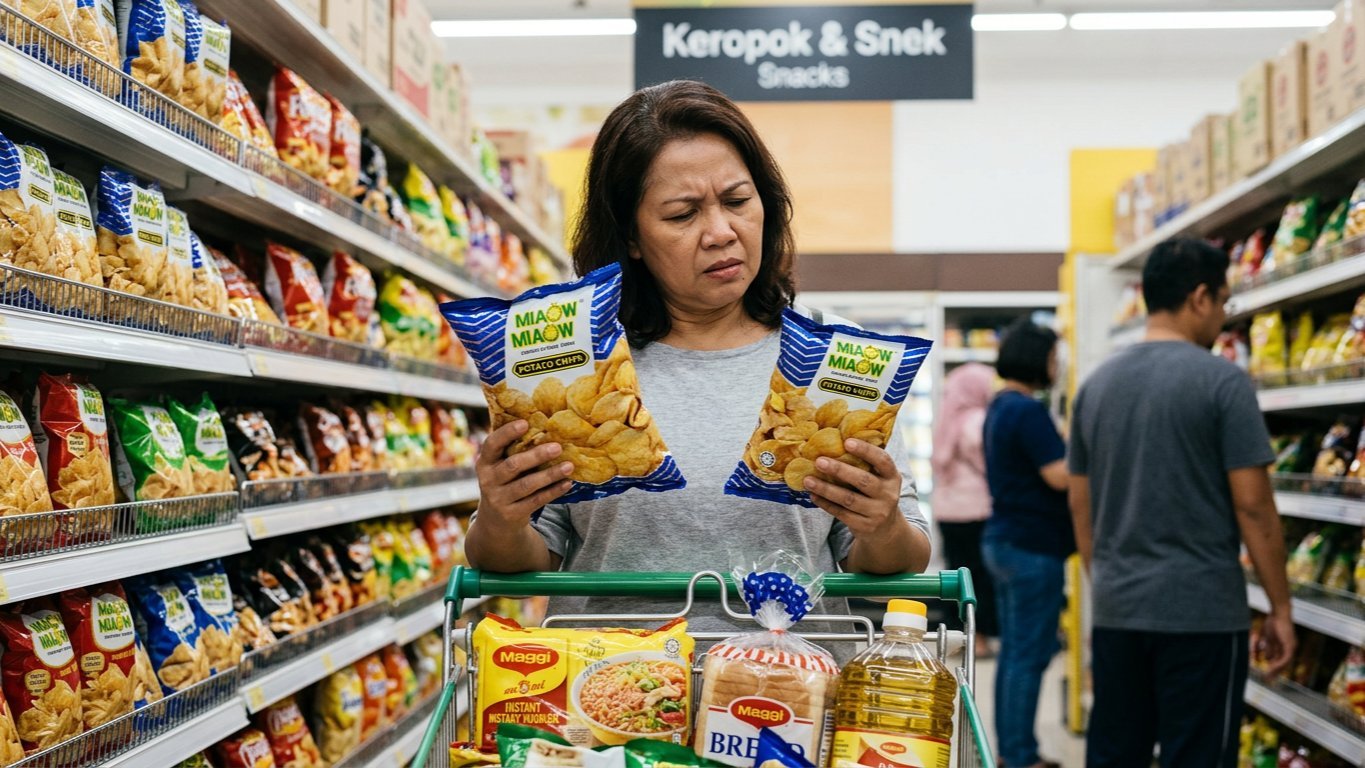
Lately, Malaysian consumers are expressing immense frustration across social media platforms as they notice a distinct reduction in the physical volume of everyday household goods. This phenomenon, widely known as grocery shrinkflation Malaysia, involves manufacturers quietly reducing the weight or volume of products while keeping the retail price exactly the same, or in some instances, raising it.
Shoppers Detect Hidden Price Hikes on Supermarket Shelves
From local retail outlets in Puchong to large hypermarkets across the Klang Valley, everyday shoppers are noticing that their monthly grocery budgets are buying far less food. Essential food staples such as chocolate powders, cream crackers, bottled cooking oils, and packaged laundry detergents have quietly lost between 10 to 20 percent of their net weight over the past year.
Many domestic consumers feel these modifications represent a deceptive form of inflation. For instance, a standard packet of popular local biscuits that previously weighed 250 grams has been downsized to 220 grams, yet the price at checkout remains stuck at RM4.50. This structural downsizing forces working-class families, particularly within the lower-income brackets, to spend significantly more to secure the same volume of daily necessities.
Production Costs and Ringgit Fluctuations Drive Downsizing
Industry experts point out that local food manufacturers are facing tight profit margins due to persistent global supply chain shocks and high import costs for raw ingredients like cocoa, wheat, and dairy. Instead of introducing direct price increases that could turn shoppers away, companies resort to subtle packaging adjustments to shield their bottom line.
Roadside dining alternatives have similarly felt the ripple effects of raw material inflation. The cost of running low-cost meal initiatives has expanded rapidly, causing roadside mixed rice prices to hover between RM10 and RM15 per plate. To avoid hitting a psychological price ceiling, small businesses choose to serve smaller protein portions rather than altering their printed menus.
KPDN Steps Up Enforcement Action and Urges Public Complaints
The Ministry of Domestic Trade and Cost of Living (KPDN) has actively deployed its enforcement wing under ongoing market monitoring initiatives like Ops Kesan to monitor for instances of unjust pricing and hidden profiteering. While authorities note that direct product downsizing is legally permissible if the modified weight is printed accurately on the packaging, deceptive pricing tactics remain strictly prohibited.
The ministry urges local consumers to bypass social media venting and file official complaints immediately when encountering suspicious or rapid market adjustments. Official enforcement teams utilize real-time price monitoring data to conduct regular field inspections on manufacturers and retail spaces to ensure market practices remain fair.
 Practical Spending Adjustments for Malaysian Families
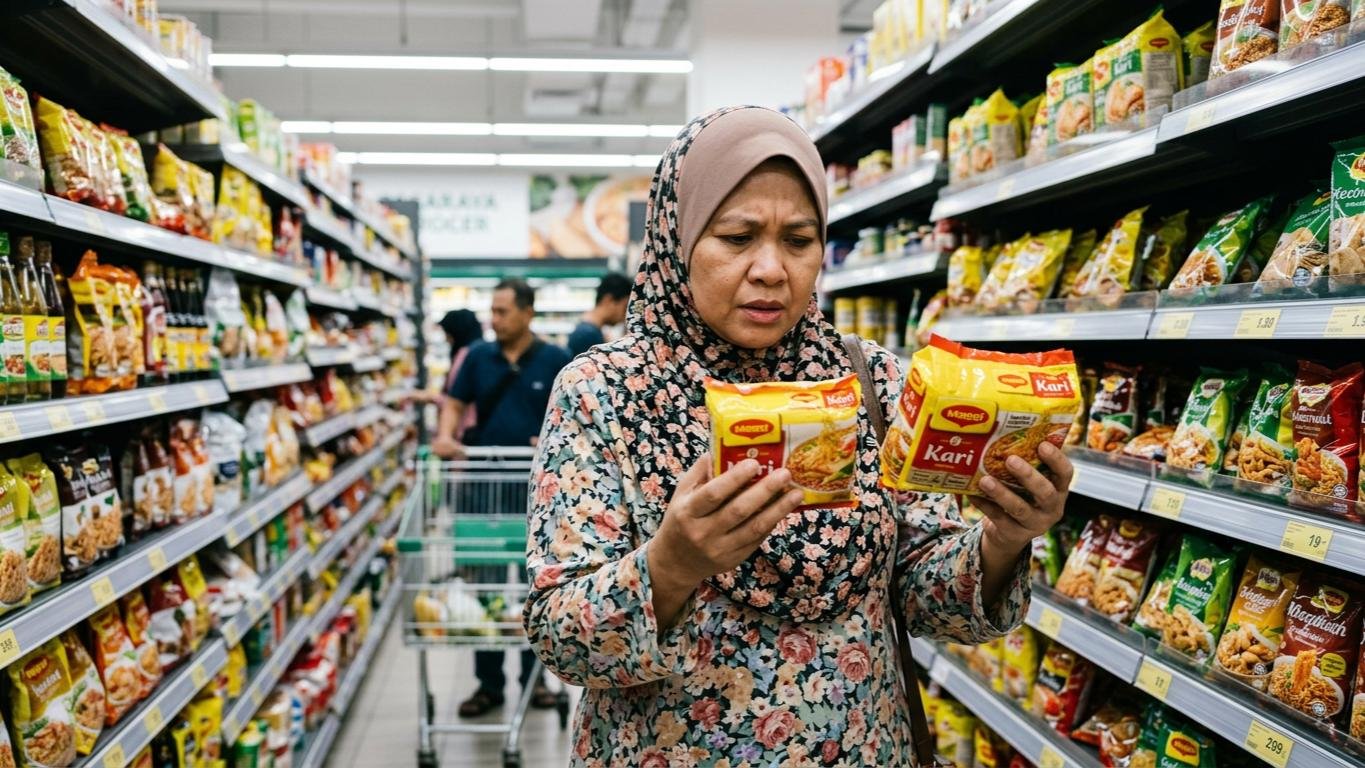
As purchasing power experiences continued strain, consumer associations suggest shifting buying habits to offset hidden expenses. Reviewing the unit cost per gram rather than looking only at the retail price tag allows buyers to compare true value accurately. Choosing internal supermarket house brands often yields considerable savings compared to heavily advertised commercial brands.
For official updates on consumer rights protection and active pricing regulations, individuals can access the Ministry of Domestic Trade and Cost of Living Portal: the official government platform for KPDN public lodging services and supply updates.
Key Facts
- Downsize Margins: Local product sizes have seen volume reductions ranging from 10 to 20 percent on selected food and household staples.
- Price Stagnation: Retail prices remain unchanged or increase despite the reduced volume, accelerating real household costs.
- Enforcement Checks: KPDN employs Ops Kesan tracking protocols to counter illegal corporate profiteering and price manipulation.
- Staples Affected: Product adjustments are observed primarily in high-turnover goods like biscuits, cooking oils, and detergents.
What People Are Asking
- What does grocery shrinkflation mean in Malaysia?
- It refers to manufacturers reducing the net weight or quantity of a retail item while keeping its store price completely unchanged.
- Is it legal for companies to practice shrinkflation?
- Yes, it is legal provided the manufacturer accurately prints the updated net weight on the outer label of the packaging.
- How can I report unfair pricing or hidden price increases to KPDN?
- Consumers can file formal complaints through the official KPDN e-Aduan portal or via their institutional WhatsApp complaint hotline.
For an in-depth analytical look at how changing operational costs and global supply issues continue to impact local grocery pricing structures, you can view this Malaysia economic cost report. This summary provides context regarding localized supply adjustments and retail distribution challenges.