News
Malaysia Tightens Fuel Subsidy Rules and Steps Up Border Enforcement
By ExFunCity · 9 Apr 2026
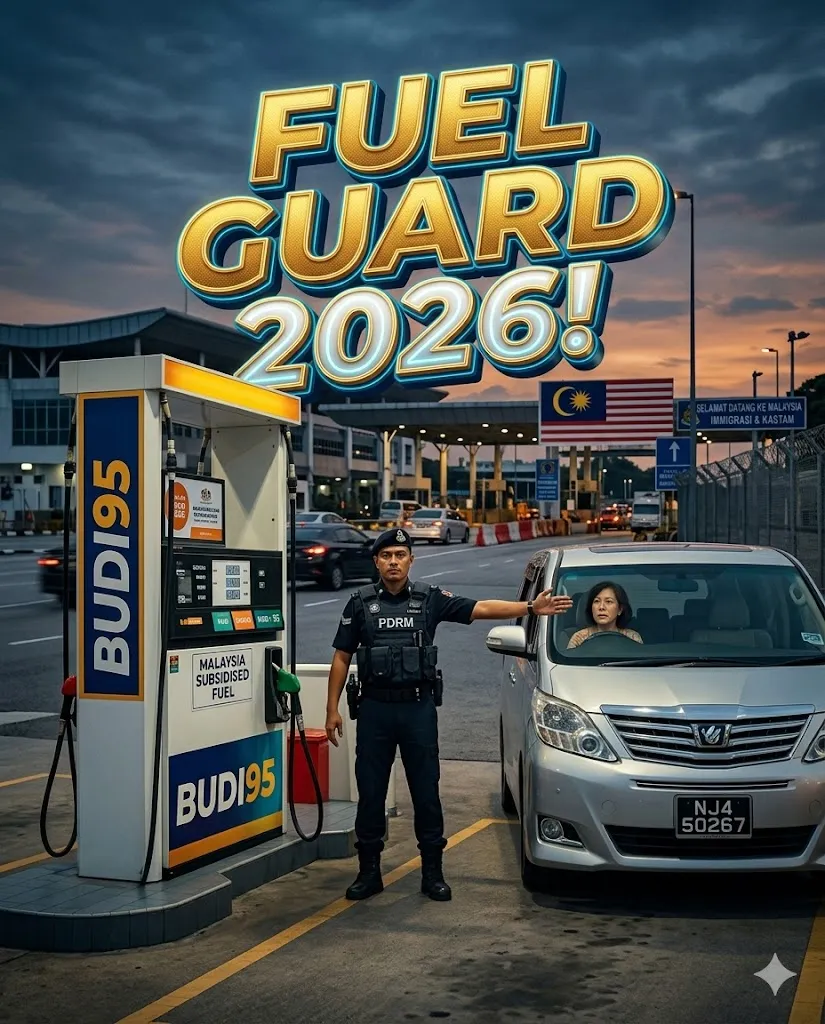
TL;DR — Malaysia cuts BUDI95 fuel cap to 200L and sends police to borders to curb fuel smuggling. Subsidised RON95 remains RM1.99 despite global price surges.
Malaysia Tightens Fuel Subsidy Rules and Steps Up Border Enforcement
As global oil prices continue to fluctuate due to tensions in West Asia, the Malaysian government has taken decisive action to protect the country’s fiscal health. Starting this month, the Ministry of Finance has officially adjusted the monthly quota for the BUDI95 fuel subsidy. This move is paired with a massive new enforcement operation at the nation's borders to stop fuel smuggling. While the price of subsidised RON95 remains steady for eligible Malaysians, the government is making it clear that leakages and abuse of the system will no longer be tolerated. These changes are part of a broader strategy to ensure that help only reaches those who truly need it.
New BUDI95 Subsidy Cap for April 2026
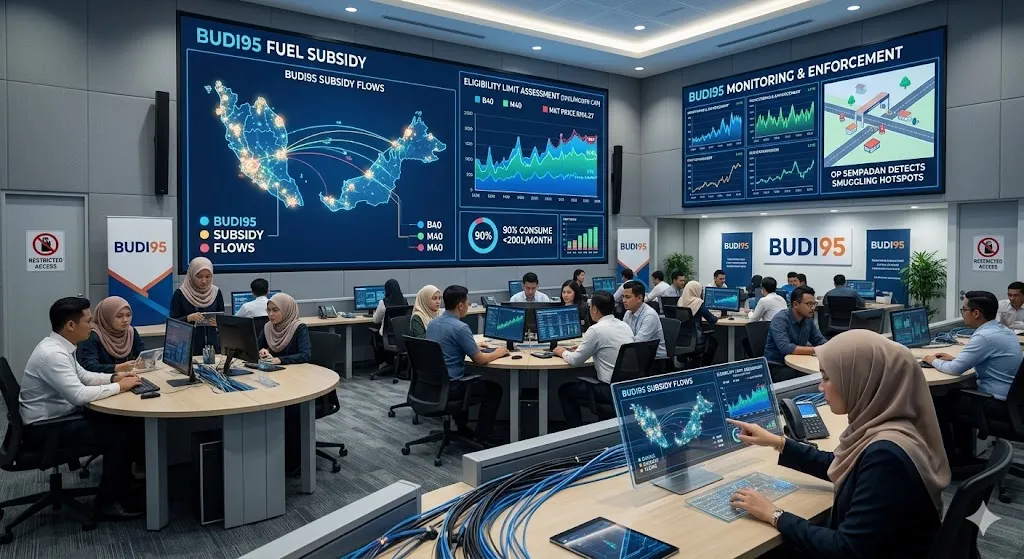
The most significant change for Malaysian drivers is the reduction of the BUDI95 monthly subsidy cap. The eligibility limit has been lowered from 300 litres to 200 litres per month. The government explains that this is a temporary measure to manage the rising cost of subsidies, which has surged as global crude oil prices stay elevated. Official data shows that nearly 90% of eligible Malaysians consume less than 200 litres of fuel a month, meaning most households will not feel the impact of this cut.
Key details of the current fuel pricing and aid include:
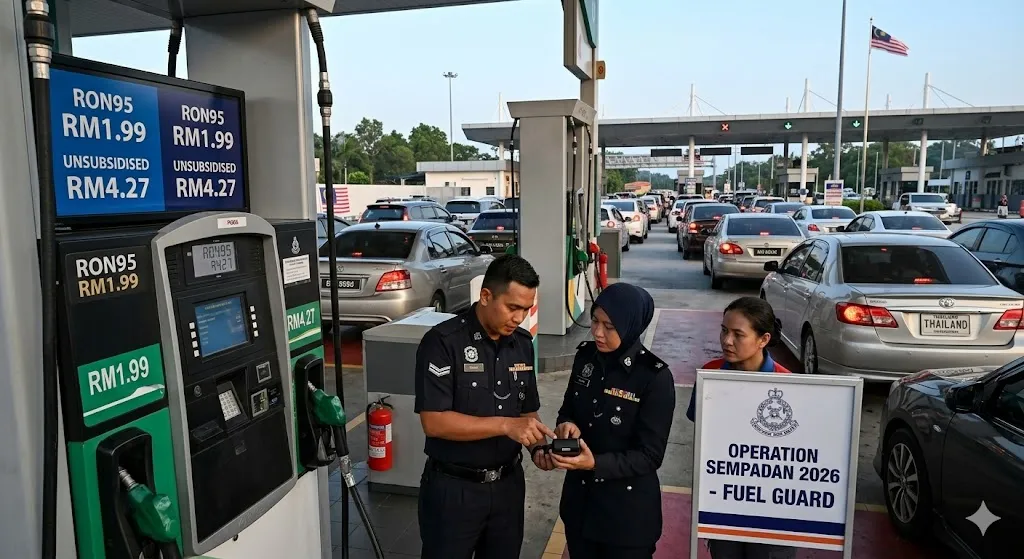
- Subsidised RON95 (BUDI95) price: Fixed at RM1.99 per litre.
- Unsubsidised RON95 price: Recently increased to RM4.27 per litre.
- BUDI Diesel Cash Aid: Maintained at RM300 per month for eligible recipients.
- E-hailing quota: Remains unchanged at 800 litres per month to support transport workers.
Police Deployment at Borders to Stop Smuggling
To complement the new subsidy limits, the government has launched a strict crackdown on fuel smuggling at border areas. Chief government spokesperson Fahmi Fadzil announced that police officers will now be stationed at petrol stations near national borders. This follows reports of foreign-registered vehicles and local syndicates attempting to buy large quantities of subsidised RON95 using stolen identity cards or illegal containers.
Authorities are also looking at the "Brunei Model," where vehicles entering the country must have at least a three-quarter full tank. This prevents visitors from entering Malaysia solely to fill up on cheap, subsidised fuel. By placing a physical police presence at the pumps, the government aims to send a strong message that Malaysia’s resources are for Malaysians.
Stricter Penalties for Station Operators
It isn't just the smugglers under watch; petrol station operators are also being held accountable. Recent court cases have seen operators charged for allowing foreign-registered cars to pump subsidised fuel. The Ministry of Domestic Trade and Cost of Living (KPDN) has warned that any station found neglecting these rules could face heavy fines or have their business licenses revoked immediately.
Global Oil Volatility and the Ceasefire Impact
The government’s cautious approach comes even as a temporary ceasefire in the Middle East has brought some relief to global markets. While Brent crude prices dipped slightly following the truce, Malaysia’s retail prices are calculated based on weekly averages rather than daily changes. This means consumers are still seeing the effects of the high prices from previous weeks, where supply costs reached record highs.
The Ministry of Finance clarified that even though global prices may show signs of cooling, the government must remain vigilant. The subsidy bill for petrol and diesel recently reached an estimated RM4 billion per month. By tightening the BUDI95 cap and stopping smuggling, the government hopes to reduce this burden and use the saved funds for other public projects like education and healthcare.
Supporting the B40 and M40 Groups
Despite the tighter rules, the government remains committed to shielding lower and middle-income groups. The interim increase in the BUDI Diesel aid to RM300 is a prime example of this support. This cash assistance helps farmers, small-scale traders, and individual diesel vehicle owners cope with the higher market rates for diesel. For most RON95 users, the RM1.99 price point remains one of the lowest in the ASEAN region, second only to Brunei.
Looking forward, the government will continue to monitor the global energy situation. If tensions ease further and oil prices stabilize, there is a possibility that the 300-litre cap could be restored. For now, Malaysians are encouraged to use fuel efficiently and report any suspicious activity at petrol stations to the authorities to help preserve the national subsidy pool.