News
Malaysia Haze Crisis: Indonesia Opens Airspace for Cloud-Seeding Operations
By ExFunCity · 24 Aug 2026
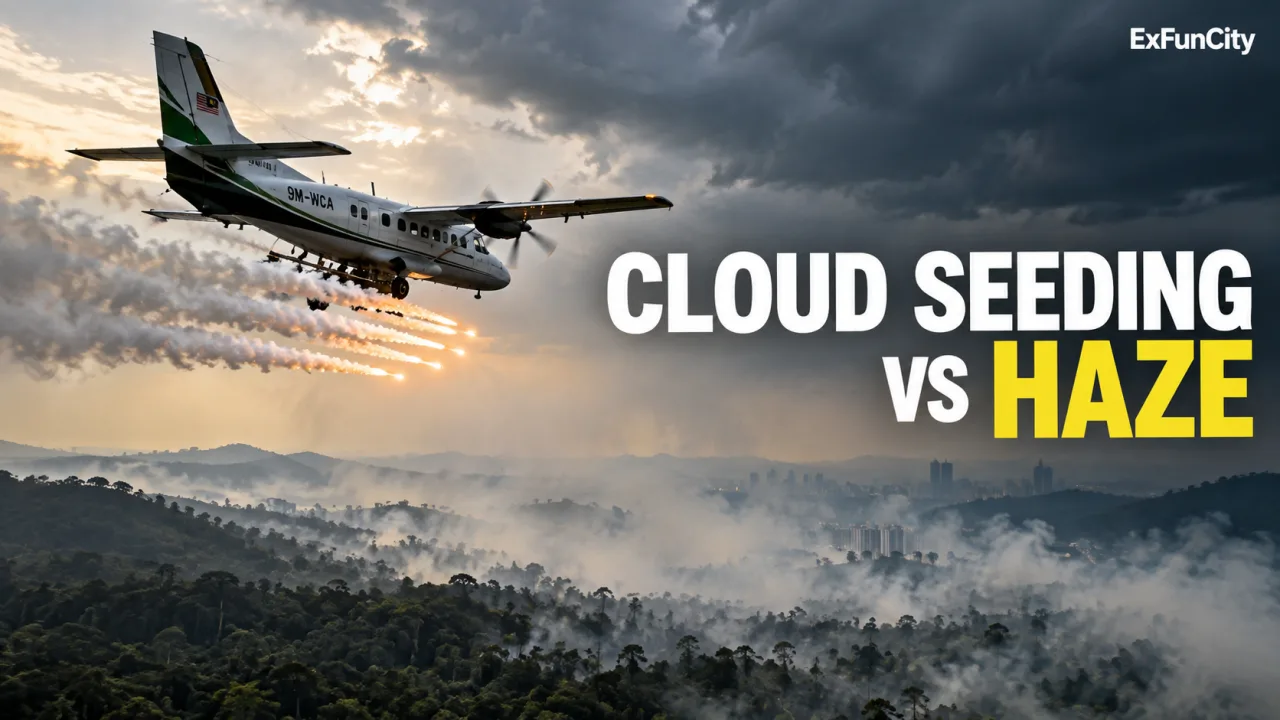
TL;DR — Malaysia and Indonesia step up cooperation to tackle the 2026 haze crisis, with Malaysian agencies allowed to conduct cloud seeding inside Indonesian airspace.
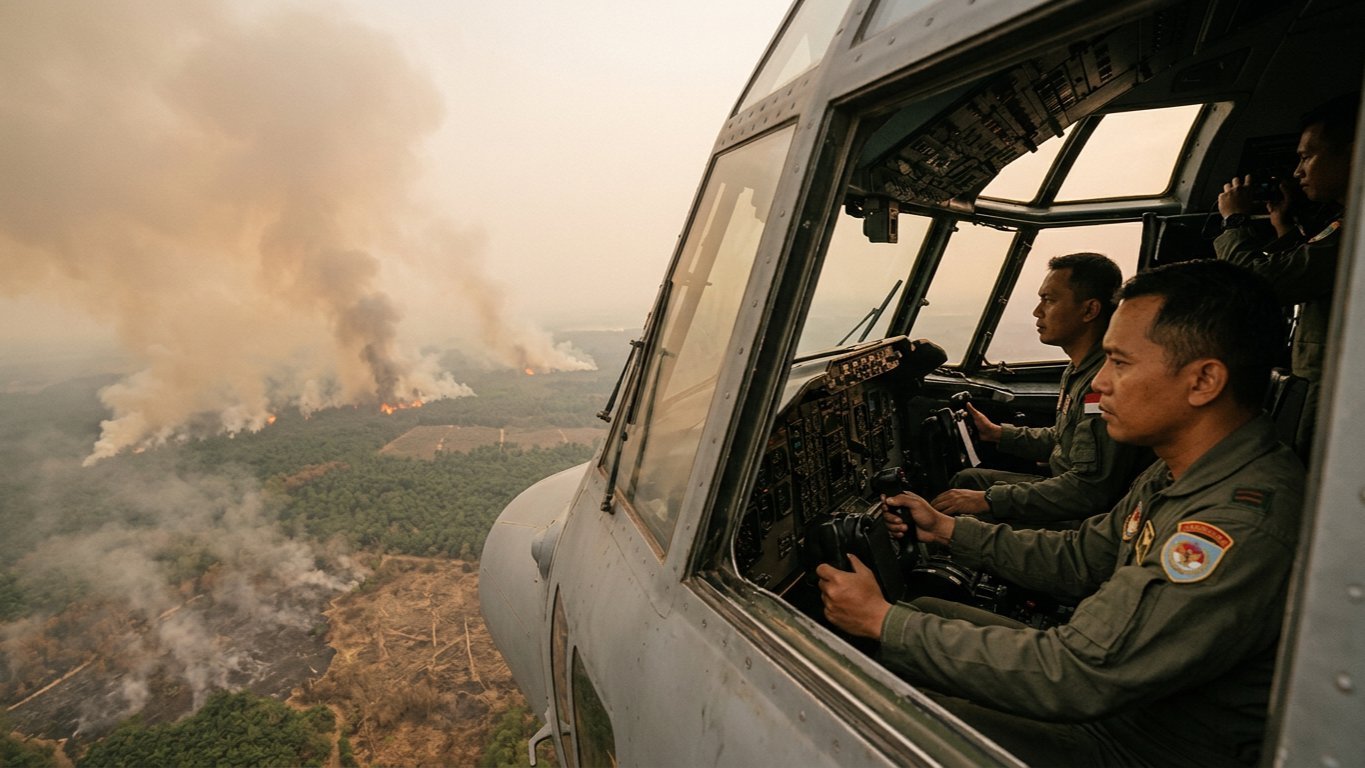 Malaysia Haze 2026: Indonesia Opens Airspace for Cloud-Seeding Operations
Malaysia is stepping up efforts to tackle the Malaysia haze 2026 crisis after Indonesia granted Malaysian agencies official permission to enter its airspace for cloud-seeding operations. The move comes as forest and land fires in several Indonesian provinces continue producing smoke that has crossed into Malaysia. The latest cooperation involves Malaysia's National Disaster Management Agency and Meteorological Department, which are preparing schedules for cloud-seeding operations around shared border areas.
Indonesia Allows Malaysian Cloud-Seeding Aircraft
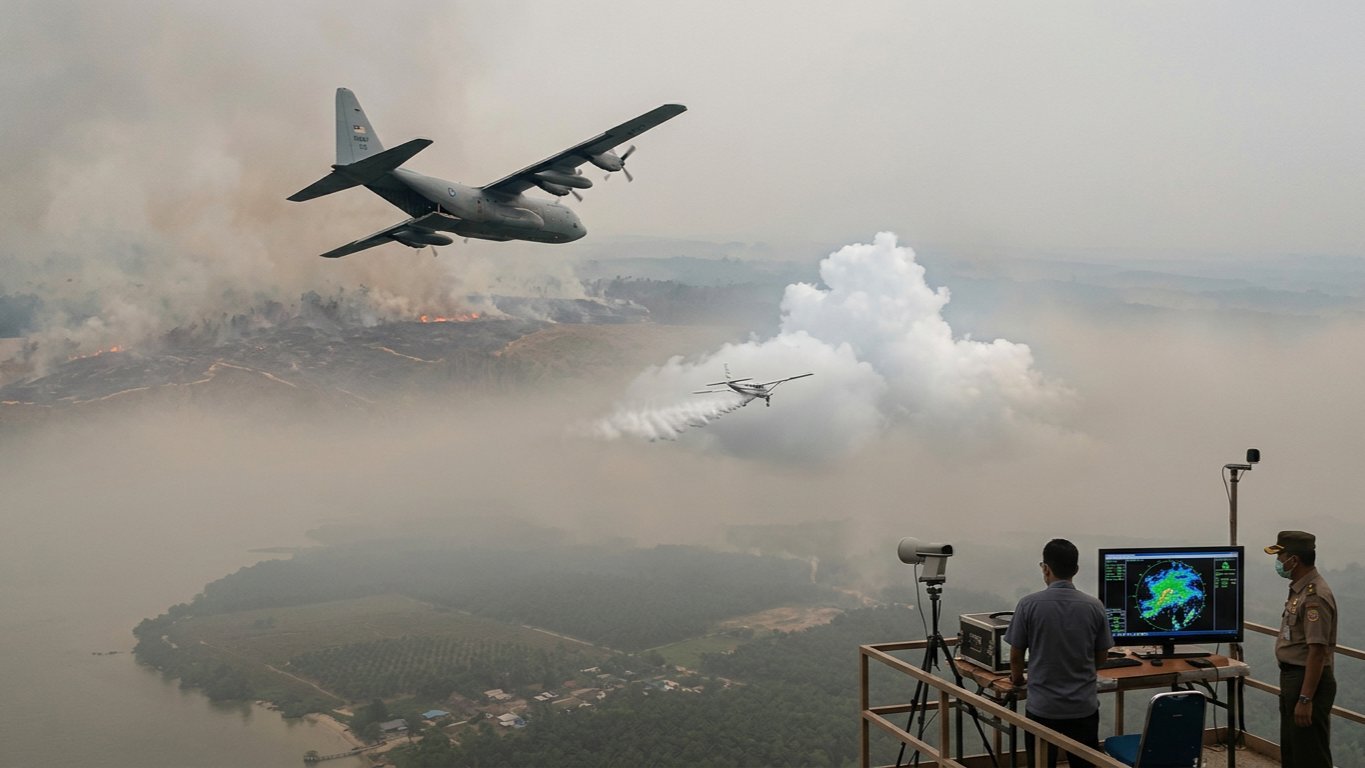
Natural Resources and Environmental Sustainability Minister Arthur Joseph Kurup said Indonesia had given Malaysia permission to conduct cloud seeding within Indonesian airspace. The operations will be coordinated with the Indonesian military and are intended to encourage rainfall in areas affected by the ongoing fires and haze. Malaysia has also offered to assist Indonesia with firefighting efforts if additional support is requested.
Haze Continues to Affect Malaysia
Sarawak has been among the Malaysian areas most affected by the latest haze episode because of its proximity to Indonesia's Kalimantan region. Recent air-quality readings showed several Malaysian locations reaching unhealthy levels. Serian recorded an API reading of 197, while Kuching recorded 185, according to figures reported on August 23. An API reading between 101 and 200 is classified as unhealthy.
Health Concerns Rise as Air Quality Worsens
The health impact is becoming increasingly significant. Malaysia's Health Ministry reported that asthma cases monitored through its surveillance system increased from 61 to 219 between epidemiological weeks 32 and 33, representing a 259% rise. Upper respiratory tract infection cases also increased from 1,637 to 3,674 during the same period.
Health authorities have advised people, particularly those with respiratory conditions, to reduce unnecessary outdoor exposure during hazy conditions.
Malaysia and Indonesia Intensify Cooperation
The latest cloud-seeding agreement reflects a broader effort by both countries to address transboundary haze.
Indonesia is continuing ground and aerial firefighting operations across several fire-affected provinces, while authorities investigate suspected cases linked to forest and land fires. Malaysia and Indonesia are also expected to strengthen fire prevention and monitoring efforts ahead of major national celebrations in the coming weeks.
Key Facts
Indonesia has granted Malaysian agencies permission to enter its airspace for cloud seeding.
Malaysia is preparing cloud-seeding schedules around shared border areas.
Sarawak remains among the Malaysian regions significantly affected by the haze.
Serian recorded an API reading of 197 in recent monitoring.
Malaysia recorded a 259% increase in monitored asthma cases between epidemiological weeks 32 and 33.
What People Are Asking
Why is Malaysia experiencing haze in 2026?
The current haze is linked mainly to forest and land fires in Indonesia, with smoke crossing national borders.
Will cloud seeding immediately clear the haze?
Cloud seeding is intended to encourage rainfall that can help suppress fires and improve conditions, but its effectiveness depends on suitable atmospheric conditions.
Which Malaysian areas are most affected?
Sarawak has been particularly affected, although unhealthy air-quality readings have also been recorded in parts of Kedah and Perak.
What should Malaysians do during hazy conditions?
People should monitor official air-quality readings, limit unnecessary outdoor exposure and follow health authorities' advice, especially if they have respiratory symptoms or conditions.