News
Malaysia Haze 2026: Asthma Cases Surge 259% as Air Quality Worsens
By ExFunCity · 24 Aug 2026
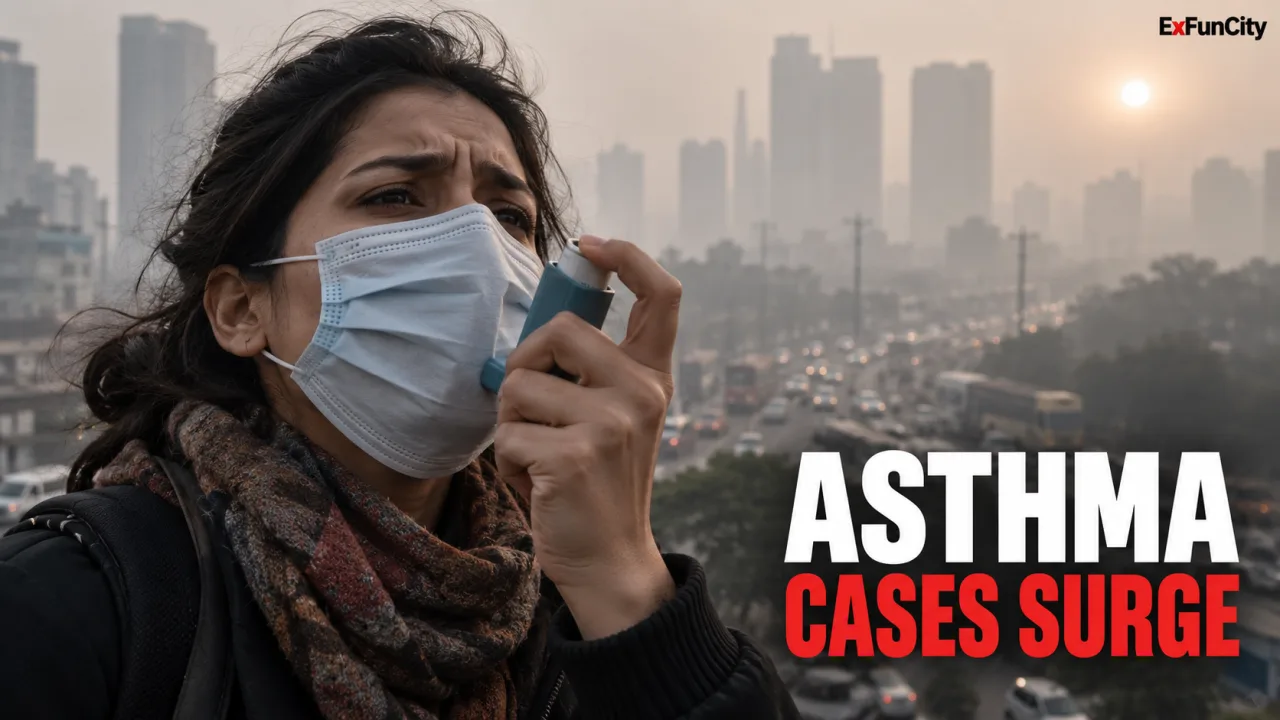
TL;DR — Malaysia haze 2026 triggers a 259% surge in asthma cases and 124% rise in respiratory infections as several areas record unhealthy API levels.
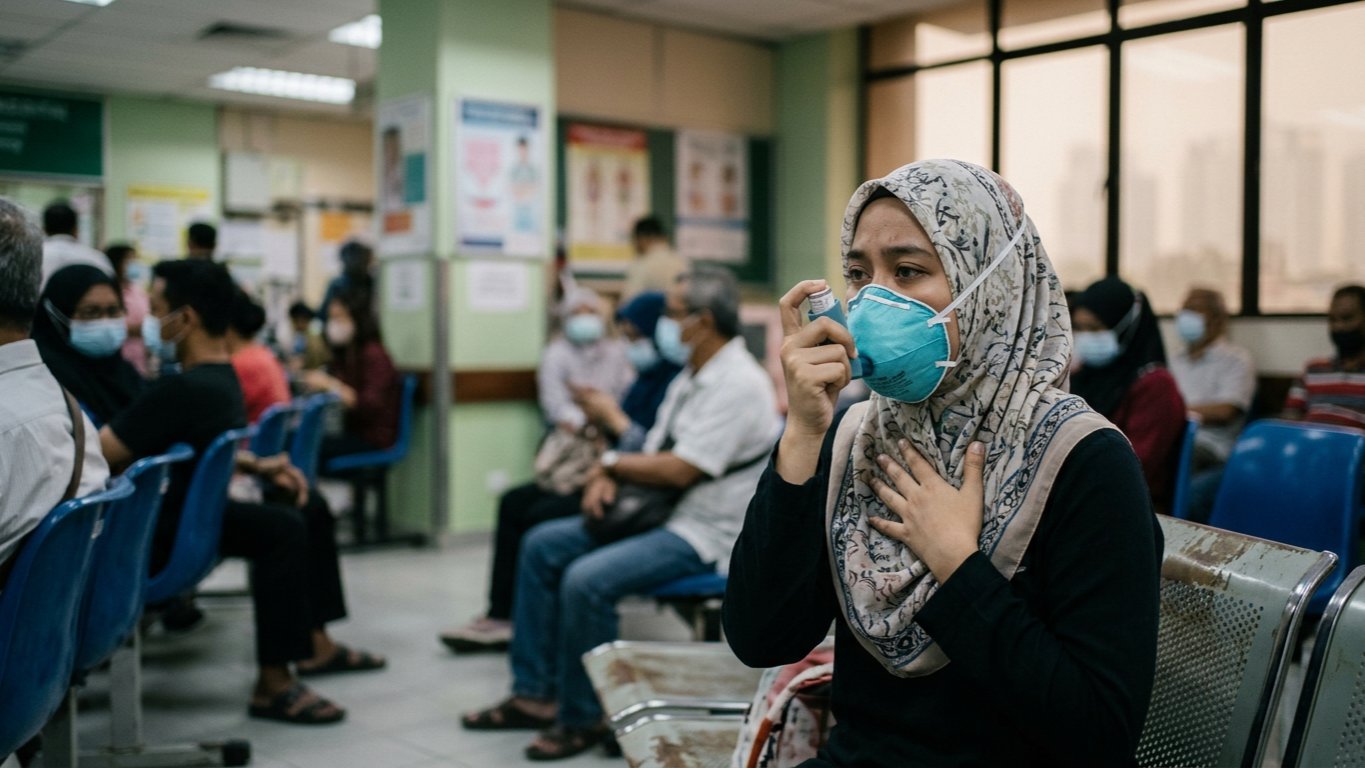 Malaysia Haze 2026: Asthma Cases Surge 259% as Air Quality Worsens
The Malaysia haze 2026 situation is becoming a growing public health concern after the Ministry of Health reported a sharp increase in respiratory illnesses while several locations continued to experience unhealthy air quality.
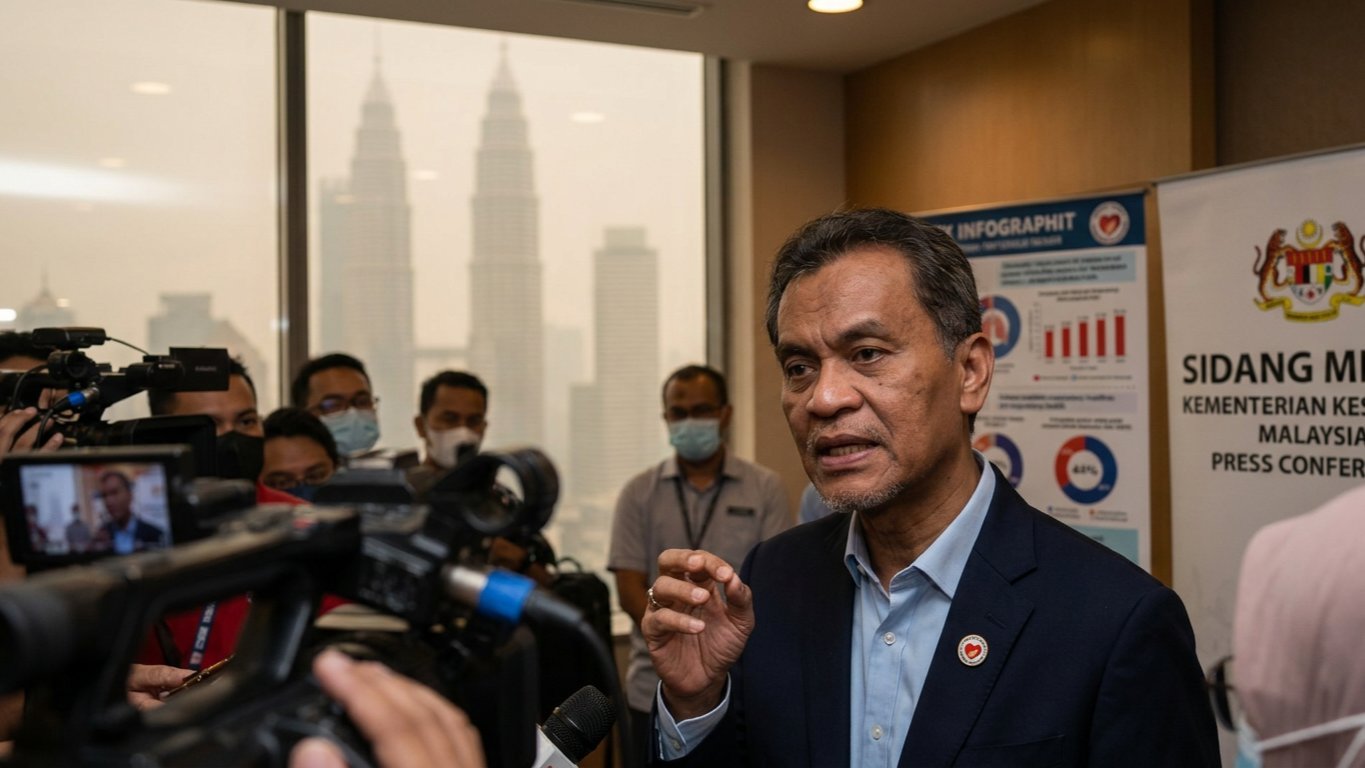
Health Minister Datuk Seri Dr Dzulkefly Ahmad said asthma cases increased by 259% between epidemiological weeks 32 and 33, while upper respiratory tract infection (URTI) cases climbed by 124%.
The latest figures highlight how prolonged exposure to poor air quality can affect Malaysians, particularly children, senior citizens and people with existing heart or respiratory conditions.
Asthma and Respiratory Cases Rise Sharply
According to the Health Ministry, asthma cases increased from 61 to 219, while reported URTI cases rose from 1,637 to 3,674 during the monitored period.
Conjunctivitis cases moved in the opposite direction, falling slightly from 157 to 146 cases.
The health figures come as haze continues to affect different parts of Malaysia, raising concerns over prolonged exposure to polluted air.
People experiencing breathing difficulties, persistent coughing or other serious respiratory symptoms are advised to seek medical attention.
[Ministry of Health haze advice] -> (Link to: official Malaysia Ministry of Health guidance on haze and respiratory health)
Which Areas Are Affected by the Malaysia Haze?
On the morning of August 23, seven areas were recording unhealthy Air Pollutant Index readings.
Sarawak was among the worst affected, with readings reported in:
- Serian: 197
- Kuching: 185
- Sri Aman: 178
- Samarahan: 176
- Sarikei: 128
Sungai Petani in Kedah and Taiping in Perak both recorded API readings of 126 at the time.
Conditions changed throughout the day. By 5pm, Sungai Petani had reached 153 while Johan Setia recorded 160. Serian remained the most affected location reported at 186, followed by Kuching at 176.
API readings change hourly, meaning Malaysians should check current conditions before making outdoor plans.
 What Do Malaysia's API Levels Mean?
Malaysia's API categories are:
- 0–50: Good
- 51–100: Moderate
- 101–200: Unhealthy
- 201–300: Very Unhealthy
- Above 300: Hazardous
What Should Malaysians Do During Haze?
Health authorities have advised people, especially higher-risk groups, to reduce strenuous outdoor activities when air quality deteriorates.
Recommended precautions include:
- Check API readings before going outdoors
- Reduce strenuous outdoor exercise
- Drink sufficient water
- Avoid smoking and smoky environments
- Use appropriate respiratory protection when necessary
- Seek treatment if serious symptoms develop
Key Facts
- Asthma cases increased 259%, from 61 to 219.
- URTI cases increased 124%, from 1,637 to 3,674.
- Several Malaysian locations continued recording unhealthy API readings over the weekend.
- Sarawak remained one of the areas most affected by the haze.
- Malaysia's air quality is monitored through 68 monitoring stations, with API readings updated hourly.
What People Are Asking
Is the Malaysia haze 2026 dangerous?
Unhealthy API levels can pose health risks, particularly to children, elderly people and those with heart or respiratory conditions. The sharp rise in asthma and URTI cases has increased health concerns.
Where is the haze worst in Malaysia?
Recent readings showed some of the highest API levels in Sarawak, including Serian, Kuching, Samarahan and Sri Aman, although conditions can change hourly.
Should I exercise outdoors during the haze?
Health authorities recommend reducing strenuous outdoor activities when API readings reach unhealthy levels, particularly for people in higher-risk groups.
Where can I check Malaysia's API today?
Malaysians can use the official Air Pollutant Index Management System to check updated air quality readings before travelling or participating in outdoor activities.