News
Malaysia Hailed as Global Leader in Disaster Management as FBM KLCI Hits 1,723
By ExFunCity · 24 Apr 2026

TL;DR — Malaysia recognized as a global leader in disaster management. Bursa Malaysia gains to 1,723.34 amidst West Asia energy spikes. April 24, 2026 update.
Malaysia Hailed as Global Leader in Disaster Management as FBM KLCI Hits 1,723
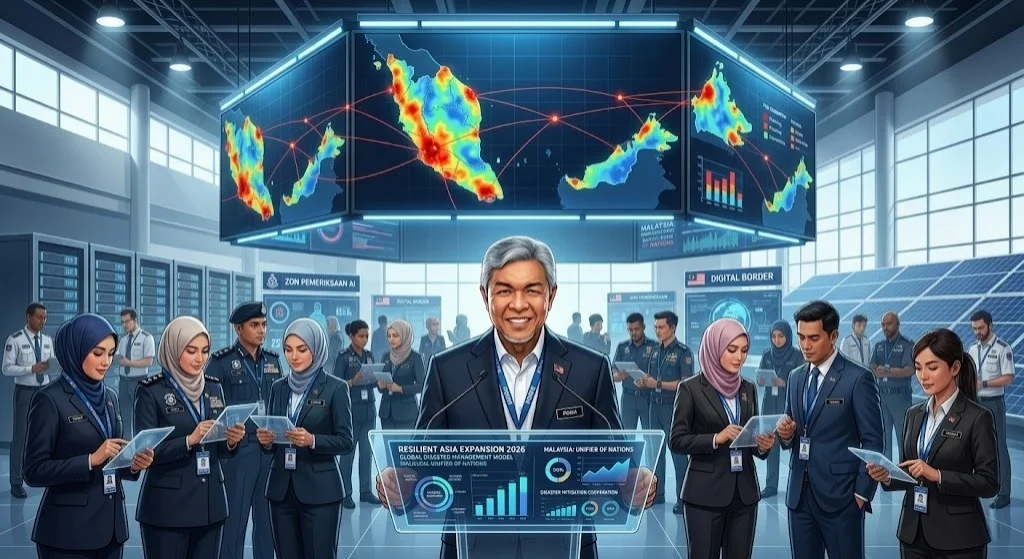
In a day defined by international recognition and economic defiance, Malaysia was officially hailed as a global model in disaster management today, April 24, 2026. At the Resilient Asia Exposition and Forum in Kuala Lumpur, Deputy Prime Minister Datuk Seri Ahmad Zahid Hamidi highlighted how Malaysia's specialized response expertise is now being sought after by international powers. Simultaneously, Bursa Malaysia showed remarkable resilience, with the FBM KLCI opening higher and holding steady despite a surge in global oil prices and a slump on Wall Street.
A Blueprint for Global Resilience
DPM Zahid emphasized that Malaysia's disaster management framework has evolved into a sophisticated ecosystem. This expertise is particularly critical as regional neighbors look toward Malaysia for guidance on climate-related and urban disaster mitigation. The recognition comes as a result of years of investment in human expertise and high-tech integration, ranging from AI-driven flood prediction models to the rapid mobilization of specialized search and rescue units.
Bursa Malaysia Defies Global Headwinds
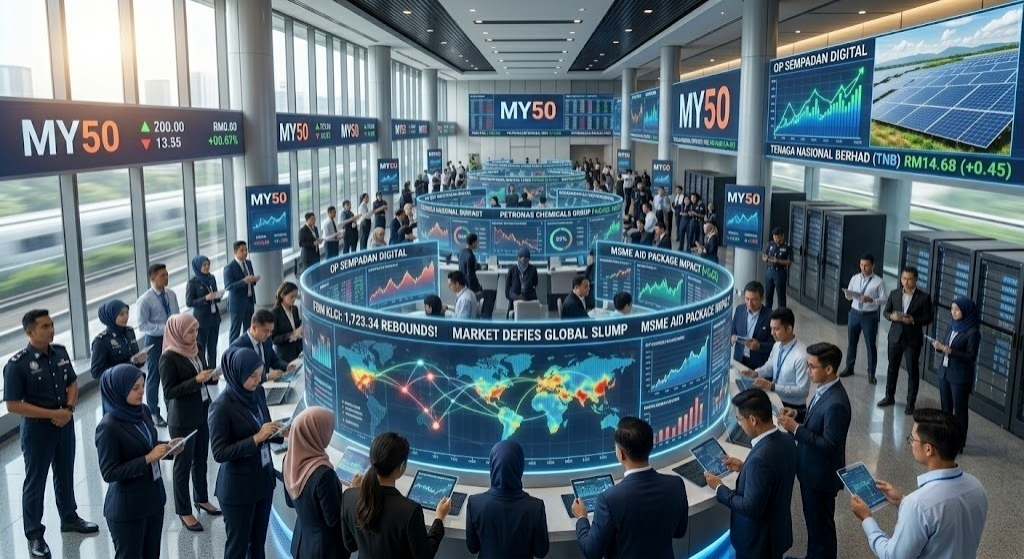
Despite the ongoing West Asia conflict pushing Brent crude prices toward $115 per barrel, the local market remained upbeat. The FBM KLCI climbed to 1,723.34, bolstered by heavy buying in industrial and utility stocks.
Market Highlights:
- Utilities Surge: Tenaga Nasional Berhad (TNB) rose to RM14.68 as investors bet on the nation's energy transition.
- OGSE Resilience: The Oil, Gas, and Energy Services (OGSE) sector remains a critical pillar, contributing 5–8% to the national GDP.
- Positive Breadth: Gainers outpaced losers (234 to 179) in early trade, signaling broad investor confidence in Malaysia’s "sovereign" economic buffers.
Strategic Focus on Energy Security
While fuel supply remains assured through June, the industry is navigating significant logistical challenges. Transportation costs for energy players have spiked between 47% and 176%, while insurance premiums have surged due to maritime risks. Syed Saggaf Syed Ahmad, President of the Malaysian Oil, Gas, and Energy Services Council (MOGSC), stressed that stronger collaboration between operators and SMEs is essential to maintaining the value chain.
PM Anwar: Compassion in Policy
While the nation looks toward high-tech growth, Prime Minister Datuk Seri Anwar Ibrahim remains focused on local welfare. Visiting Sandakan, the PM addressed the long-term housing needs for victims of the recent Kampung Bahagia fire. He proposed a structured development plan that requires careful evaluation between multiple stakeholders.
Furthermore, Anwar issued a call to employers to remain flexible and pragmatic. In a statement from Kota Bharu, he urged businesses not to treat the current economic pressure as "business as usual," but to adopt flexible operations that protect worker welfare without sacrificing productivity.
Regional Tourism and Talent Pipelines
In other developments today:
- Visit Malaysia 2027: The Sabah Tourism Board and Tourism Malaysia met to align promotion strategies, extending the "Visit Malaysia" momentum into late 2027.
- Penang Talent Drive: The Penang Convention & Exhibition Bureau (PCEB) launched the "BE Associate" program to build a future-ready talent pipeline for the business events industry, bridging the gap between academia and real-world exposure.
Conclusion: The Resilient State
April 24, 2026, reinforces Malaysia’s position as a state that balances technical precision with human-centric leadership. From being a global teacher in disaster management to maintaining a bullish stock market in the face of an international energy crisis, the nation continues to build its "Madani" future on a foundation of sovereign resilience.