News
Anthony Loke Urges Heavy Vehicle Switch to EV as Diesel Subsidy Hits RM2.5B Monthly
By ExFunCity · 14 May 2026
TL;DR — Malaysia's diesel subsidy reaches a massive RM2.5 billion per month.Urges heavy vehicle operators to transition to EVs to reduce fiscal pressure.
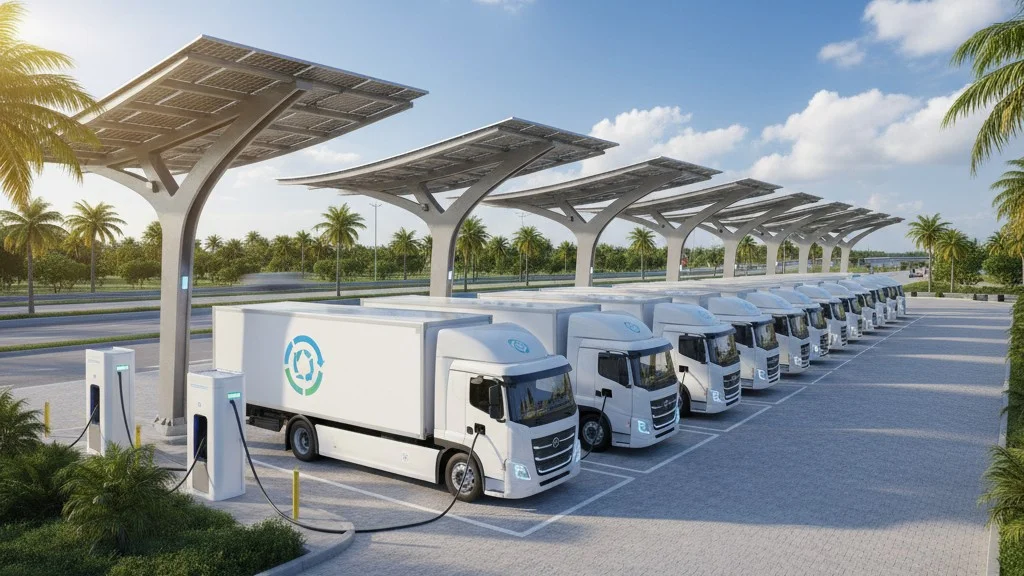 Malaysia Diesel Subsidy Hits RM2.5 Billion Monthly: Loke Pushes for Rapid EV Transition
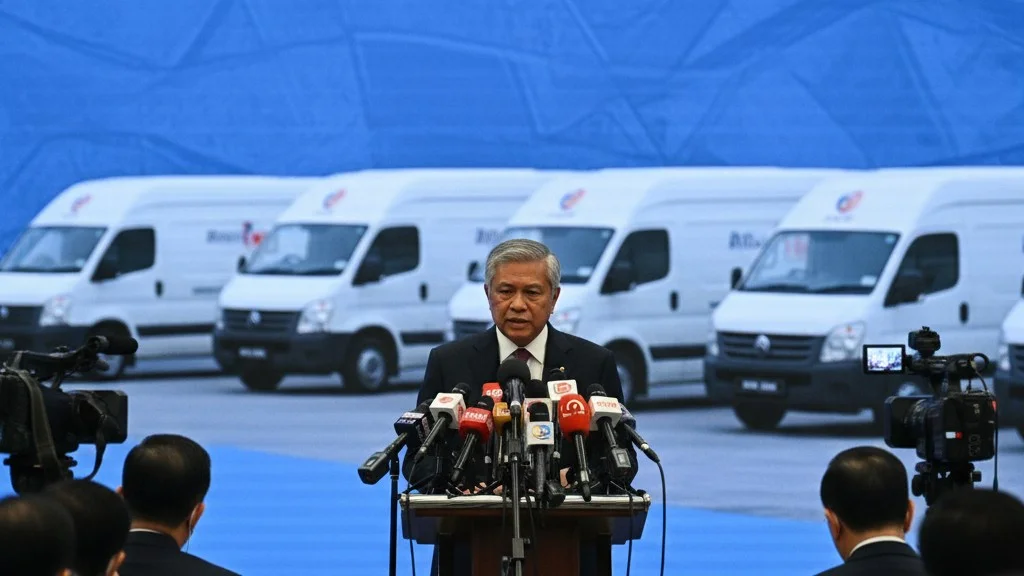
Transport Minister Anthony Loke has revealed that Malaysia’s diesel subsidy bill has surged to a staggering RM2.5 billion per month. Speaking at the Malaysia Commercial Vehicle Expo (MCVE) 2026, Loke emphasized that this level of spending is financially difficult for the government to sustain in the long term.
The spike is largely attributed to global oil price volatility and ongoing geopolitical tensions in West Asia. To counter this, the government is making a loud call for heavy vehicle and logistics operators to begin ditching diesel engines in favor of electric vehicles (EVs).
The Massive Cost of Keeping Malaysia Moving
The government’s current expenditure on diesel is reaching critical levels. At RM2.5 billion every 30 days, the subsidy is one of the largest single financial burdens on the national treasury. Loke noted that while the government will continue to support the industry through the current global "storm," the era of blanket fuel subsidies for commercial fleets must eventually evolve.
Key Financial Data for May 2026:
- Monthly Diesel Subsidy: RM2.5 billion.
- Primary Drivers: High global oil prices and regional instability.
- Target Goal: Reduce fiscal deficit while maintaining logistics stability.
- Subsidy Status: Current rates maintained but under heavy pressure.
"Carrot Over Stick" Approach for EV Trucks
Recognizing that electric trucks are currently two to three times more expensive than traditional diesel models, Loke assured industry players that the government will not use a "hard approach." Instead, a "carrot" strategy involving new incentives is being prepared.
A Special EV Task Force is scheduled to meet next week to discuss specific tax exemptions and financial support for companies willing to modernize their fleets. The goal is to make the initial investment more affordable for Malaysian Small and Medium Enterprises and large logistics firms.
 Challenges in the EV Infrastructure
While the push for green energy is strong, the Minister acknowledged the practical hurdles facing truck drivers today. The transition isn't just about the vehicles; it's about where they can charge.
- Battery Range: Most current EV trucks offer a range of 300km to 400km.
- Charging Gaps: Long-haul routes across the Peninsula (800km+) lack sufficient high-speed charging points for heavy loads.
- Charging at Petrol Stations: The Cabinet is currently discussing integrating EV chargers into existing petrol station networks to create a "mainstream" charging ecosystem.
The Roadmap to Net Zero 2050
This shift is part of a larger national commitment under the Paris Agreement. Malaysia aims to reach net-zero carbon emissions by 2050. Loke reminded the industry that there are only 24 years left to meet this target. By moving heavy vehicles to electric power now, Malaysia can significantly improve fuel efficiency and protect the national economy from future oil price shocks.
What Logistics Companies Need to Know
For businesses operating in the transport sector, the message is clear: the government is looking to move away from diesel dependency.
- Incentive Tabled: Tax exemptions and grants for EV truck purchases expected by Q3 2026.
- Technology Integration: The Ministry is also encouraging the use of telematics to monitor fuel efficiency and driver safety.
- Registration: Companies in Sabah and Sarawak are reminded to register for the Subsidised Diesel Control System (SKDS) to manage the current targeted transition.