News
Malaysia Implements New EV Import Regulations: What It Means for Asia
By ExFunCity · 1 Jul 2026
TL;DR — Explore the new Malaysia CBU EV rules 2026. Learn how the RM200,000 minimum CIF and 180kW power requirement affect electric vehicle prices across Asia.
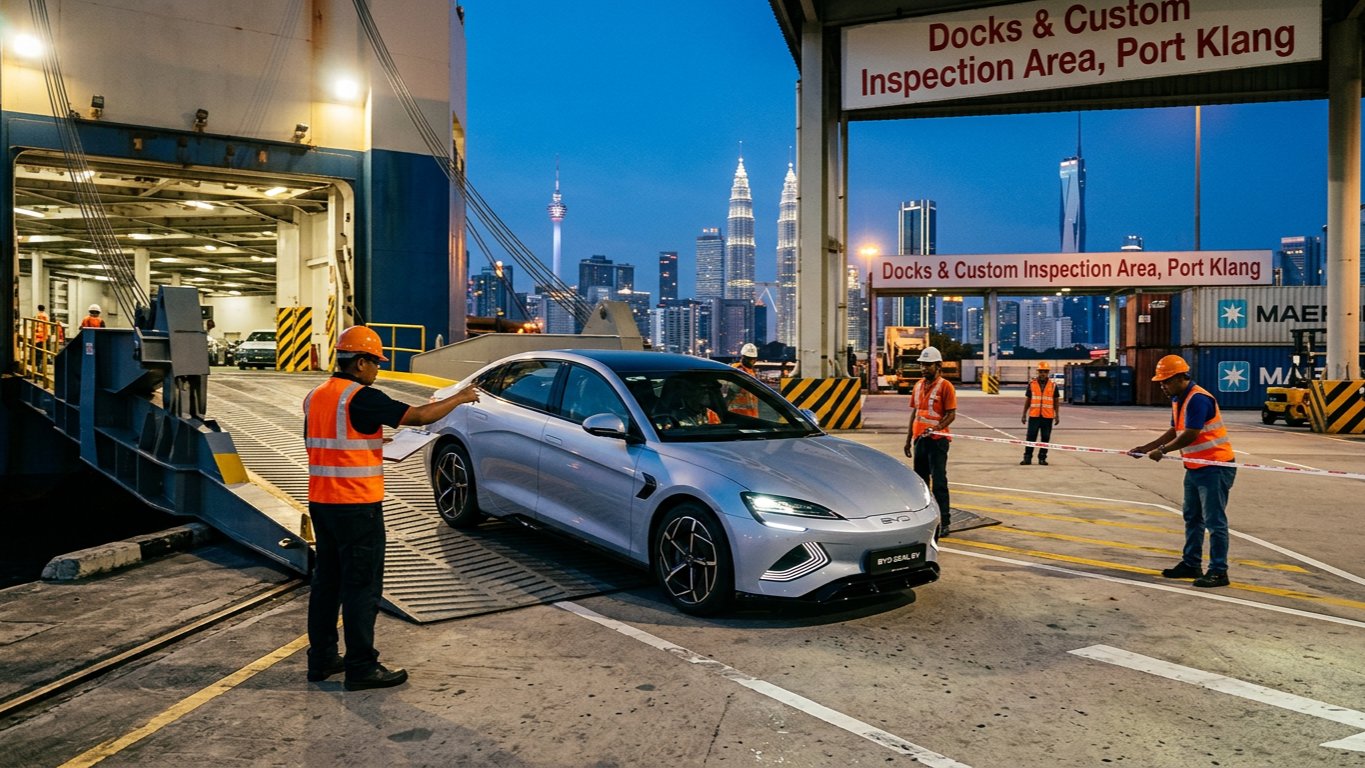 Malaysia Implements New EV Import Regulations
The automotive landscape across Southeast Asia is shifting today. As of July 1, 2026, the Malaysian government, through the Ministry of Investment, Trade and Industry (MITI), has officially enforced a strict new framework for all fully imported electric vehicles.
This highly anticipated policy overhaul marks the end of a tax-free honeymoon period for imported completely built-up (CBU) electric vehicles. For consumers and regional automakers looking at the broader Asian market, these regulations represent a significant pivot from expanding early adoption to protecting and developing local industrial ecosystems.
Understanding the Malaysia CBU EV Rules 2026
The new framework is designed to filter out budget-friendly imports and force international automakers to invest in local assembly. To qualify for import into Malaysia, any new CBU EV must now meet two non-negotiable criteria:
- Minimum Value: A Cost, Insurance, and Freight (CIF) value of at least RM200,000. This is the base import price before any local taxes or distributor margins are applied.
- Minimum Power Output: A motor capable of producing at least 180 kilowatts (kW), which translates to roughly 241 horsepower or 245 PS.
If an imported electric vehicle fails to meet both of these thresholds, it is effectively banned from entering the Malaysian market. Dealerships are, however, permitted to clear out existing inventory that arrived before the July 1 deadline.
How This Impacts Asian Automakers
Over the past few years, the regional electric vehicle market has been heavily influenced by aggressive pricing from Chinese manufacturers. The influx of affordable, high-tech EVs accelerated adoption rates but created intense competition for domestic brands.
Under the new regulations, the landscape changes drastically for these dominant Asian players:
- Budget Models Excluded: Mass-market favorites that previously sold for under RM150,000 no longer qualify for import.
- Shift to Premium: Automakers without local plants will be forced to compete exclusively in the premium segment against legacy luxury brands, as the RM200,000 CIF requirement pushes final retail prices higher.
- Supply Chain Adjustments: Regional manufacturers must now decide whether to abandon the mass market in Malaysia or commit massive capital to establish local manufacturing hubs.
For insights into how different countries are managing these transitions, check our [regional market breakdown] -> (Link to: comprehensive guide on Asian EV policies).
 The Push for Local Assembly (CKD)
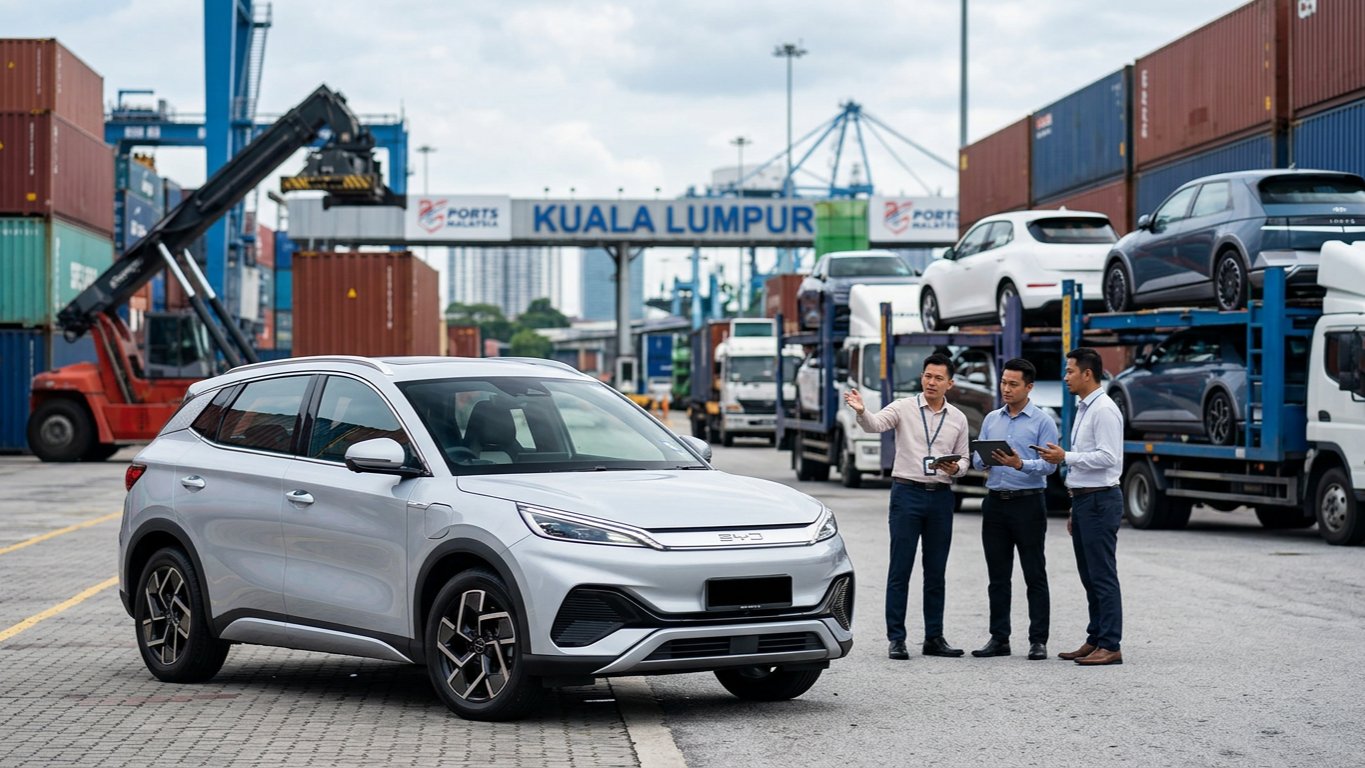
The core objective behind MITI’s stringent new rules is to foster a robust Completely Knocked Down (CKD) manufacturing sector. By making CBU imports prohibitively expensive for the average buyer, the government aims to attract direct foreign investment.
The benefits of a strong CKD ecosystem extend beyond national borders:
- Strengthens the regional supply chain for electric vehicle components.
- Creates high-value engineering and manufacturing jobs.
- Allows brands with local assembly plants to maintain competitive, tax-exempt pricing until the end of 2027.
Several major Asian brands are already accelerating their local assembly operations to fill the massive gap left by the banned budget imports.
What Consumers Can Expect Next
For buyers across the region watching this policy unfold, the immediate effect is a severe reduction in affordable electric vehicle choices within Malaysia.
The estimated financial reality for new imports includes:
- Base CIF Cost: RM200,000
- Import and Excise Duties: Up to 15% combined for vehicles under free trade agreements.
- Sales Tax: 10% applied sequentially.
- Final Retail Price: Expected to start well above RM300,000.
While this protects local industry, it temporarily pauses the rapid democratization of green technology. The success of the Malaysia CBU EV rules 2026 will ultimately depend on how quickly local assembly plants can scale up to deliver affordable, high-quality alternatives to the Asian market.