News
Malaysia Leads Regional AI Adoption as 57% of Travelers Shift to Digital Planning
By ExFunCity · 15 May 2026
TL;DR — 57% of Malaysian travelers are using AI for 2026 trip planning. Discover how AI is reshaping travel habits and why Malaysians trust digital tools.
 Digital First: Malaysia Emerges as Regional Leader in AI-Powered Travel Planning
Malaysia has officially taken the top spot in Southeast Asia for artificial intelligence (AI) adoption in the travel sector. According to the latest Consumer Navigator: The APAC Consumer Travel Landscape (Q1 2026) report by Dentsu, 57% of Malaysian travelers are now actively using AI tools to research and organize their trips.
This shift marks a significant evolution in local consumer behavior. While global discourse often focuses on the "fear" of AI, Malaysian travelers appear to have skipped the hesitation phase, moving straight into practical application. This trend is further supported by data from the Agoda 2026 Travel Outlook, which indicates that nearly 60% of Malaysians intend to use AI for their next holiday.
How Malaysians are Using AI for Holidays
The use of AI in Malaysia isn't just about general curiosity; it is deeply functional. Travelers are utilizing generative AI and assistants to cut down on the hours typically spent browsing multiple blogs and booking sites.
Instead of traditional search engines, locals are turning to AI to solve specific logistical hurdles. The technology is primarily being used as a "validation filter"—a way to cross-check prices and reviews to ensure they are getting the best value for their money.
Top AI Use Cases in Malaysia:
- Destination Recommendations: 34% of users ask AI to find hidden gems or secondary cities.
- Activity Planning: 33% use tools to generate daily itineraries for family trips.
- Dining Choices: 29% rely on AI to find local eateries that match specific dietary needs or budgets.
- Budgeting: Over 30% of travelers use predictive AI to estimate total trip costs and monitor flight price fluctuations.
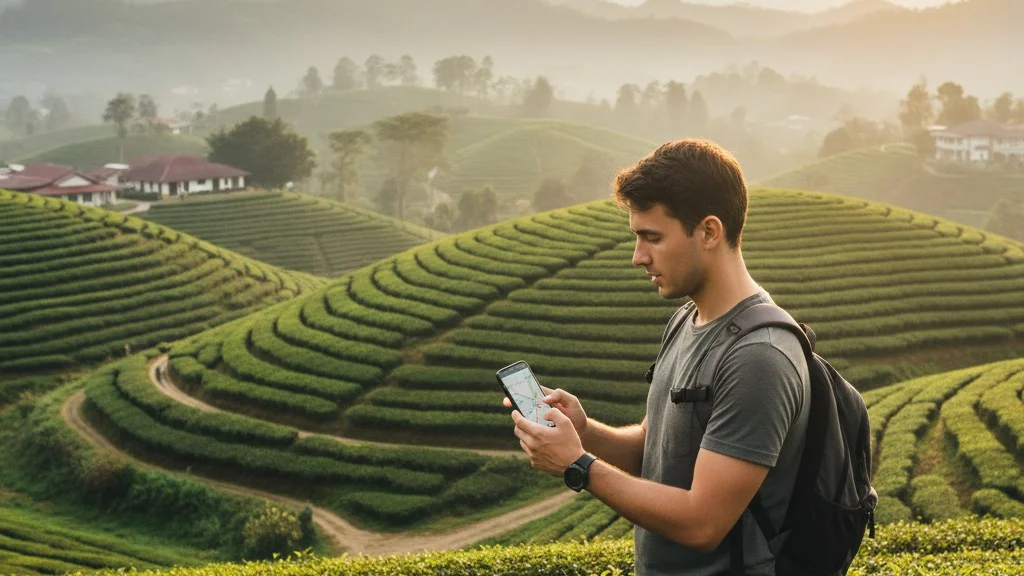 The "Inspiration vs. Reality" Gap
A unique finding in the 2026 data is that while 67% of Malaysians are heavily inspired by social media content (Instagram and TikTok), they remain "digitally skeptical." Despite the high visibility of viral destinations, 67% of locals prioritize affordability over "Instagrammability," and 63% cite geopolitical stability as a key factor in their decision-making.
This is where AI steps in. Because Malaysians have a sharp instinct for separating "filtered" perceptions from reality, they use AI to verify the claims made by influencers. For many, an AI-generated itinerary feels more objective and personalized than a sponsored travel post.
The Rise of Domestic "Smart" Travel
With the Visit Malaysia 2026 campaign on the horizon, there is a 17% increase in interest for domestic exploration. AI is playing a crucial role here by helping locals discover "secondary destinations" within Malaysia that offer better value than overcrowded tourist hotspots.
- Duration: Most Malaysian trips are planned for 4 to 7 days.
- Travel Groups: 59% of AI users are planning for multi-generational family groups.
- Price Sensitivity: 64% of travelers aim to keep accommodation costs under RM210 (approx. USD 50) per night.
A New Era of Brand Trust
For travel brands, the message from the Dentsu Malaysia CEO is clear: visibility is no longer enough. Because AI acts as a filter, it often prioritizes "trusted" and "familiar" brands.
As we move deeper into 2026, the success of a travel company will depend on its "digital credibility." If an AI assistant cannot find consistent, positive data about a brand, it is likely to be excluded from the generated itineraries of more than half of the Malaysian population. Travelers can keep track of these evolving digital safety standards via the [ASEAN Cybersecurity Travel portal] -> (Link to: official regional guidelines for digital travel safety) to ensure their data remains protected while planning.