News
International Day of Families 2026: UN Tackles Inequality and Child Wellbeing in Digital Era
By ExFunCity · 15 May 2026
TL;DR — Explore the 2026 theme for International Day of Families. Learn how global disparities and digital connectivity are shaping the future of children.
 Families and Inequality: The Global Theme for International Day of Families 2026
Today, May 15, 2026, the global community observes the International Day of Families. This year, the United Nations has designated the theme as "Families, Inequalities and Child Wellbeing." The focus is a direct response to the widening gap in income, education, and digital access that is increasingly shaping the life chances of the next generation.
With the 2030 Agenda for Sustainable Development entering its final years, the UN is emphasizing that family-oriented policies are not just a social luxury but a mechanical necessity for economic progress. Without integrated support systems, families—particularly those in developing regions—face heightened risks of falling into intergenerational cycles of poverty.
Addressing the "Digital Divide" in the Modern Home
A major highlight of the 2026 observance is the role of digital connectivity. In an era where education, healthcare, and finance have moved online, families without reliable internet access or digital literacy are being left behind.
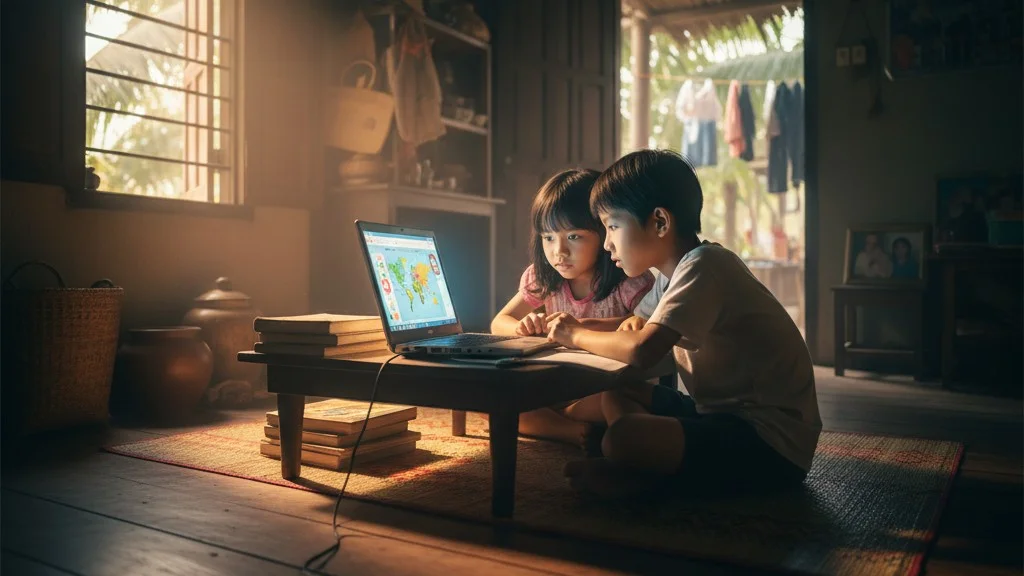
The UN report launched today at the New York Headquarters indicates that "digital inequality" is now a primary driver of developmental setbacks in children. For many families in Southeast Asia and Africa, the lack of affordable hardware and high-speed data means children cannot compete on a global stage, regardless of their individual talent.
Key Pillars of the 2026 UN Observance:
- Social Protection: Pushing for universal child benefits and paid parental leave to stabilize households.
- Digital Inclusion: Ensuring families have equal access to essential online services and education.
- Resilience Building: Strengthening family units to withstand climate pressures and economic shocks.
- Health Equity: Reducing disparities in healthcare access that affect early childhood development.
 The Shift Toward Family-Oriented Social Policy
The 2026 theme calls for a "whole-of-society" approach to supporting the family unit. Governments are being urged to move away from individual-centric aid and toward policies that recognize the household as a single economic entity.
Evidence presented during the New York summit suggests that when social protection is implemented early—such as affordable childcare and early childhood education—it significantly improves women’s economic participation and reduces long-term poverty risks.
Protecting Children in the Digital Frontier
While digital access is a right, it also brings new risks. In conjunction with this year’s theme, regional bodies are focusing on Online Safety for Families.
With the rise of sophisticated AI-powered threats and scams targeting younger users, the 2026 campaign encourages parents to act as "proactive guardians." The goal is to shift internet safety from being a purely technical problem to a shared family responsibility through open dialogue and better "technical hygiene" at home.
How to Participate and Stay Informed
The International Day of Families provides an opportunity for local communities to reflect on the demographic and economic processes affecting their own homes.
- Policy Dialogue: Engage with local leaders regarding family leave and childcare support.
- Digital Literacy: Participate in community workshops aimed at bridging the tech gap for seniors and youth.
- Global Awareness: Follow the UN WebTV Live Stream to hear from experts and policy architects about the future of social development.
Looking Ahead to the Second World Summit
The discussions held today are a precursor to the Second World Summit for Social Development. The "Families, Inequalities and Child Wellbeing" research paper launched this afternoon will serve as a foundational document for global policy shifts expected in 2027. By placing the family at the center of the conversation, the UN hopes to create a more equitable world for every child, regardless of their background or birthplace.