News
IMF July 2026 World Economic Outlook: Global Growth Slows to 3.0% Amid Middle East Energy Shock and AI Investment Boom
By ExFunCity · 12 Jul 2026
TL;DR — Read about the IMF global growth forecast 2026 from the July World Economic Outlook. Learn how the Middle East war shock and AI investments are splitting the global economy.
 IMF Global Growth Forecast 2026: Tech Value Chains Lift Outlook Against Persistent Energy Pressures
The International Monetary Fund (IMF) has officially published its July 2026 World Economic Outlook (WEO) update, titled "Global Economy in Crosscurrents of War and Technology." The flagship report projects that the global economy will expand by 3.0 percent in 2026 before achieving a modest recovery to 3.4 percent in 2027. This newly adjusted data reflects a slight contraction from previous multi-year growth averages, presenting an uneven economic landscape heavily fractured by ongoing geopolitical tensions and an accelerated, demand-driven technology boom.
Dual Economic Forces Pulling in Opposite Directions
According to official briefings from the IMF Research Department, the revised economic projections are being shaped by two highly powerful, competing global developments. On the downside, persistent logistical constraints and energy shocks stemming from the conflict in the Middle East continue to act as a significant drag on manufacturing. Central commodity baselines indicate that elevated fuel costs are weighing heavily on energy-importing nations, stalling local post-pandemic recoveries.
Conversely, this widespread macroeconomic slowdown is being actively counterbalanced by historic corporate investment in artificial intelligence infrastructure. Global demand for semiconductor technology, data center construction, and enterprise automation hardware remains remarkably robust. This tech-driven surge is creating a protective shield for advanced economies and manufacturing hubs directly integrated into the global microelectronics supply chain.
Stark Divergence Across Regional Trade Hubs
The July 2026 data exposes a clear performance gap between tech-aligned manufacturing exporters and commodity-dependent developing markets. Nations that specialize in producing core computational infrastructure have experienced unexpected economic growth surprises, contrasting sharply with the rest of the world.
Concurrently, the IMF warns that the structural disinflation trend observed throughout early 2024 has effectively stalled. Due to higher maritime shipping rates and fluctuating fuel prices, global headline inflation projections have been revised upward to 4.7 percent for 2026. This sticky inflation environment will likely require major central banks to prolong restrictive monetary policies, keeping global interest rates elevated for a longer duration than corporate planners initially budgeted.
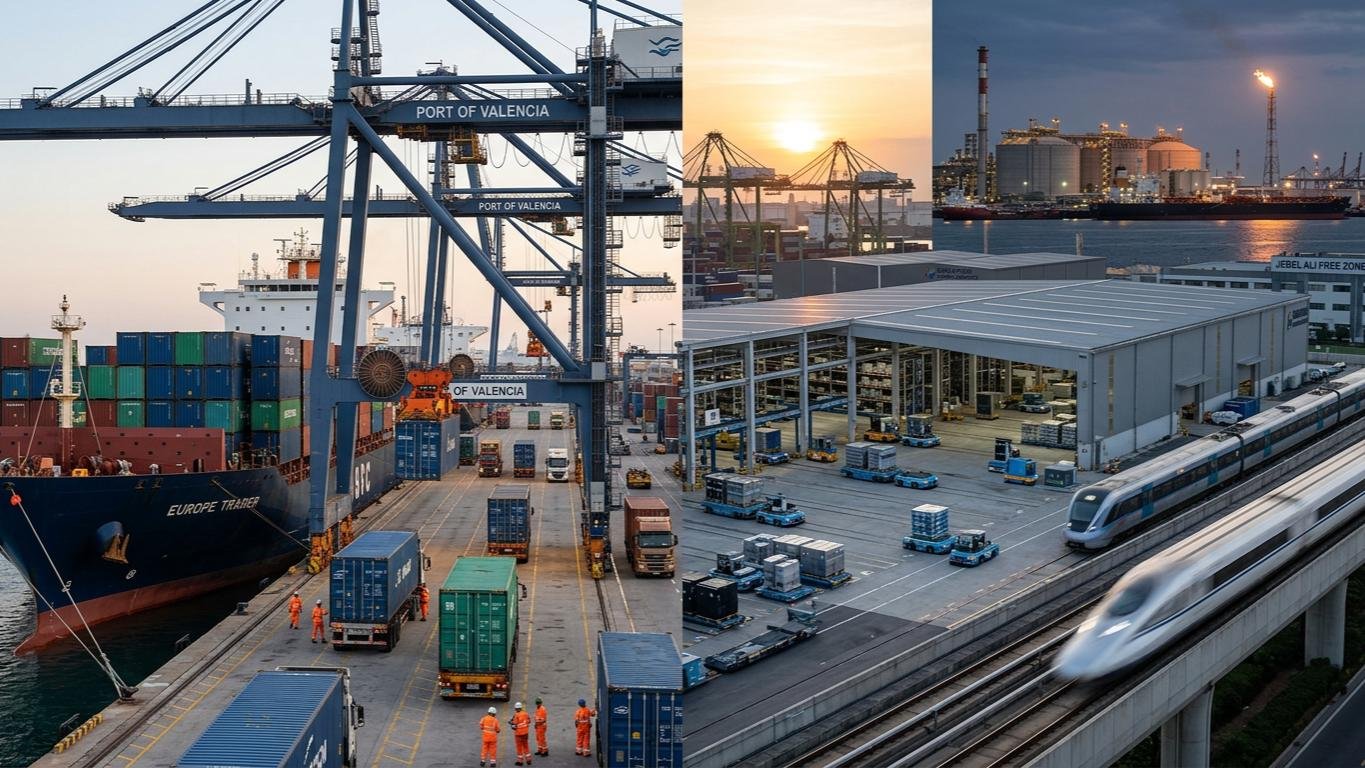 2026 Economic Growth Projections by Key Regions
- United States: Forecast at 2.3 percent, supported by resilient domestic consumer spending and massive technology capital investments.
- Euro Area: Downgraded slightly to 0.9 percent, reflecting soft consumer confidence and high localized energy price burdens.
- United Kingdom: Projected at 1.0 percent, with growth expected to stabilize as regional energy supply lines slowly adjust.
- China: Estimated to expand at 4.6 percent, navigating real estate transitions alongside strong global export demand.
Key Facts
- Global Expansion Target: The finalized IMF global growth forecast 2026 sits at 3.0 percent, with an anticipated rebound to 3.4 percent in 2027.
- Inflation Adjustment: Global headline inflation is projected to rise to 4.7 percent in 2026 before dropping back down to 3.9 percent in 2027.
- Tech Sector Outperformance: The top four net exporters of artificial intelligence hardware recorded an average annualized first-quarter economic growth surprise of 4.4 percentage points.
- Energy Cost Baseline: The current economic modeling assumes a global benchmark crude oil price average of approximately $89 per barrel throughout the year.
What People Are Asking
- How is artificial intelligence affecting the global economic growth rate according to the latest IMF report?
- Artificial intelligence is serving as a major economic driver by stimulating an unprecedented wave of corporate business investment and capital spending on tech hardware. This high technology demand is keeping global output afloat, directly offsetting the negative growth impacts caused by the ongoing Middle East energy crisis.
- Why did the IMF adjust its 2026 global inflation forecast upward to 4.7%?
- The inflation forecast was adjusted upward because the global disinflation trend has stalled. Persistent geopolitical risks have driven up energy costs and restricted international shipping lanes, which in turn increased import expenses for consumer goods. Strategic insights can be cross-referenced on the International Monetary Fund Data Portal.