Sports
Harimau Malaya’s Final Push: Analyzing Malaysia’s Tactical Depth for Asian Cup Qualifiers
By ExFunCity · 15 Apr 2026
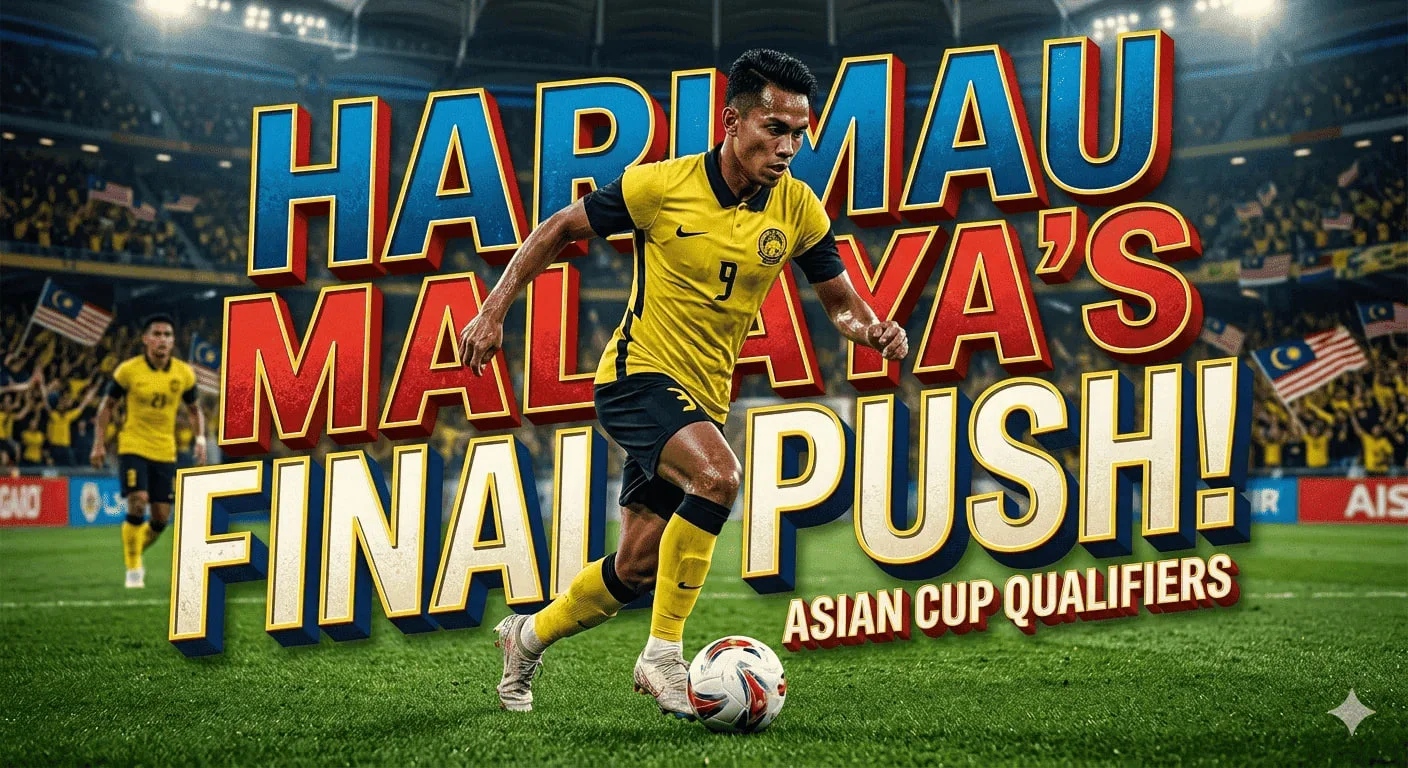
TL;DR — Expert analysis of Malaysia national football team's depth and tactics under Kim Pan-gon for critical Asian Cup qualifiers. Can they qualify?
Harimau Malaya’s Final Push: Analyzing Malaysia’s Tactical Depth for Asian Cup Qualifiers
The atmosphere is tense, the expectations are high, and the path is clear: the Malaysia national football team stands on the precipice of crucial matches that will determine their fate for the next AFC Asian Cup. This is the moment the fans have been waiting for, the Harimau Malaya’s Final Push. Under the guided management of head coach Kim Pan-gon, the squad has undergone significant transformation, adopting a modern, high-energy style that has revitalized Malaysian football. However, transitioning from promising performances to guaranteed qualification requires more than just energy; it demands immaculate tactical execution and robust squad depth.
The road to the Asian Cup has been a journey of tactical evolution and strategic player integration. Fans have witnessed a shift towards a more proactive, pressing game, a departure from the defensive mindset of old. This new approach has yielded results, but as the final, deciding qualifiers approach, the spotlight intensifies on Coach Pan-gon’s ability to maximize his available resources. The focus is no longer just on the starting eleven, but on the entire roster’s capacity to adapt to different match scenarios, injuries, and the grueling demands of international football.
In this comprehensive analysis, we deep dive into the Malaysian national football team's depth across all departments. We evaluate the key positional battles, the impact of naturalized and heritage players, and the tactical flexible options available to Coach Pan-gon as he masterminds the strategy to secure Malaysia's spot among Asia's elite.
Kim Pan-gon’s Tactical Philosophy: Pressing and Proactivity
Coach Kim Pan-gon’s arrival heralded a new tactical era. Moving away from the cautious, low-block systems often deployed in the past, he instituted a philosophy based on high pressing, quick transitions, and proactivity in possession. This system, demands exceptional physical fitness and intelligent positioning. The aim is to win the ball high up the pitch, forcing errors and creating scoring opportunities before the opposition can settle.
This proactive approach requires a deep squad. High-intensity pressing is physically draining. Maintaining this intensity for 90 minutes, especially in consecutive high-stakes matches, is impossible with only 11 players. The Malaysian national football team must possess reliable bench strength—players who can step in without a significant drop in quality, ensuring the tactical integrity remains intact even as personnel changes.
Furthermore, tactical flexibility is crucial. While high pressing is the core, certain opponents or match situations might necessitate a pragmatic adjustment. The ability to switch fluidly between an aggressive 4-3-3 pressing shape and a more compact, counter-attacking 4-5-1, for instance, requires players who understand multiple roles and can execute complex instructions under pressure. This tactical intelligence across the squad is what Coach Pan-gon has been cultivating, and the qualifiers will be the ultimate test.
Finding Balance in Midfield Control
The midfield is the engine room, responsible for implementing the pressing triggers and dictating the tempo of the game. Achieving the right balance between defensive solidity, creative ingenuity, and high-energy pressing is perhaps the most challenging aspect of Coach Pan-gon’s tactical puzzle. The Malaysian national football team has seen various combinations in this area, searching for the perfect alchemy.
Players with high work rates who can regain possession and quickly transition the ball forward are essential. They are the catalyst for the attacking moves. Complementing this energy is the need for a creative pivot—a player capable of picking a lock and executing decisive passes.
The challenge lies in managing rotation without disrupting rhythm. In a congested qualifier schedule, maintaining freshness is paramount. The tactical requirement is a clear understanding of roles. For example, when a high-energy pressing midfielder is replaced by a more static, ball-playing playmaker, the team’s overall pressing structure must shift to compensate. This intricate understanding and collective cohesion are what Coach Pan-gon must solidify during training camps before the final push. The performance in the center circle will determine which team controls the destiny of the match.
Defensive Resilience and the Crucial Role of Goalkeepers
While the high-press focuses on offense, a resolute defense remains the bedrock of any successful qualification campaign. The demands placed on the Malaysian national football team’s backline under Coach Pan-gon are unique. With the team pushing high up the pitch, defenders must operate with a high defensive line, leaving significant space behind them. This requires central defenders who are not only dominant in the air and strong in tackles but also possess blistering recovery pace and exceptional positional awareness to nullify counter-attacking threats.
The integration of heritage players has significantly bolstered defensive options. This competition has forced all defenders to elevate their game. The tactical prerequisite is impeccable communication. A split-second delay in stepping up for an offside trap or covering a run can be fatal. This understanding is built on consistent partnerships, making decisions around the center-back pairing one of the most critical for Coach Pan-gon. He must choose a pairing that offers both individual quality and collective synergy, ensuring the defensive unit acts as a cohesive barrier.
Behind the defense stands the final line: the goalkeeper. In a system with a high defensive line, the goalkeeper effectively operates as a 'sweeper-keeper', requiring excellent anticipation to intercept balls played over the defense and confidence with the ball at their feet to aid in building attacks from the back. Malaysia is fortunate to have strong goalkeeping options, but choosing the definitive number one based on current form and suitability to the high-line system is vital. A composed, vocal goalkeeper who can organize the defense and make big saves in pressure moments is invaluable, often the difference between qualification and heartbreak.
Harnessing Wide Areas: Full-backs and Wingers in Synchronization
The wide areas are crucial tactical battlegrounds in modern football, and even more so in Coach Pan-gon’s system. Full-backs are not just defenders; they are dynamic wing-backs required to overlap, provide width, and deliver precise crosses, while also sprinting back to fulfill defensive duties. This demanding dual role necessitates incredible stamina and positional discipline. The Malaysian national football team boasts several energetic full-backs, making the competition for places fierce. The choice often depends on the opponent; a more attacking full-back might be preferred against a team that sits deep, while a defensively disciplined one is better suited for a counter-attacking threat.
The synergy between full-backs and wingers is vital. They must operate in tandem, creating overloads and unpredictable attacking movements. Wingers must possess the skill to beat defenders one-on-one and the vision to deliver dangerous passes or cut inside and shoot. The integration of skillful heritage and naturalized players in wide positions has added a potent dimension to Malaysia's attack. Their flair, combined with the tireless running of the full-backs, can unlock the tightest defenses.
Tactically, wide players must also contribute defensively. When the press is triggered, wingers must close down opposing full-backs, forcing difficult passes. If the press is bypassed, they must track back diligently to support their full-backs. This two-way responsibility is physically grueling, highlighting the need for impactful wide options from the bench. Impact substitutes who can exploit tiring opponents with their pace and freshness in the final third are often the catalysts for late, decisive goals. Coach Pan-gon’s ability to utilize his wide players effectively, both in starting roles and as strategic substitutes, will be a key component of the final push.
The Naturalization Debate and its Tactical Impact
The use of naturalized and heritage players in the Malaysia national football team is a subject of passionate debate, but its tactical significance is undeniable. Strategically, it provides Coach Pan-gon with access to a broader talent pool, addressing specific positional weaknesses and introducing different playing styles and experiences.
From a tactical perspective, the introduction of naturalized players has accelerated the adoption of Coach Pan-gon’s philosophy. Many of these players have experience in leagues that demand high technical proficiency and tactical discipline. Their presence has elevated the intensity in training and provided a baseline of quality that challenges local players to improve. They bring different physical and technical attributes—for example, a commanding presence in midfield or clinical finishing upfront—that might have been lacking in the domestic pool.
However, successful integration is key. The challenge is ensuring these players connect culturally and emotionally with the national team, playing with the same passion as home-grown talent. Tactically, Coach Pan-gon must weave these individuals into the team fabric, ensuring they understand their roles and responsibilities within the collective system. They are not 'savior' figures but components of a cohesive tactical plan. The objective is to harness their individual strengths to enhance the team's overall collective quality, creating a balanced and formidable squad. The judicious use of naturalized talent, combined with the development of local prospects, is the strategic approach aimed at achieving long-term success, with the immediate goal being Asian Cup qualification.
Achieving Tactical Cohesion: The Importance of Communication and Understanding
Beyond individual quality and tactical systems lies the most vital ingredient: collective cohesion. A team can have the best players and a perfect plan on paper, but if they lack understanding and clear communication, the system collapses, especially under the extreme pressure of international qualifiers. For the Harimau Malaya’s Final Push, achieving this cohesion is Coach Pan-gon’s paramount objective.
Communication on the pitch is multifaceted. It’s the defensive organizer demanding a step up, the midfielder shouting for support, the striker signaling a run. But it’s also the non-verbal understanding—knowing where a teammate will be, anticipating a pass, reacting intuitively to a pressing trigger. This deep, implicit understanding is built over time through consistent training camps and competitive matches.
The constant changes in personnel, driven by injuries and the search for the optimal combinations, make achieving this cohesion challenging. Players need time to build chemistry. Coach Pan-gon’s management, therefore, extends beyond tactics to psychology and team-building. Creating a unified, motivated squad where every player understands the collective goal and trusts their teammates is crucial. This sense of unity, combined with a clear tactical blueprint, creates a resilient team capable of overcoming adversity and delivering performances when it matters most. The final qualifiers are not just a test of footballing skill; they are a test of character, unity, and the seamless execution of a shared tactical vision. The strength of this collective bond will be the deciding factor in Malaysia’s final push for Asian Cup qualification.
 Predicting the Final Roster: Balancing Experience and Youth
As the definitive qualifying matches loom, the focus intensifies on Coach Pan-gon’s final squad selection. Predicting the final roster is an exercise in analyzing current form, tactical suitability, and the crucial balance between experience and youth. Coach Pan-gon has demonstrated a willingness to blend seasoned veterans with exciting young talent, a strategy aimed at achieving immediate success while building for the future.
Experience is invaluable in high-stakes qualifiers. Players who have weathered the pressure of crucial international matches bring composure and leadership, acting as stabilizing forces on and off the pitch. They understand the nuances of managing game situations, especially when defending a slender lead or chasing a decisive goal. For more insights on veteran impacts, check out.
Complementing this experience is the raw energy, pace, and fearlessness of youth. Young players, eager to make their mark, bring an unpredictability and dynamism that can unnerve opponents. They offer freshness from the bench and the capacity to cover immense distances, crucial for Coach Pan-gon’s pressing system. The competition for the final squad spots will be intense, pushing every player to their limit. Coach Pan-gon’s final selection will be a tactical statement, a reflection of his confidence in a balanced group of players he believes can execute his vision and deliver the coveted Asian Cup qualification for Malaysia. The nation waits with bated breath to see which players will be entrusted with Harimau Malaya’s Final Push.