News
Closing the Loop: How EV Battery Recycling is Transforming the Green Energy Sector in 2026
By ExFunCity · 22 May 2026
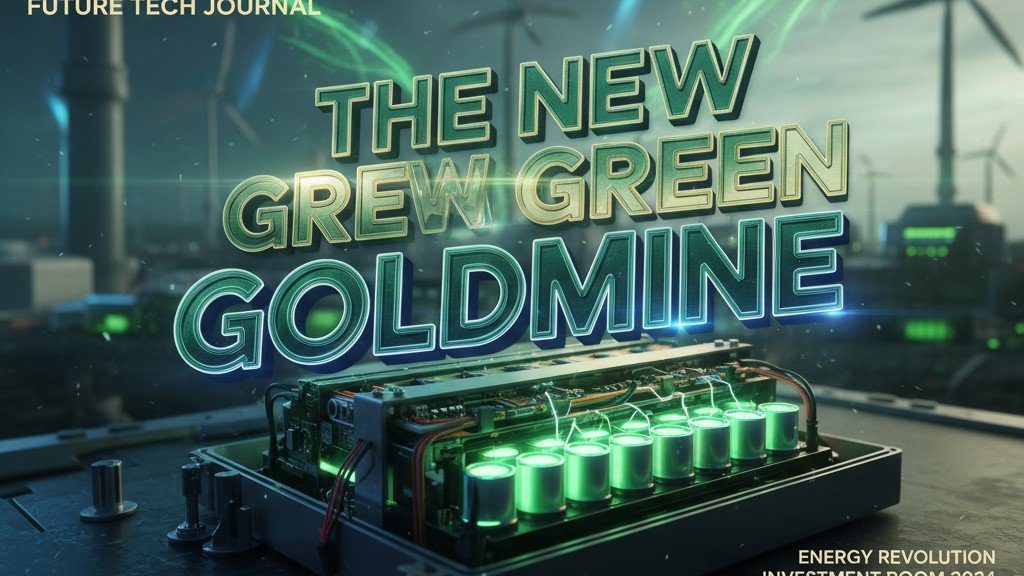
TL;DR — Discover how AI-powered robotics and hydrometallurgical processes are revolutionizing EV battery recycling and reducing raw material reliance.
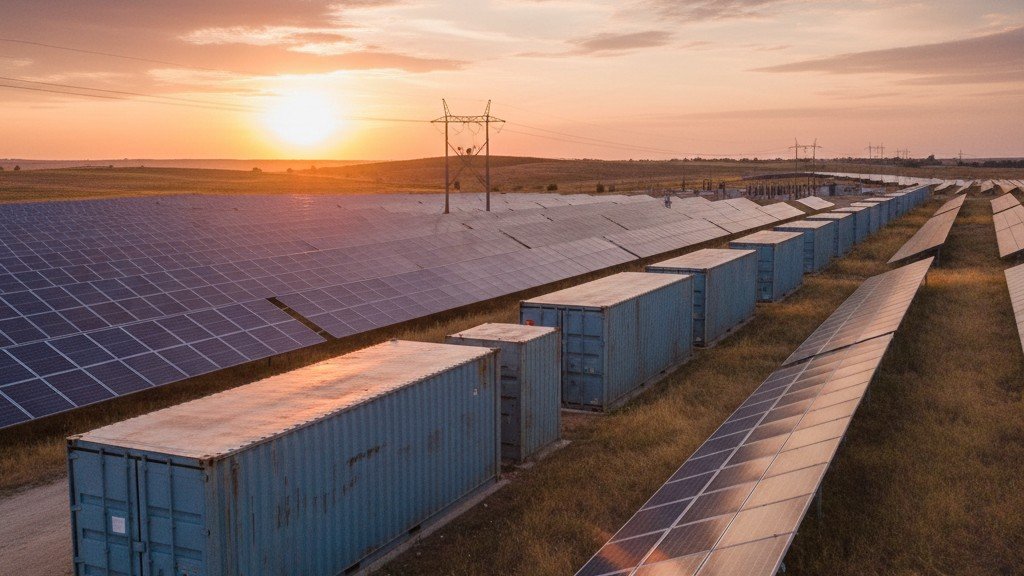 Closing the Loop: How EV Battery Recycling is Transforming the Green Energy Sector in 2026
The rapid global surge in electric vehicle (EV) adoption—with sales reaching record levels in 2026—has brought an inevitable challenge: what happens when those batteries reach the end of their road? As millions of units retire, the industry is shifting its focus from raw material extraction to advanced recycling technologies. This evolution is not just an environmental necessity; it is becoming a multibillion-dollar industry that secures the future of global clean energy.
The New Inflection Point for Recycling
In 2026, the EV battery recycling market has officially hit a major growth milestone, projected to reach nearly $7 billion globally. This growth is driven by the urgent need to stabilize supply chains for critical minerals like lithium, cobalt, and nickel.
- Market Expansion: The industry is seeing a massive uptick in capacity as early-generation stationary and transport batteries hit their 8-to-12-year retirement cycle.
- Economic Value: Modern facilities now treat retired batteries as a revenue-generating asset rather than hazardous waste.
- Strategic Shift: OEMs are increasingly moving toward [internalized recycling] -> (Link to: how automakers manage their own supply chains) to reduce vulnerability to geopolitical trade fluctuations.
Advanced Hydrometallurgy: The Secret to High Purity
The most significant technological leap this year is the widespread adoption of hydrometallurgical processing. Unlike older, high-energy methods, this approach uses aqueous chemistry to dissolve and recover materials with incredible precision.
- Recovery Rates: Current plants are achieving up to 95% recovery for lithium and cobalt, and up to 97% for nickel.
- Quality Standards: The process produces battery-grade materials that can be fed directly back into cathode manufacturing.
- Lower Footprint: Hydrometallurgy significantly reduces the energy intensity and carbon emissions associated with traditional smelting.
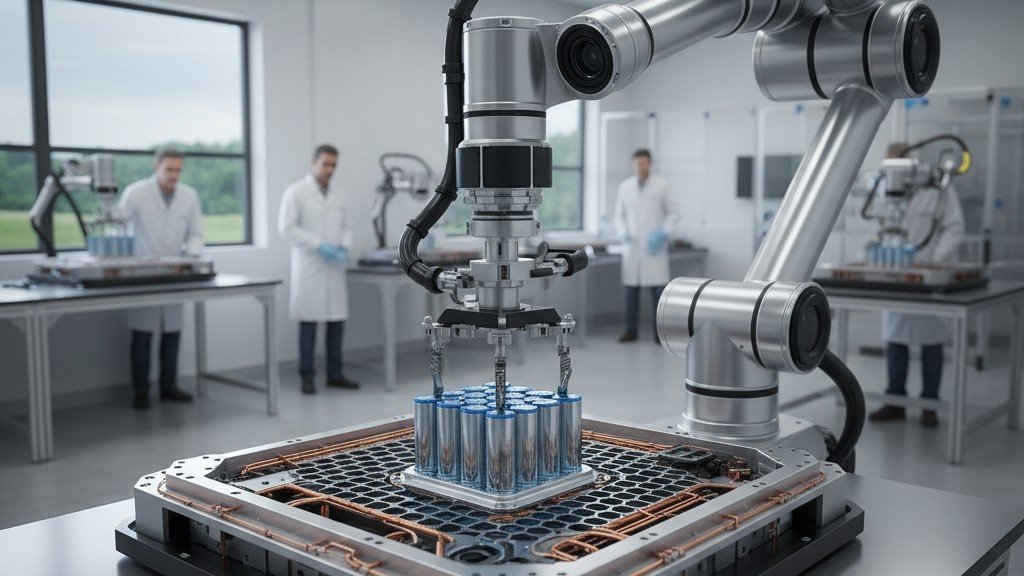 AI-Powered Automation and Digital Twins
To handle the complexity of different battery chemistries (such as LFP, NMC, and NCA), recycling plants are now integrating AI and robotics. This modernization is crucial for safe and efficient disassembly.
- Robotic Disassembly: AI-driven robots are now performing the hazardous task of breaking down battery packs, which improves safety and increases throughput.
- Digital Twins: Companies use virtual models of batteries to track their health and estimate their "remaining useful life" (RUL) before they are sent for recycling.
- Sorting Efficiency: AI algorithms quickly identify battery types and structural integrity, ensuring the right recycling or [second-life strategy] -> (Link to: what are second-life EV batteries) is selected for every individual unit.
Beyond Recycling: The Second-Life Strategy
Not every battery needs to be shredded immediately. A massive trend in 2026 is the "second-life" application, where batteries that are no longer suited for high-performance EVs are repurposed for stationary grid storage.
- Grid Stabilization: Retired packs are being integrated into power grids to store energy from solar and wind farms, helping to manage demand spikes.
- Industrial Power: From forklifts to airport ground equipment, modular recycled packs are finding new utility in heavy-duty low-speed environments.
- Resilient Infrastructure: These repurposed units provide critical backup power to data centers and hospitals, extending the value of the battery long before it hits the final recycling stage.
The Road Ahead: Regulatory and Supply Chain Security
With the introduction of the "Battery Passport" and stricter critical mineral thresholds, the global recycling ecosystem is professionalizing rapidly.
- Regulatory Alignment: Standardized tracking ensures that batteries are handled safely, with traceability from the factory to the recycling bin.
- Geographical Independence: Countries are investing heavily in local recycling infrastructure to avoid reliance on concentrated overseas supply chains.
- Future Outlook: By 2040, it is estimated that nearly half of the demand for lithium and nickel could be met through recycled materials, effectively creating a truly [circular battery economy] -> (Link to: why a circular economy matters for climate change).