News
China Launches Historic Shenzhou-23 Mission Featuring First Hong Kong Astronaut
By ExFunCity · 25 May 2026
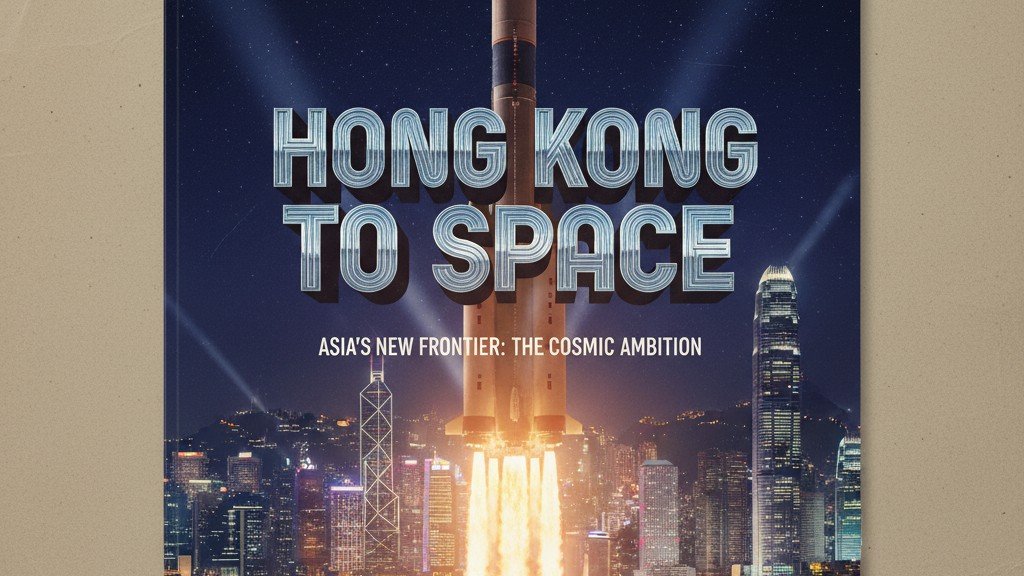
TL;DR — China’s Shenzhou-23 mission is underway. The crew includes Hong Kong’s Lai Ka-ying, with one member set for a historic one-year orbital stay to prepare for lunar goals.
 China Launches Historic Shenzhou-23 Mission Featuring First Hong Kong Astronaut
China’s space program reached a major milestone this Sunday, May 24, 2026, with the successful launch of the Shenzhou-23 mission. The spacecraft, propelled by a Long March-2F rocket, lifted off from the Jiuquan Satellite Launch Center at 11:08 p.m. local time. This mission is being hailed as a critical step in Beijing’s ambitious goal to land humans on the Moon by 2030.
A Historic Milestone for Hong Kong
The crew consists of three astronauts: commander Zhu Yangzhu, pilot Zhang Zhiyuan, and payload specialist Lai Ka-ying. The inclusion of Lai Ka-ying is particularly significant, as she is the first astronaut from the Hong Kong Special Administrative Region to participate in a Chinese crewed spaceflight. Her selection as a payload specialist highlights the integration of talent from across the region into China’s expanding aerospace initiatives.
Preparing for Long-Term Space Stays
A primary objective of this mission is to push the boundaries of human endurance in microgravity. One of the three crew members will remain aboard the Tiangong space station for a full year. This marathon deployment is designed to study the physical and psychological effects of long-duration space travel. The data gathered will be essential for:
- Upgrading life-support systems for deep-space missions.
- Understanding human physiological adaptation to prolonged weightlessness.
- Developing operational blueprints for future lunar and potential Martian exploration.
 Expanding Tiangong’s Research Capabilities
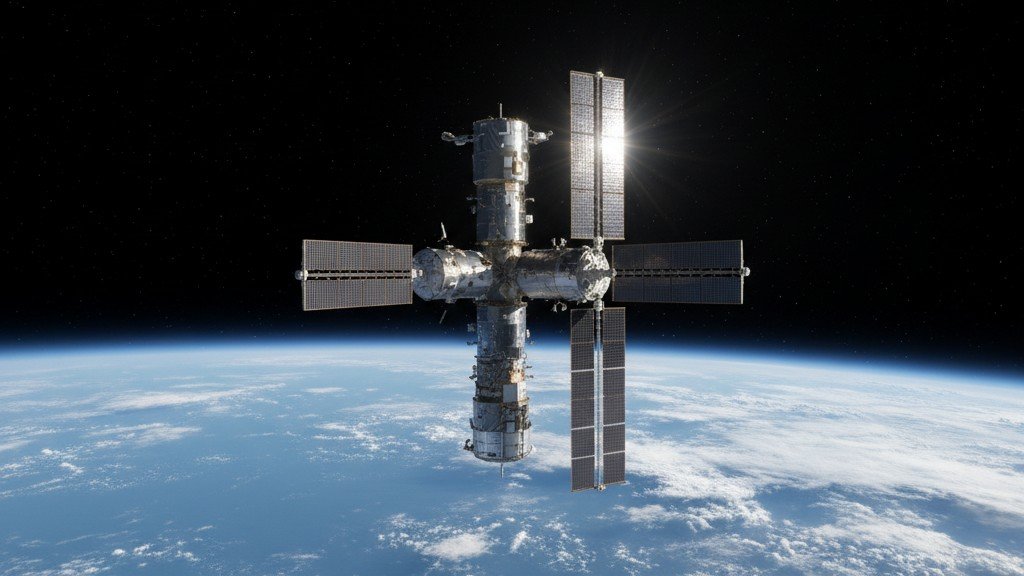
The Tiangong ("Heavenly Palace") space station has become the centerpiece of China’s scientific research. With the arrival of the Shenzhou-23 crew, the station is entering a new phase of activity. The team will oversee:
- Advanced scientific experiments in materials science and fluid physics.
- In-orbit rotations with the outgoing Shenzhou-21 crew, who have spent over 200 days in orbit.
- Technology trials to ensure hardware reliability for long-term orbital habitation.
China’s Lunar Roadmap
The Shenzhou-23 mission is a calculated move in a larger strategic race. As Beijing aims for a crewed lunar landing by 2030, they are aggressively testing the systems required to sustain life far from Earth. The China Manned Space Agency has confirmed that this mission also includes technical upgrades to the spacecraft, featuring reinforced structural protection to address potential orbital hazards.
International Cooperation and Future Goals
While the current focus is on domestic milestones, China’s space program continues to look outward. Plans are already in motion for later this year, including the scheduled visit of an international astronaut from Pakistan to the Tiangong station. As China builds toward its vision of a permanent lunar research base by 2035, the success of Shenzhou-23 stands as a testament to the country’s rapid progress in becoming a dominant force in modern space exploration.