Food
Best Japanese Omakase Dining Tips: Etiquette and Course Expectations
By ExFunCity · 11 Jul 2026
TL;DR — Want to avoid embarrassing mistakes at the sushi counter? Read our expert guide on omakase etiquette, the 30-second rule, and understanding seasonal fish.
 Best Japanese Omakase Dining Tips: Etiquette and Course Expectations
The Core Concept of Trusting the Itamae
Omakase translates directly to "I leave it up to you" in Japanese. Unlike standard dining where you pick items from an extensive menu, this luxury experience places total control in the hands of the head chef (itamae). The chef designs a flowing progression of dishes based on the absolute freshest fish and ingredients available at the fish markets that morning.
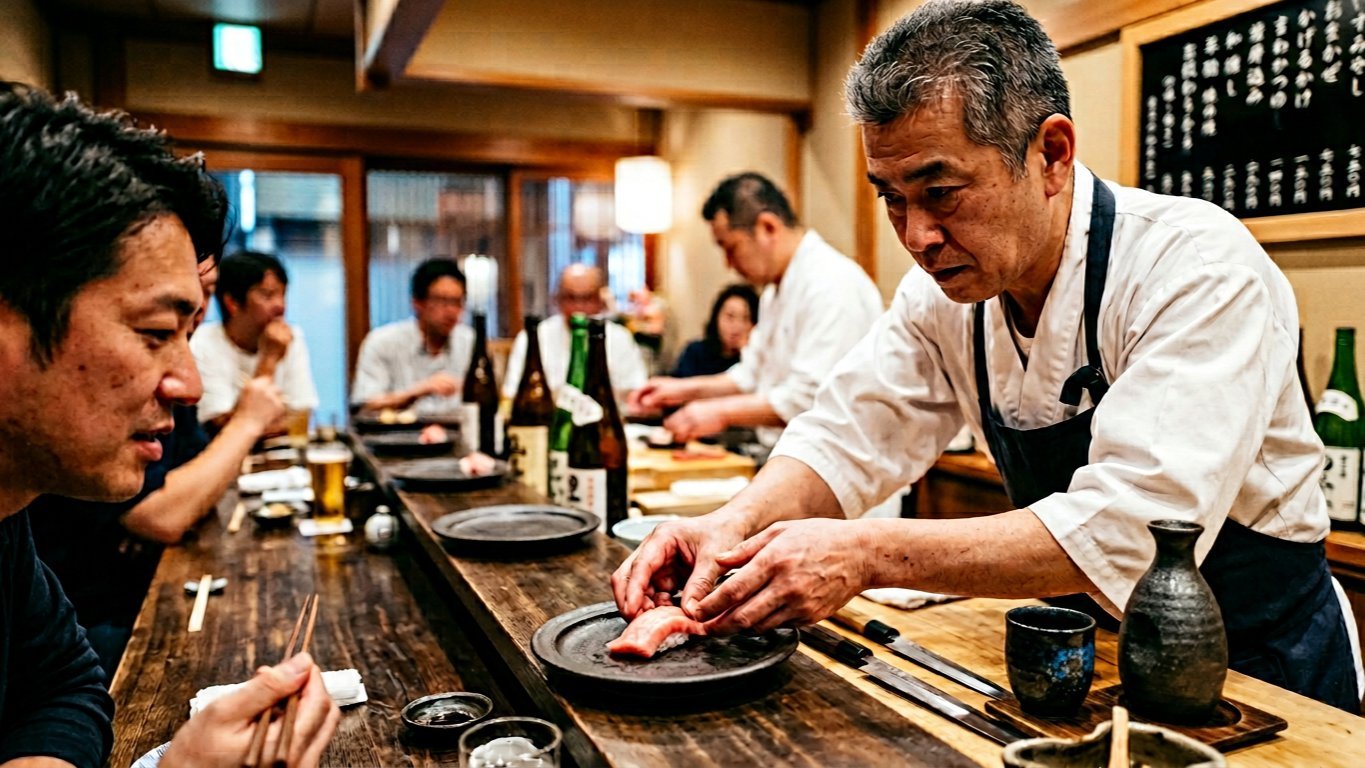
For Malaysian food enthusiasts looking to try high-end Japanese dining, entering an omakase room means relinquishing control. The experience is treated as a live culinary performance, where you sit directly at a pristine wooden counter watching the chef slice, shape, and season each individual bite. Trusting the chef's vision allows you to try unique ingredients you might normally skip.
Essential Sushi Counter Etiquette Rules
High-end omakase restaurants maintain strict traditional protocols to ensure the delicate flavors of the raw ingredients are completely preserved.
- Skip the Perfume: Avoid wearing strong colognes, perfumes, or heavily scented lotions. The delicate aroma of fresh fish and seasoned rice is a massive part of the meal, and strong scents disrupt the experience for the chef and other diners at the close counter.
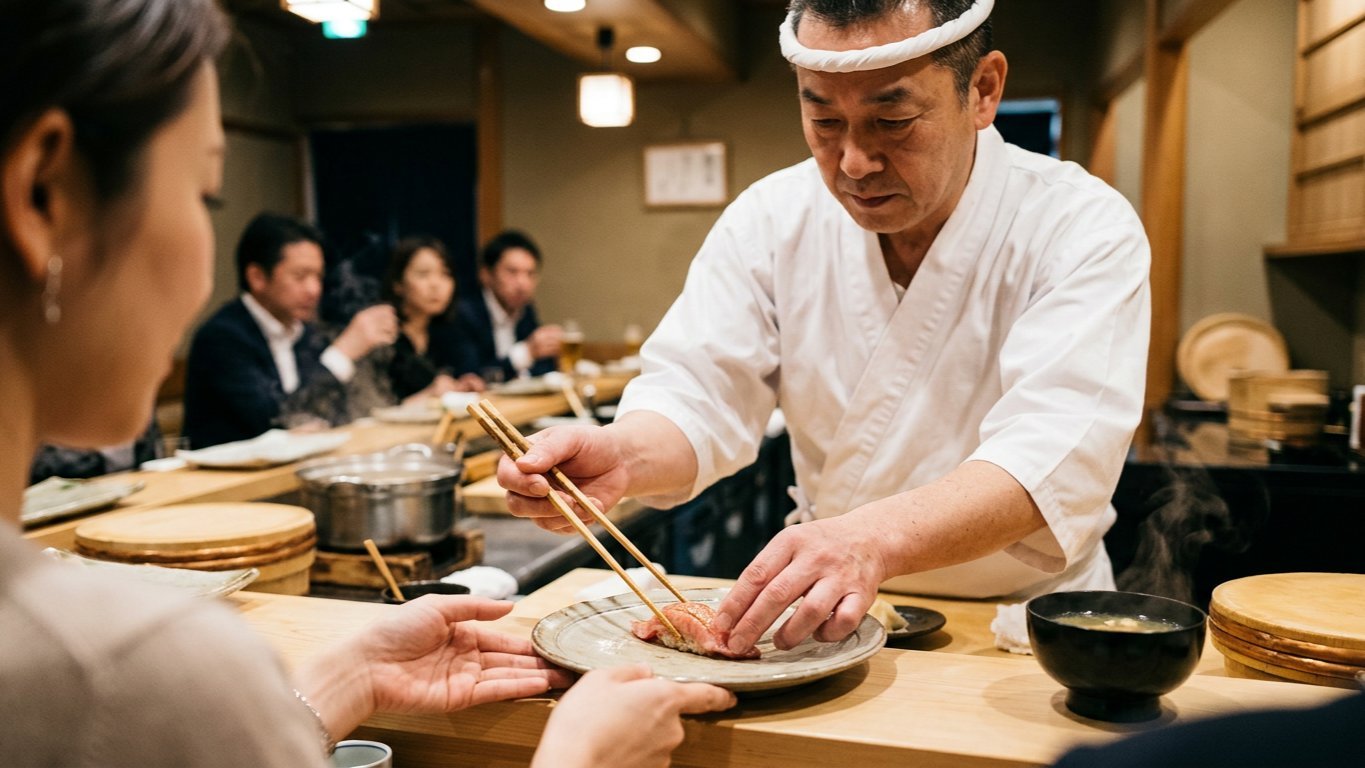
- The 30-Second Rule: Consume each piece of nigiri sushi within 10 to 30 seconds of the chef placing it on your serving board. The chef shapes the rice at precise body temperature, and letting it sit warms the fish while drying out the rice texture.
- Eat in One Single Bite: Do not bite a piece of nigiri in half or pull the fish off the top of the rice. Each piece is meticulously constructed to deliver a perfectly balanced ratio of fish, wasabi, and rice in one mouthful.
- Hands or Chopsticks: Both methods are completely acceptable in modern dining. Using clean fingers is often preferred by traditionalists because it keeps the delicate, loosely packed rice from breaking apart before it reaches your mouth.
Navigating Seasoning and Condiments Corretly
One of the most common mistakes made by first-time diners is misusing the dipping sauces provided at the counter.
- Do Not Add Extra Soy Sauce: In premium omakase settings, the chef pre-seasons every single piece of sushi using a specialized brushed soy sauce (nikiri) or sea salt. Adding extra soy sauce insults the chef's seasoning balance.
- Keep Wasabi Out of the Sauce: Never dissolve clumps of green wasabi paste directly into a soy sauce dish. If you prefer a sharper heat profile, politely ask the chef for extra wasabi to place directly on top of the fish.
- Use Ginger as a Palate Cleanser: The pickled ginger slices (gari) on your board are not meant to be eaten as a sushi topping. Eat a single slice between different fish courses to clear your palate before the next flavor profile arrives.
 What to Expect Across the Multi-Course Flow
A standard premium omakase menu generally features 15 to 20 distinct items served in a calculated sequence designed to build intensity on your palate.
- Zensai (Appetizers): Light, seasonal starters like cooked seasonal vegetables, savory dashi broths, or chawanmushi to wake up the stomach.
- Sashimi: Pristine slices of raw fish served without rice, focusing purely on the clean texture and natural fat profile of the seafood.
- Light Nigiri: The sushi course begins with delicate, clean white-fleshed fish (shiromi) such as sea bream or flounder.
- Rich Nigiri: The flavor profile transitions into heavier, oilier selections, featuring medium-fatty tuna (chu-toro), premium fatty tuna (o-toro), and rich sea urchin (uni).
- Closing Elements: The savory portion ends with a sweet egg omelet (tamago) and a warm miso soup, followed by a simple seasonal fruit or light matcha dessert.
Booking and Ingredient Preparation Strategies
Securing a seat at a top-tier sushi counter requires early preparation due to limited seating and specialized ingredient shipping routes.
- Book Weeks in Advance: Most premium counters only seat 8 to 12 guests per session. Make your reservations early to ensure the restaurant can secure ingredients directly from Tokyo markets.
- Declare Allergies Early: Inform the staff of any strict dietary restrictions or severe shellfish allergies during the initial booking process. Do not wait until you sit down, as the chef curates the precise ingredient volumes days in advance.
- Remove Heavy Accessories: Take off bulky metal watches or heavy bracelets before resting your hands on the counter. Most premium omakase bars are built from expensive, unprotected Hinoki wood that scratches easily.