Food
Charcoal vs. Gas: The Secret to Authentic Penang Char Kuey Teow
By ExFunCity · 25 May 2026
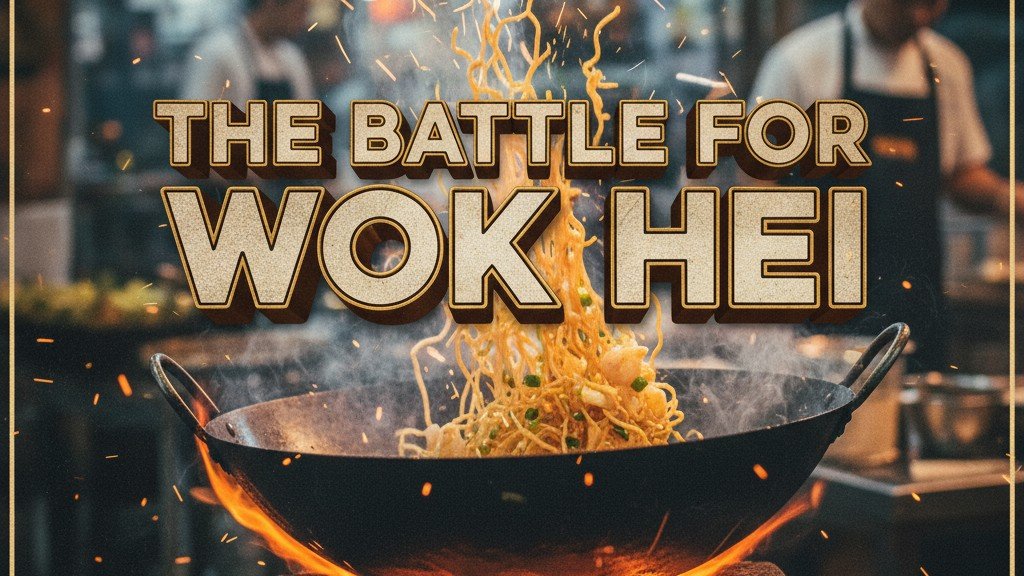
TL;DR — Explore the intense debate over cooking methods for Penang Char Kuey Teow. Learn why Wok Hei is the secret ingredient and if your home stove can compete.
 Charcoal vs. Gas: The Secret to Authentic Penang Char Kuey Teow
For any true food enthusiast, the mention of Penang Char Kuey Teow (CKT) is enough to spark a spirited debate. At the heart of this discussion is one elusive quality: Wok Hei. Literally translating to "breath of the wok," this smoky, charred aroma is the hallmark of a masterfully stir-fried plate of noodles. But how much of that signature taste comes from the heat source itself?
The Power of Wok Hei
Wok Hei is the result of a chemical reaction that occurs when food is stir-fried at extremely high temperatures. When soy sauce hits a scorching hot wok, it vaporizes, coating the ingredients in a smoky, caramelized glaze. This is what separates a mediocre bowl of noodles from a legendary hawker dish. Achieving this requires not just skill, but immense heat intensity that many modern home stoves simply cannot replicate.
Charcoal Fire: The Traditional Gold Standard
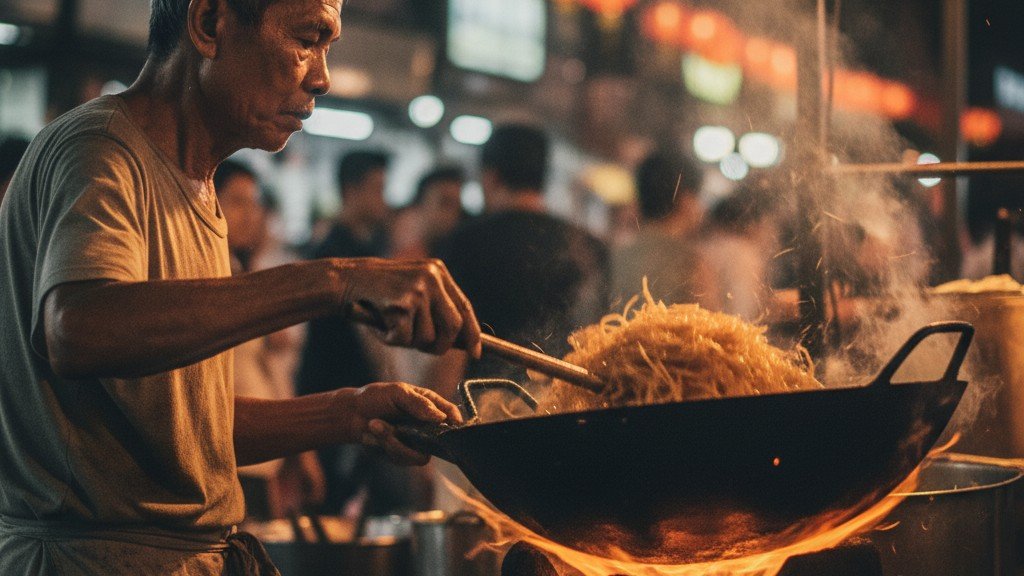
Many purists insist that the only way to achieve authentic CKT is over a charcoal fire. Charcoal provides a consistent, intense, and radiating heat that permeates the metal of the wok, creating a deep, complex smokiness. Because charcoal emits infrared radiation, it ensures even heat distribution, allowing the noodles to brown without becoming soft or mushy. It is the traditional method used by legendary street hawkers for generations.
 The Case for the Gas Stove
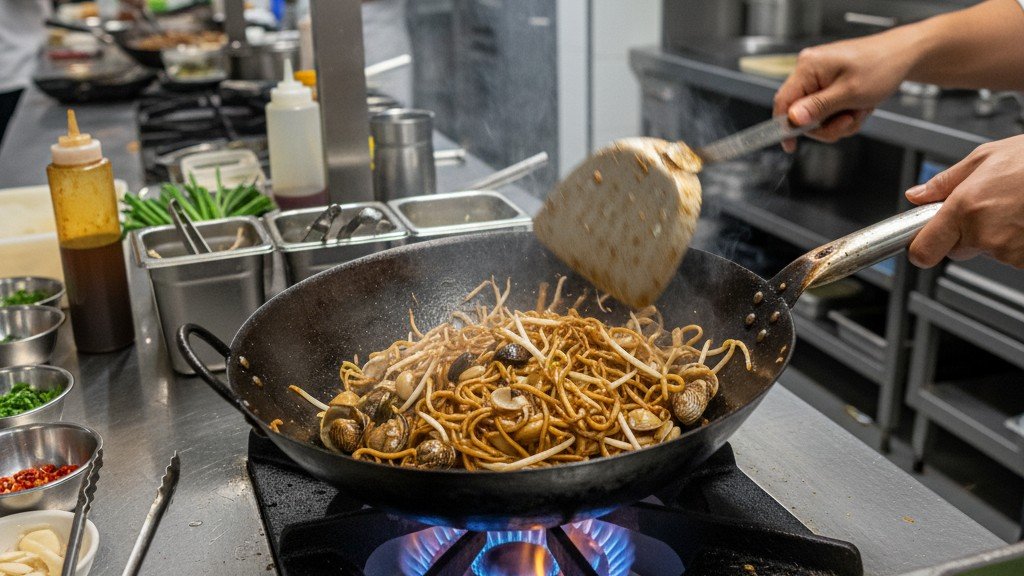
In the modern era, high-powered gas burners have become the industry standard in commercial kitchens. When comparing the two, gas is:
- Controllable: Allows chefs to instantly adjust heat intensity to prevent burning delicate ingredients like bean sprouts.
- Clean: Produces less soot, making it a more hygienic option for indoor dining environments.
- Consistent: Unlike charcoal, which requires constant tending, gas provides a steady, reliable flame for consistent batch cooking.
- Many modern hawkers argue that the flavor difference is minimal if the chef knows how to manage the heat and timing correctly.
How to Recreate the Experience at Home
While you may not have a commercial-grade charcoal pit at home, you can still chase the spirit of CKT. Focus on these techniques:
- Small Batches: Cook one portion at a time to ensure the wok stays hot enough to sear, not steam, the noodles.
- Cast Iron Woks: Use a well-seasoned, lightweight cast iron wok that retains heat better than stainless steel or non-stick pans.
- High-Heat Pre-heating: Get your wok smoking hot before adding any oil or ingredients.
- Timing: Keep your ingredients prepared and ready to go; once the heat is on, the process happens in under two minutes.
Is Authenticity Defined by the Fuel?
At the end of the day, the debate between charcoal and gas is secondary to the quality of the ingredients. Fresh cockles, crunchy bean sprouts, and the right Penang Char Kuey Teow sauce play a much larger role in the final result. Whether it is cooked over glowing embers or a roaring blue flame, the best CKT is the one that tastes like a labor of love.